SpaRator

Treatments

Spa Facilities

Wellness Programs

Staff & Service

Experience

Value for Money
Property facilities
- Full-service spa
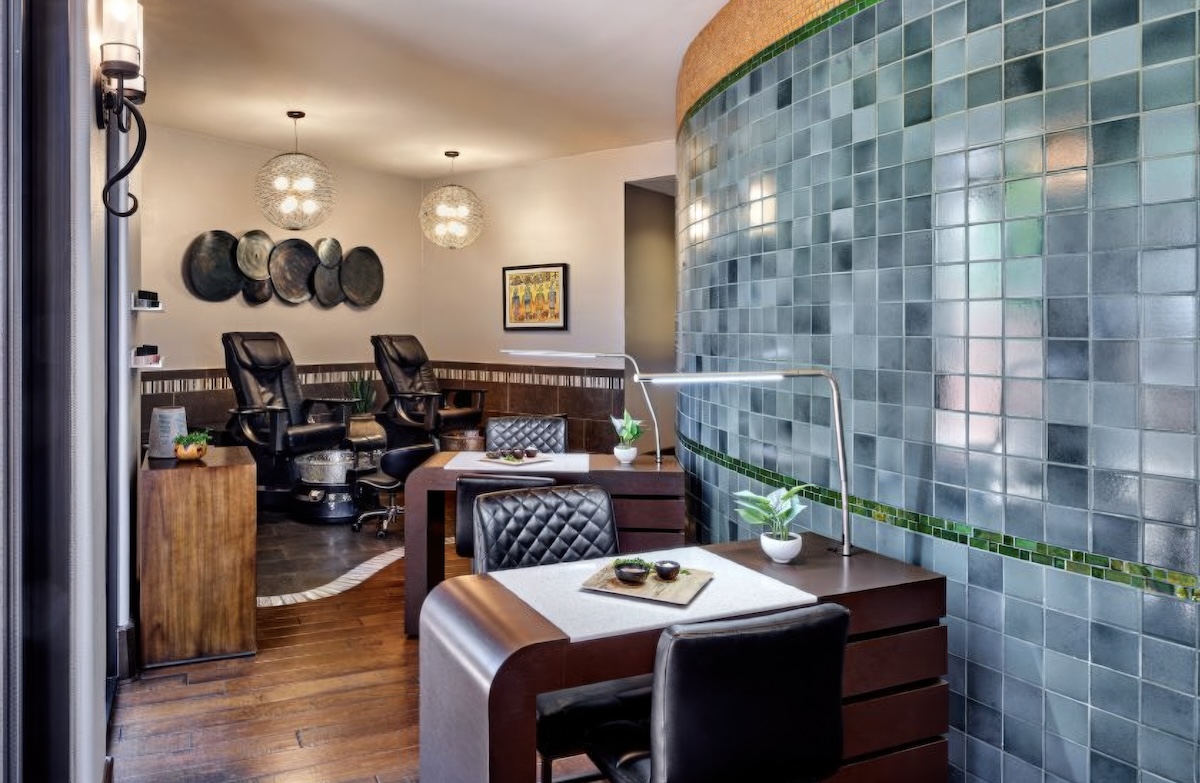
- Beauty Services
- Couples treatments
- Fitness center
- Hot tub/Jacuzzi
- Sauna
- Steam room
Other facilities
- Air Conditioning
- Bar
- Bike Rentals
- Business Center
- Casino
- Concierge Service
- Dry Cleaning
- Free Parking
- Garden Areas
- Golf
- Hiking
- Kids Club
- Restaurant
- Tennis
- Valet Parking
- Waterslide
- Watsu Aquatic Therapy
- WIFI
Pricing & Availability






The Spa Experience at Sheraton Grand at Wild Horse Pass
The Sheraton Grand at Wild Horse Pass sits on the sovereign land of the Gila River Indian Community, 17 miles south of Phoenix Sky Harbor.
The architecture, the lobby murals, the spa treatments, the restaurant, the storytelling events, the equestrian program: each exists in direct relationship with the Pima (Akimel O’otham) and Maricopa (Pee Posh) tribal nations whose land this is and whose heritage the resort was built to honour.
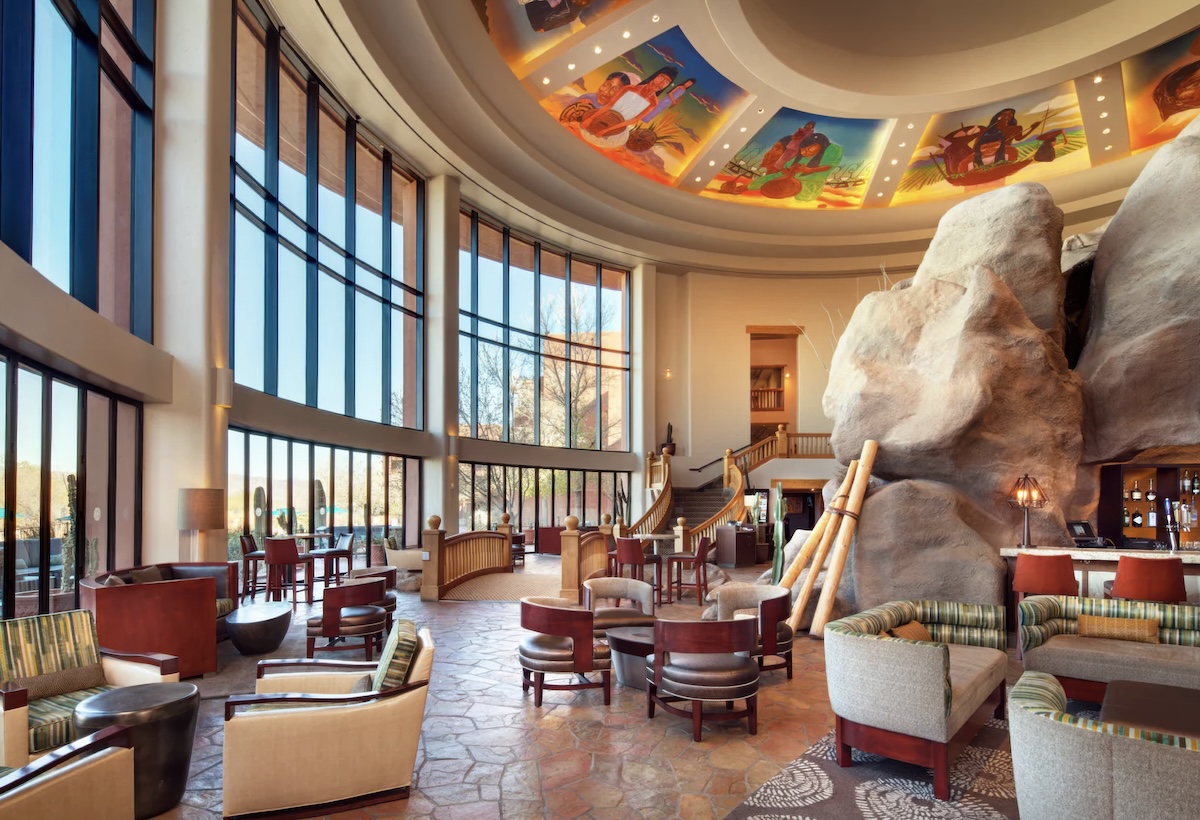
The 10-panel domed mural by artist Mike Medicine Horse Zillioux above the lobby — depicting pottery-making, basket-weaving, and tribal traditions — is the most arresting hotel ceiling in Arizona. It sets the register for what follows.
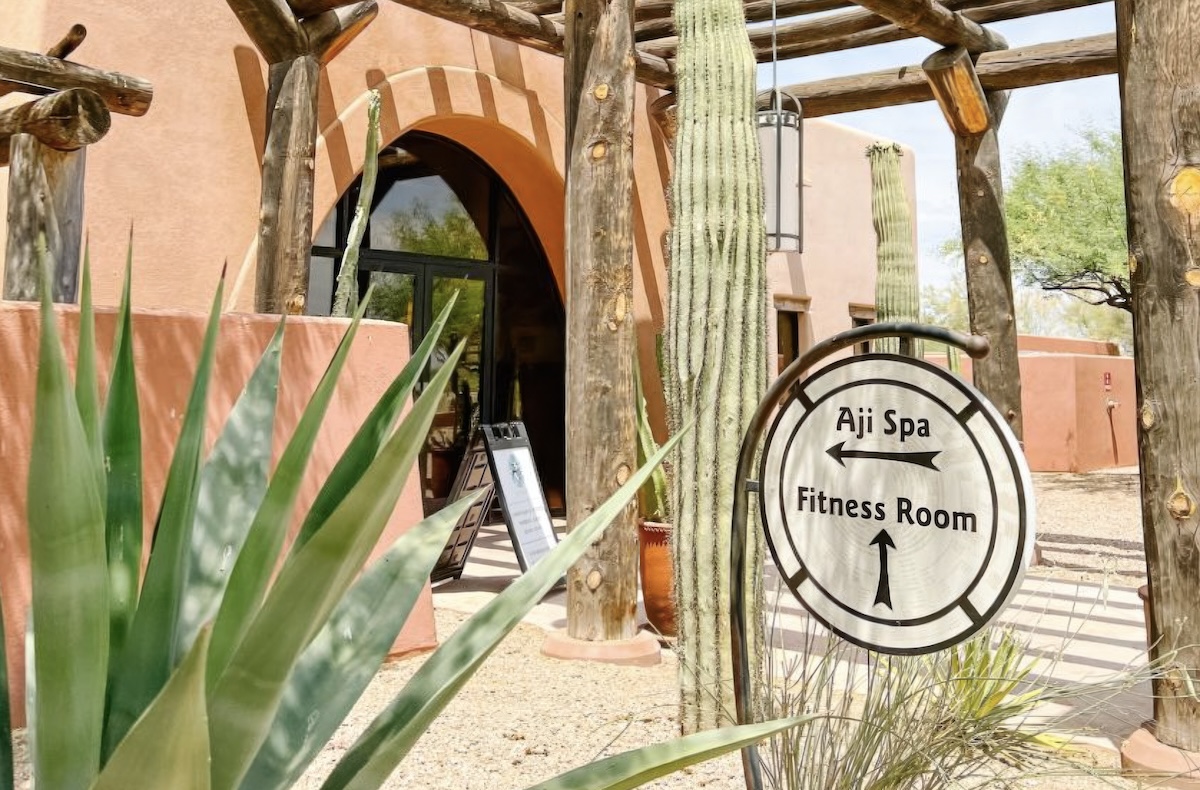
Aji Spa
Aji means “sanctuary” in the Pima language. The 17,500 sq ft spa earned its Forbes Five-Star designation for the seventh consecutive year as of 2026 — the only Native American spa in Arizona to hold this award. Treatments are developed directly with tribal elders, ensuring that what happens in the treatment rooms reflects actual Pima and Maricopa healing doctrine rather than generic Southwest aesthetics.
The Blue Coyote Wrap draws from Pima tribal legend, using blue mud, steam, and cedar-sage oil in a sequence that tells a story as it treats. THOACHTA (Healing) combines traditional massage, polarity, and ancient Pima healing doctrine into a nearly two-hour session — firsthand accounts describe therapist Belen Stoneman’s ability to read the body and provide post-treatment spiritual guidance as one of the more extraordinary spa experiences available in Arizona. White clay, Shegoi (creosote), and Gila River river rocks complete the indigenous material palette.
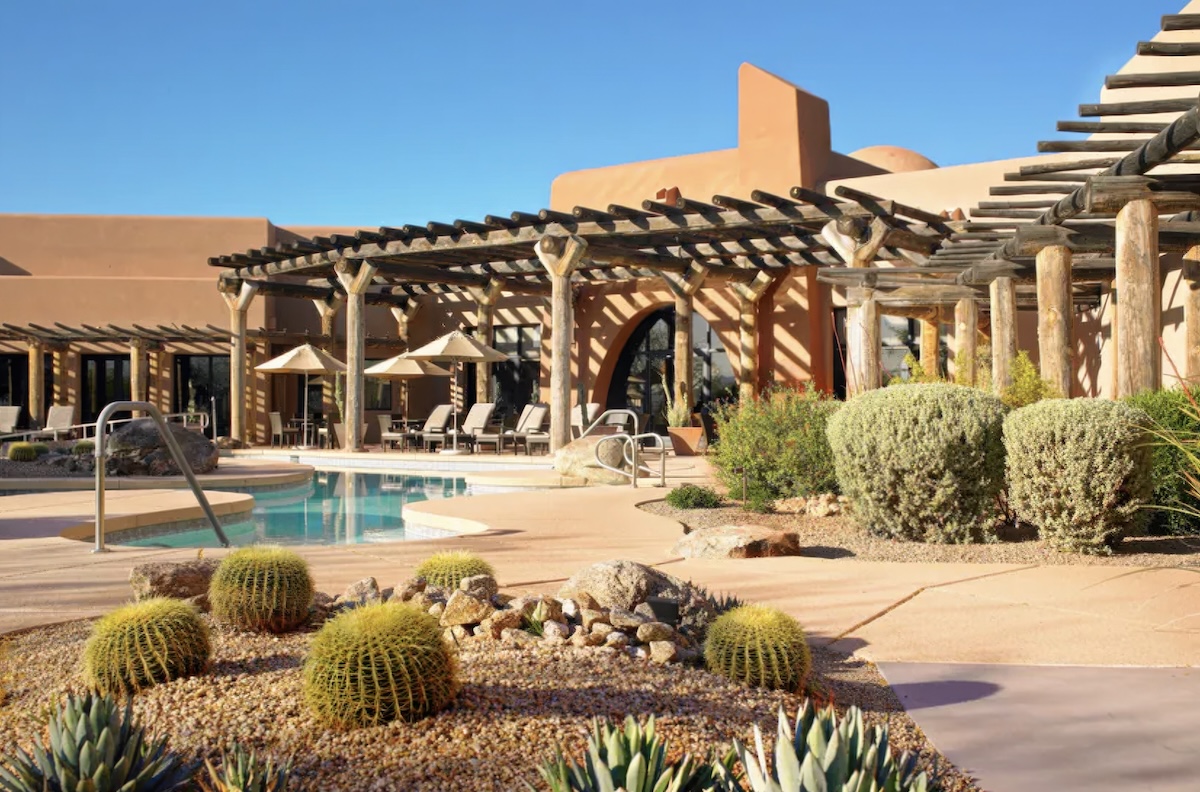
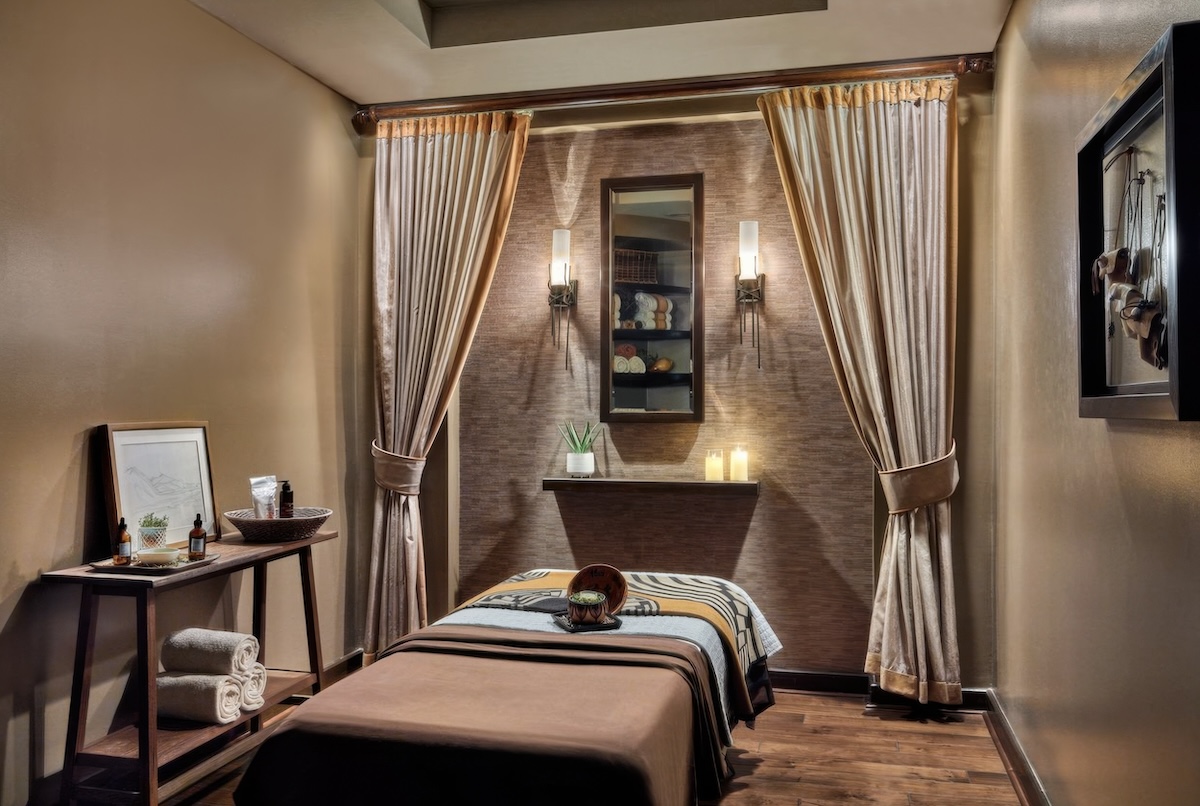
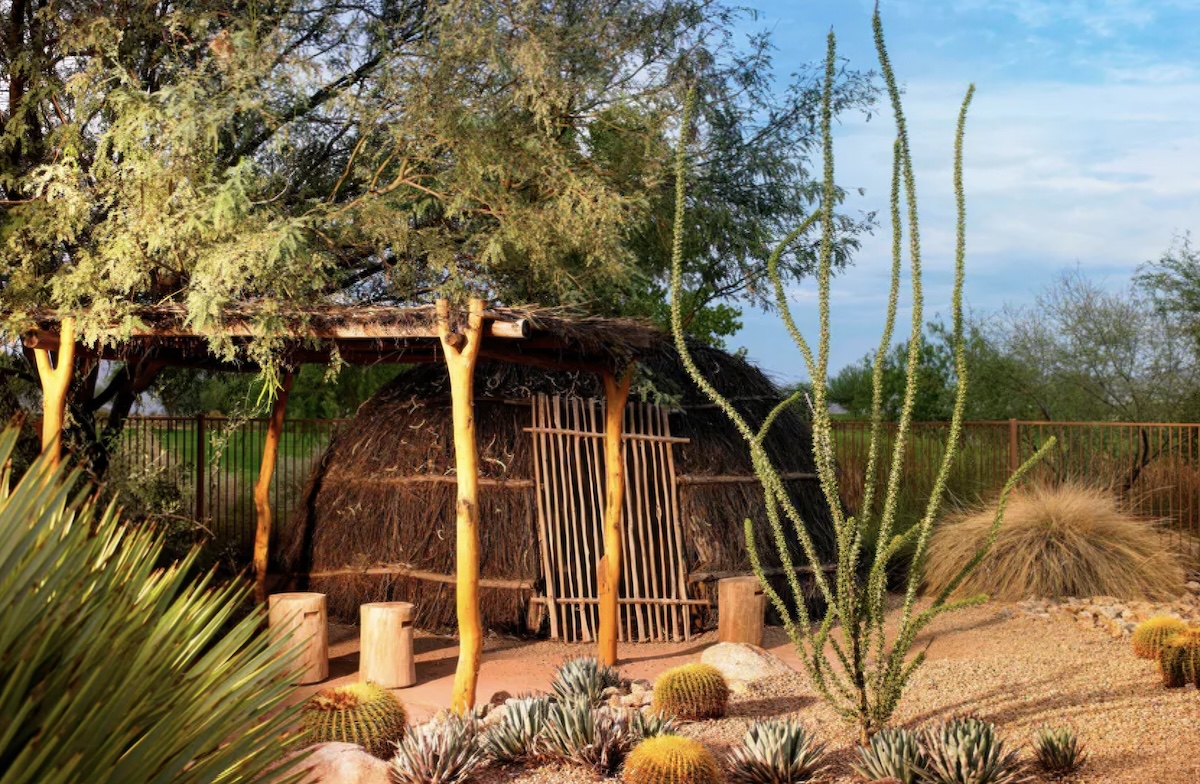
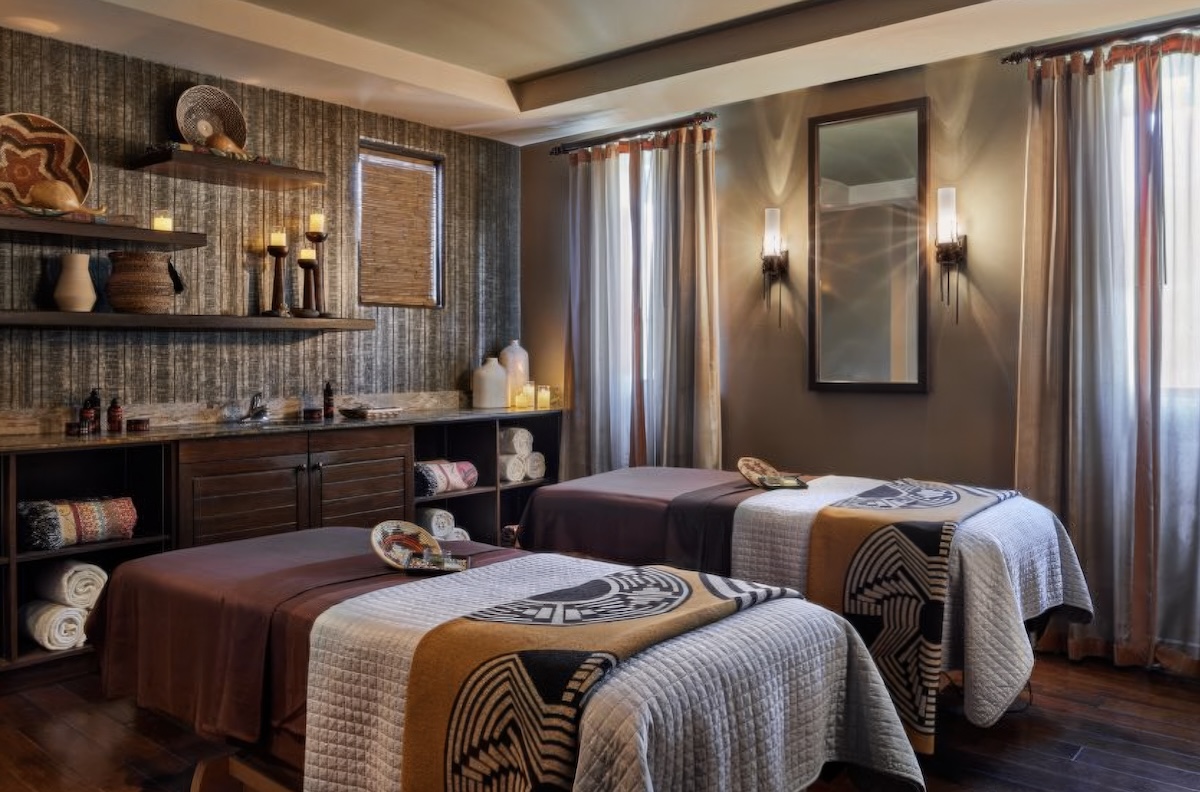
Facilities: 17 treatment rooms, a traditional Native American roundhouse for meditation, a Watsu aquatic therapy pool (unavailable at any other Phoenix resort in this comparison), and an adults-only serenity pool exclusive to spa guests. Separate locker rooms house two dry saunas each, steam rooms, and indoor/outdoor whirlpools. Aji Café serves spa guests exclusively. The $40 day pass grants full facility access without a treatment booking. Spa hours: Monday–Sunday, 9 am–5 pm.
The Hotel & Location
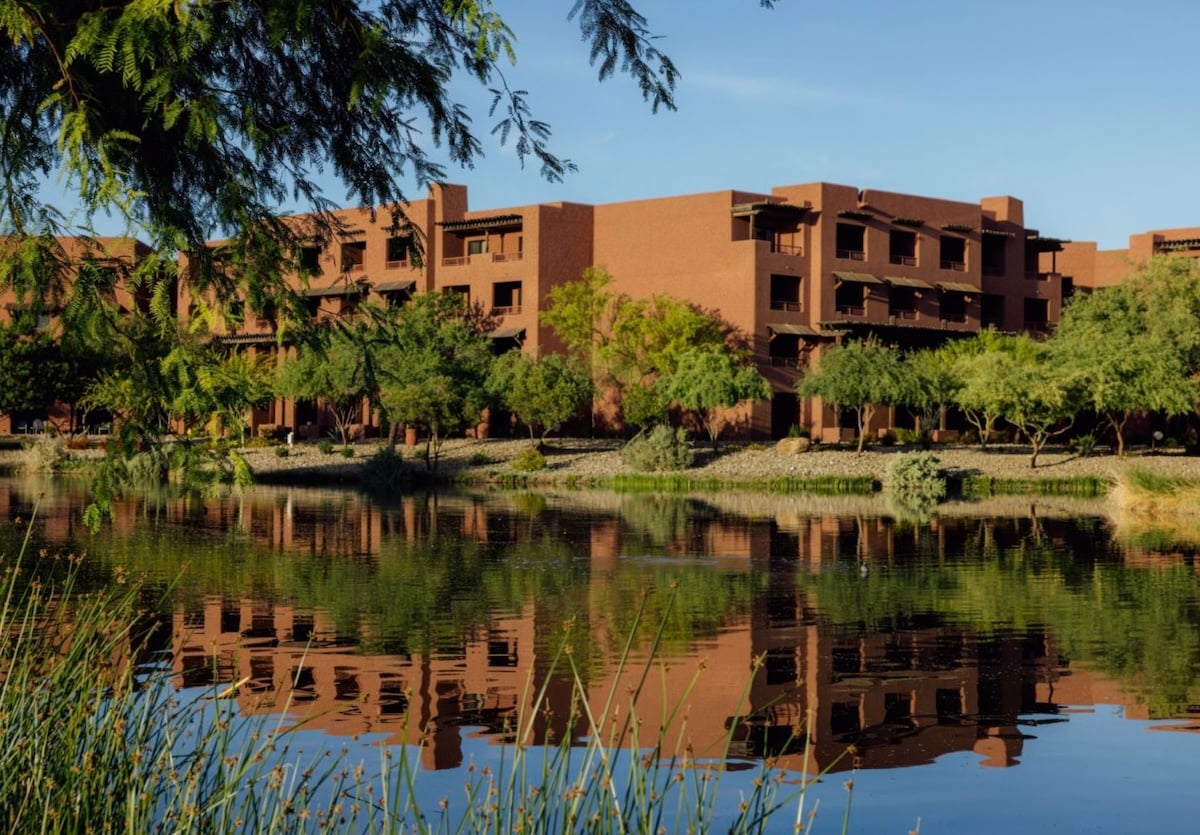
Five hundred rooms spread across low-rise buildings that respect the desert floor, each with a private balcony offering unobstructed views of the Sonoran Desert and the mountains. Marble bathrooms with separate soaking tubs and rainfall showers are standard.
The resort’s distance from anything — no walkable shopping, limited off-property dining — is the trade for genuine desert immersion. Kai Restaurant compensates: Arizona’s only property holding both AAA Five Diamond and Forbes Five Star simultaneously, its Native American-inspired menu using indigenous ingredients with contemporary French technique is a destination dining experience few resort restaurants in any market can match.
Ko’Sin handles casual all-day dining; Aji Café serves spa guests; Link Café runs Starbucks coffee and pastries; the Lobby Bar anchors evenings.
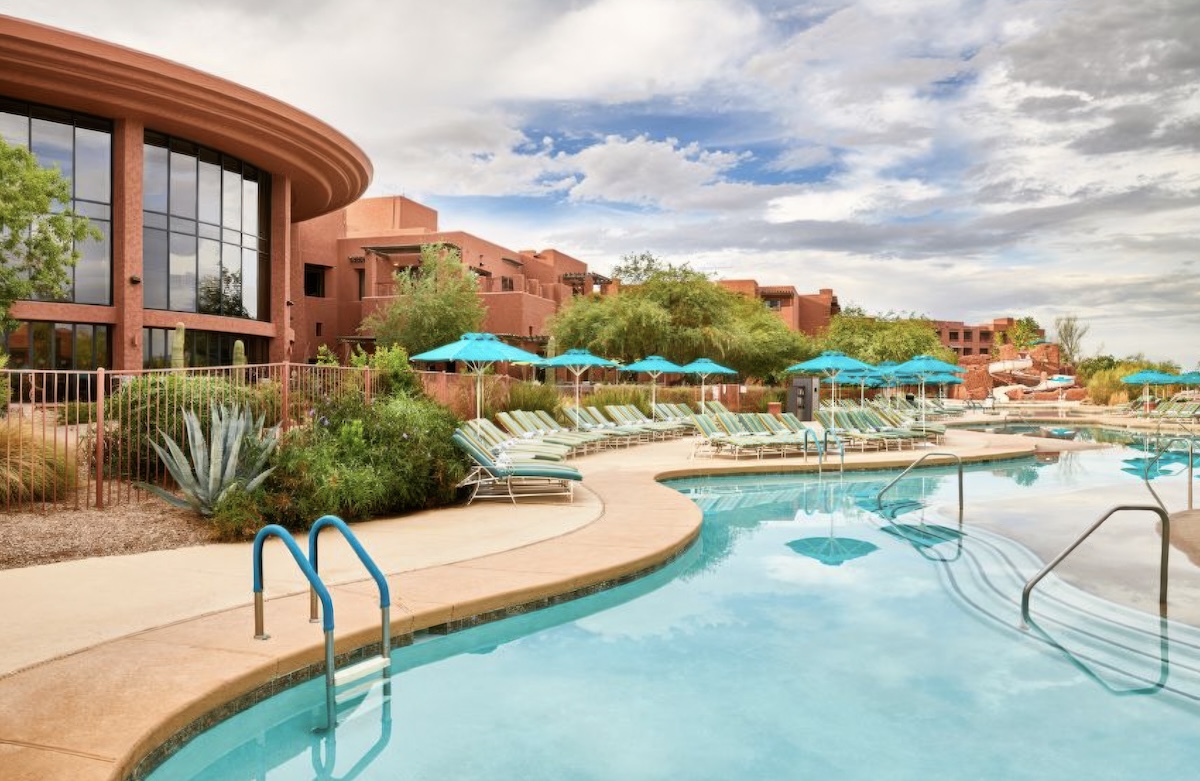
Four pools, a 111-foot waterslide (designed after the ancient Casa Grande Ruins), Whirlwind Golf Club (two Troon-managed 18-hole courses), and KOLI Equestrian Center complete the resort footprint.
Who’s It For
Travellers for whom authentic cultural immersion is the primary purpose, not as a backdrop but as the entire reason. Couples wanting Forbes Five-Star spa quality alongside Arizona’s finest restaurant, in a setting no urban resort can replicate. Golfers who want two Troon-managed championship courses with desert vistas at a price point well below Scottsdale’s top tier. Families who want genuine cultural programming for children alongside pools and a waterslide. Marriott Bonvoy members who want points on a Forbes Five-Star stay.
Who’s It Not For
Guests who need walkable dining and entertainment options — the tribal land location means you are on the property, or you are driving. Anyone who finds a 500-room resort too large and institutional for a spa-focused stay; the scale is resort, not boutique. Travellers expecting tight room condition consistency — housekeeping quality varies, and the property’s age shows in some areas despite ongoing renovation.
Is It Worth the Price
At $250–450 peak with no resort fee, Wild Horse Pass undercuts The Phoenician ($500+) and Sanctuary ($400+) while delivering a comparable Forbes Five-Star spa and a categorically superior restaurant. The value case is the strongest in the Phoenix upper tier. Summer ($180–320) approaches the best resort spa value in Arizona: the treatments, the Watsu pool, the serenity pool circuit, and Kai Restaurant at off-season rates are a combination that requires real effort to beat anywhere in the Southwest.
Pros and Cons
Pros: Forbes Five-Star spa seventh consecutive year; Arizona’s only Native American Forbes Five-Star spa; Watsu pool (unique in this comparison); double sauna/steam locker room circuit; adults-only serenity pool; tribal elder-developed treatment protocols; Kai Restaurant — Arizona’s only AAA Five Diamond/Forbes Five Star restaurant; $40 spa day pass for facility access; no formal resort fee; two Troon-managed golf courses; KOLI Equestrian Center; authentic cultural programming; free WiFi for Bonvoy members; genuine sovereign land desert immersion.
Cons: Remote location, 17 miles south of Phoenix — limited off-property dining and entertainment; room housekeeping inconsistency documented across platforms; $12/day in-room WiFi for non-Bonvoy members; property scale (500 rooms) means long walks between some buildings and amenities; Kai Restaurant requires advance booking and represents premium spend; casino adjacency not universally welcome; summer temperatures exceed 110°F limiting midday outdoor activities.
Best Alternatives
The Global Ambassador (SpaRator 8.9) — for guests who want the most technologically advanced spa treatments in a boutique urban hotel with five dining concepts, closer to central Phoenix
Castle Hot Springs (SpaRator 8.5) — for guests who want genuine wilderness seclusion with natural geothermal hot springs, at significantly higher price points
Arizona Biltmore (SpaRator 8.2) — for guests who want historic resort atmosphere, Sol Garden contrast bathing, and closer Camelback Mountain proximity at similar pricing
Booking Strategy
Book direct via marriott.com to access Bonvoy benefits: complimentary in-room WiFi, rate guarantees, and points on what will likely be a premium spend. Request a room facing the Sonoran Desert — all 500 rooms have balconies, but the unobstructed desert vista is the room’s defining feature. Make Kai Restaurant reservations at the same time as room booking; January through April availability is limited, and the restaurant is dinner-only. Book Aji Spa treatments through the dedicated spa concierge at (602) 385-5759 (available 9am–4pm daily) — the THOACHTA Healing and Blue Coyote Wrap book out weeks ahead during peak season. Request Belen Stoneman specifically for THOACHTA if spiritual healing work is the intention.
Best Room Types
Casita-style rooms with desert-facing balconies for the full spatial experience — the unobstructed Sonoran Desert views from the private balcony are the room’s main event. Standard rooms are generous throughout the property (Native American motif, marble bathroom, separate soaking tub, rainfall shower). Suites add expanded living space and upgraded balcony access. Request a building close to Aji Spa if the spa is your primary focus — the property is expansive enough that proximity matters.
When to Go
October through December for ideal desert conditions: comfortable temperatures, post-golf-course-overseeding season, and pre-peak pricing. January–April for peak Sonoran Desert weather and the most vibrant resort atmosphere — book everything in advance. June–August for the best value proposition in the Phoenix luxury market: full spa and resort access, Kai at summer rates, and empty golf courses in the morning before the heat arrives. The Sonoran Desert sunsets are spectacular year-round from the property’s position.
Best Spa Days
Begin with 30 minutes in the locker room circuit — sauna, indoor whirlpool, and steam room — before your treatment. Book the Blue Coyote Wrap if you’re coming for the first time and want the treatment that most completely encapsulates what Aji Spa does. THOACHTA Healing (request Belen Stoneman) for a spa day built around emotional and spiritual as well as physical renewal. The Watsu pool session is the most experientially distinctive single treatment available in Phoenix — aquatic bodywork in thermal water, weightless, with Camelback-style desert framing. Close with Aji Café post-treatment, then the serenity pool for the afternoon. If budget allows, book Kai for dinner the same evening — the combination of Aji Spa afternoon and Kai dinner is the most complete luxury day the Phoenix resort market offers.
See less

Average Guest Reviews
No Review Available
No Review Available
Location
Guest Experiences
Frequently Asked Questions:
What makes Aji Spa unique from other Arizona spas?
Aji Spa treatments are developed directly with Pima and Maricopa tribal elders, ensuring authentic indigenous healing practices rather than generic "Native-inspired" programming. The Blue Coyote Wrap draws from actual Pima tribal legend, using blue mud, steam, and cedar-sage oil. All treatments incorporate materials from the Gila River Indian Community: white clay, Shegoi (creosote), river rocks from the Gila River, and locally grown botanicals. The traditional roundhouse provides an authentic meditation space. Cultural storytelling throughout services creates an immersive experience unavailable elsewhere.
Is spa access included for hotel guests?
No. Individual spa treatments require separate booking and payment. However, guests can purchase a spa pass ($40/week), providing access to the serenity pool, locker facilities (dry saunas, steam rooms, whirlpools), and exercise classes—valuable for multi-day stays. The adults-only serenity pool, locker amenities, and Aji Café remain exclusive to spa guests with appointments or passes. Hotel guests access the four main resort pools, 111-foot waterslide, and fitness center without additional fees.
How remote is the property and what does that mean for dining?
The resort sits on Gila River Indian Community tribal land, 17 miles south of downtown Phoenix. The isolation provides authentic desert immersion and stunning mountain/desert vistas from all 500 rooms but creates dining challenges. On-property options include Kai (AAA Five Diamond, $200+ for two, reservations essential), Ko'Sin (casual, $100-$125 for two with wine), Hanyo at the River, Link Café, and lobby bar. Reviews consistently note high pricing and occasional service lapses. The adjacent Wild Horse Pass Casino offers more affordable alternatives. Guests seeking diverse dining should plan to drive off-property—Chandler Fashion Center and Phoenix Premium Outlets sit nearby.
What is Kai Restaurant and how difficult is it to book?
Kai ("seed" in Pima language) holds Arizona's only AAA Five Diamond and Forbes Five Star designation. The menu features Native American-inspired haute cuisine, using indigenous ingredients and contemporary French techniques. Reservations are booked weeks in advance, particularly from January through April. The restaurant operates dinner service only. For a guaranteed Kai experience, call directly or book through the hotel concierge before arrival.
Does the property accommodate families or couples better?
Both have distinct programming. Families appreciate the 111-foot waterslide, four heated pools, Adventure Club (movie nights, cultural activities), Quail Kids Day Camp (ages 5-12 with rock climbing, crafts, outdoor activities), equestrian center hayrides, and "Stories and Song" cultural events at Akimel Island Cultural Village. Couples favor Aji Spa (adults-only facilities), Kai fine dining, golf, and cultural immersion through artwork, storytelling, and the integration of tribal heritage. The 500-room scale accommodates both without overcrowding. Reviews from families and couples both report high satisfaction.
What cultural experiences are available?
The resort celebrates Pima (Akimel O'otham) and Maricopa (Pee Posh) heritage throughout. The lobby features a 10-panel domed mural by Mike Medicine Horse Zillioux depicting pottery-making, basket-weaving, and tribal traditions. "Stories and Song: Echoes of Our Ancestors" events at Akimel Island Cultural Village feature tribal members sharing personal stories and heritage around outdoor fire pits, often concluding with marshmallow roasting. The Interpretive Trail offers walking access to the desert landscape and includes cultural signage. All treatments at Aji Spa integrate tribal history and healing traditions. The architecture, room artwork, and design elements authentically represent the Gila River Indian Community rather than generic Southwest décor.
How do the golf facilities compare to other Phoenix resorts?
Whirlwind Golf Club features two 18-hole Troon-managed championship courses ranked among Golf Digest's "Best You Can Play in Arizona." The courses offer desert vistas and challenging obstacles unique to the Sonoran Desert. Green fees and access compare favorably with those at Scottsdale resort courses. The golf clubhouse provides full amenities. Unlike some resort courses (Arizona Grand's miniature golf, Hilton Peak's executive course), Whirlwind offers legitimate championship-level play. The courses integrate into the tribal land setting, creating a distinctive playing experience unavailable at urban Phoenix properties.
What's the waterslide and pool situation?
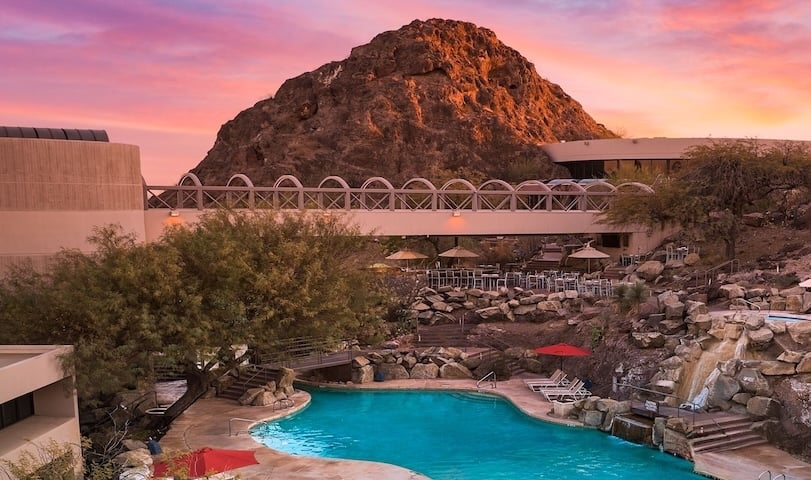
Four heated outdoor pools include a 111-foot waterslide—one of the longest among Phoenix-area resorts. The pools feature cascading waterfalls and a desert mountain backdrop. Poolside bar service provides drinks and food, though reviews note occasional slow service during peak periods. The waterslide operates upon request during daylight hours. Pool towel availability has drawn complaints in older reviews. The separate adults-only serenity pool at Aji Spa (for spa guests only) offers a tranquil alternative. All resort pools remain heated year-round.
How does the property size affect the guest experience?
The resort sprawls across extensive acreage, with 500 rooms arranged in low-rise buildings that respect the desert landscape. Reviews consistently mention long walks between rooms and facilities—some guests report a "full mile" from certain rooms to conference spaces. Shuttle service operates between major areas. The scale provides privacy and authentic desert immersion but may frustrate mobility-limited guests or those expecting compact layouts. Valet parking ($22/day) is essential given the distance from the parking to the rooms. Request a room near the desired amenities when booking.
What maintenance and housekeeping issues should I know about?
Reviews present mixed feedback on room condition and housekeeping consistency. Some guests report immaculate rooms with excellent service; others note dusty surfaces, drainage issues, dated bathrooms, flat pillows, and missed housekeeping. The property opened decades ago and shows age in certain areas despite renovations. Management responses acknowledge concerns and promise improvements. Recent reviews (2024-2025) show better consistency than older reviews. The Forbes Five-Star Aji Spa maintains higher standards than hotel rooms. Set clear housekeeping expectations with front desk upon check-in.
Are there hidden fees or resort charges?
Valet parking costs $22/day (self-parking available but requires longer walk). In-room WiFi incurs $12/day charge for non-meeting guests (free in public areas). Marriott Bonvoy members receive complimentary in-room WiFi when booking direct. The spa pass runs $40/week for facilities access. Some reviews mention unexpected daily maid service charges and concierge fees—clarify all charges at check-in. Kai reservations require credit card guarantee; parties of 6+ may incur cancellation fees. No formal resort fee structure like some competitors.
Can locals access Aji Spa without staying overnight?
Yes. Aji Spa welcomes local Phoenix/Scottsdale/Chandler residents for spa appointments. Spa guests receive day-use access to resort amenities: fitness center, heated pools, mountainside hot tubs with cascading waterfalls, Aji Café (spa guests only). The $40 spa pass option works well for locals planning multiple treatments during a week. This positions Aji Spa as a day spa destination beyond hotel guest services. Advance reservations strongly recommended, especially for signature treatments developed with tribal elders.
How does this compare to Scottsdale luxury resorts?
Sheraton Grand at Wild Horse Pass trades Scottsdale urban accessibility for authentic cultural immersion and Forbes Five-Star spa credentials. Scottsdale resorts (Phoenician, Sanctuary Camelback Mountain, Four Seasons) are closer to shopping/dining/nightlife but lack the genuine integration of Native American heritage and a tribal land setting. Aji Spa's Forbes Five-Star designation matches The Phoenician's Centre for Well-Being and Royal Palms' Alvadora Spa. Kai's AAA Five Diamond/Forbes Five Star status surpasses most Scottsdale dining. The isolated tribal land location provides unique desert authenticity but requires planning for off-property activities. Best for travelers who prioritize cultural experiences and spa excellence over urban convenience.
What's the casino situation?
Wild Horse Pass Casino & Hotel (separate property) sits adjacent, operated by the Gila River Indian Community. A replica Gila River boat shuttle connects the resort to the casino. The casino offers slot machines, table games, bingo, sportsbook, and multiple restaurants at lower price points than resort dining. Reviews describe the casino as smoky but reasonably priced. It provides entertainment and an affordable dining alternative for resort guests. The casino hotel offers rooms at roughly half the Sheraton's rates—some reviews suggest staying there instead for budget-conscious travelers, though accommodations and amenities fall below Sheraton luxury standards.
What seasonal considerations affect visits?
Peak season (January-April) brings the highest rates ($250-$450/night), the warmest weather without summer heat (70s-80s°F), and the highest occupancy. Golf, pools, and outdoor cultural activities operate optimally. Kai Restaurant bookings become most competitive. Summer (June-August) offers significant savings ($180-$320/night), but temperatures exceed 110°F, limiting midday outdoor activities. The pools, waterslide, and spa remain fully operational. Fall (October-November) provides moderate temperatures and lower crowds—ideal for balancing weather, pricing, and availability. All pools stay heated year-round; the Sonoran Desert setting delivers stunning sunsets regardless of season.
What sets this property apart from competitors?
Three things distinguish Wild Horse Pass from every other resort in this Phoenix comparison. First, sovereignty: the resort sits on Gila River Indian Community tribal land, and that's not a design motif — it shapes the architecture, the dining, the spa philosophy, and the cultural programming at a fundamental level. Second, Aji Spa's Forbes Five-Star designation for seven consecutive years, with treatments developed directly with Pima and Maricopa tribal elders — the Blue Coyote Wrap, THOACHTA Healing, and white clay protocols aren't available anywhere else. Third, Kai Restaurant's Arizona-only AAA Five Diamond and Forbes Five Star combination. No other Phoenix or Scottsdale resort holds both designations simultaneously. The remote desert location is the trade-off; the cultural depth is the return.
Hotel People Love Most
Explore our editor's picks for must-visit spa hotels this season.
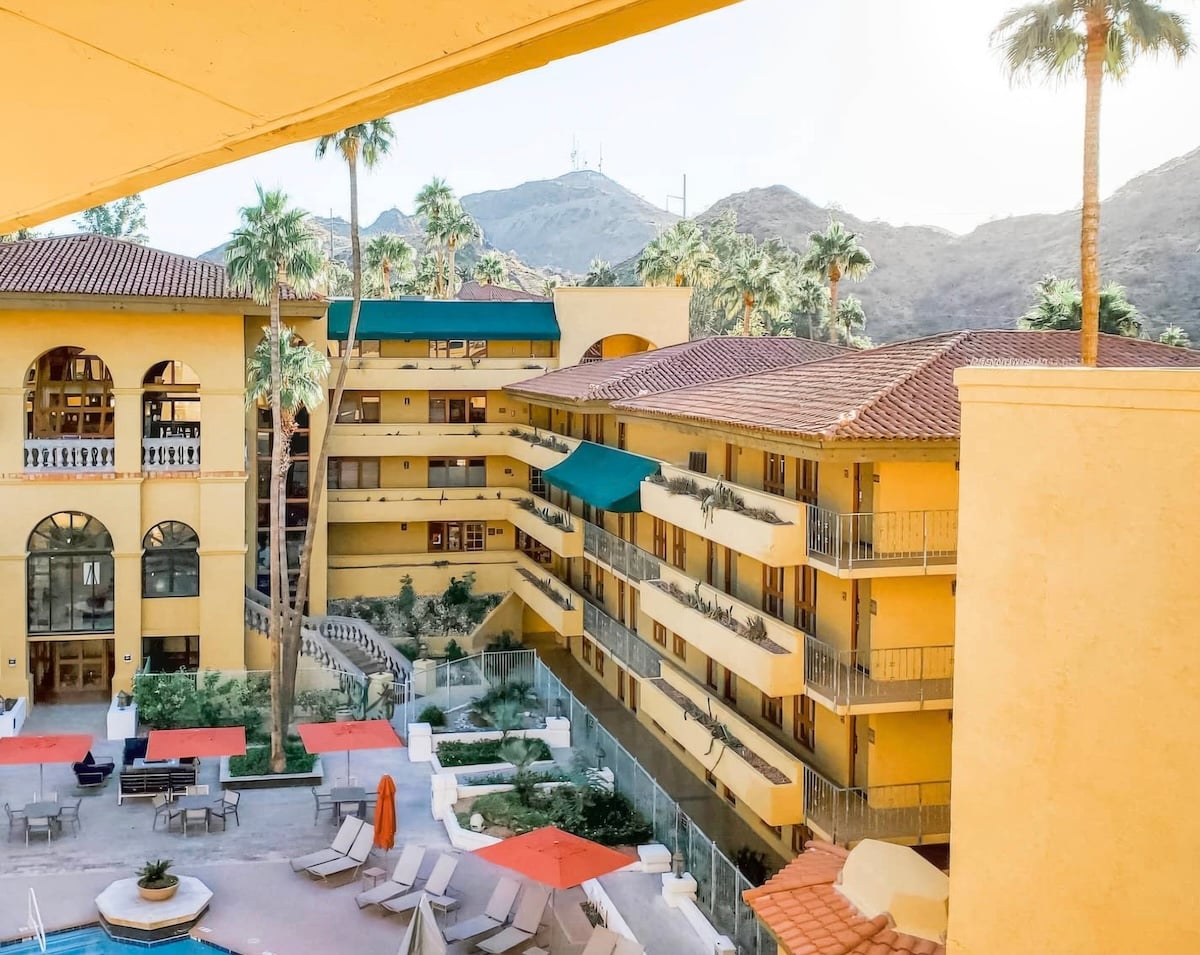
Hilton Phoenix Tapatio Cliffs Resort
Hilton Phoenix Tapatio Cliffs Resort, 11111 N 7th St, Phoenix, AZ 85020, USA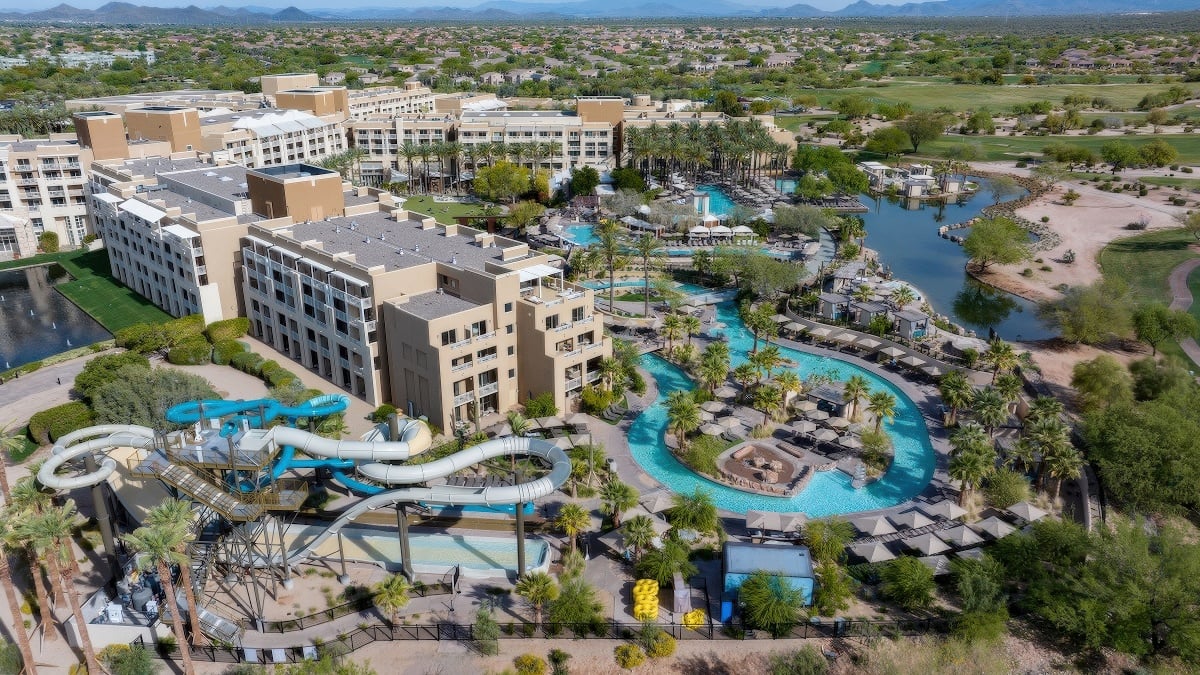
JW Marriott Phoenix Desert Ridge Resort & Spa
JW Marriott Phoenix Desert Ridge Resort & Spa, 5350 E Marriott Dr, Phoenix, AZ 85054, USA
Arizona Biltmore, LXR Hotels & Resorts
2400 E Missouri Ave, 2400 E Missouri Ave, Phoenix, AZ 85016, USA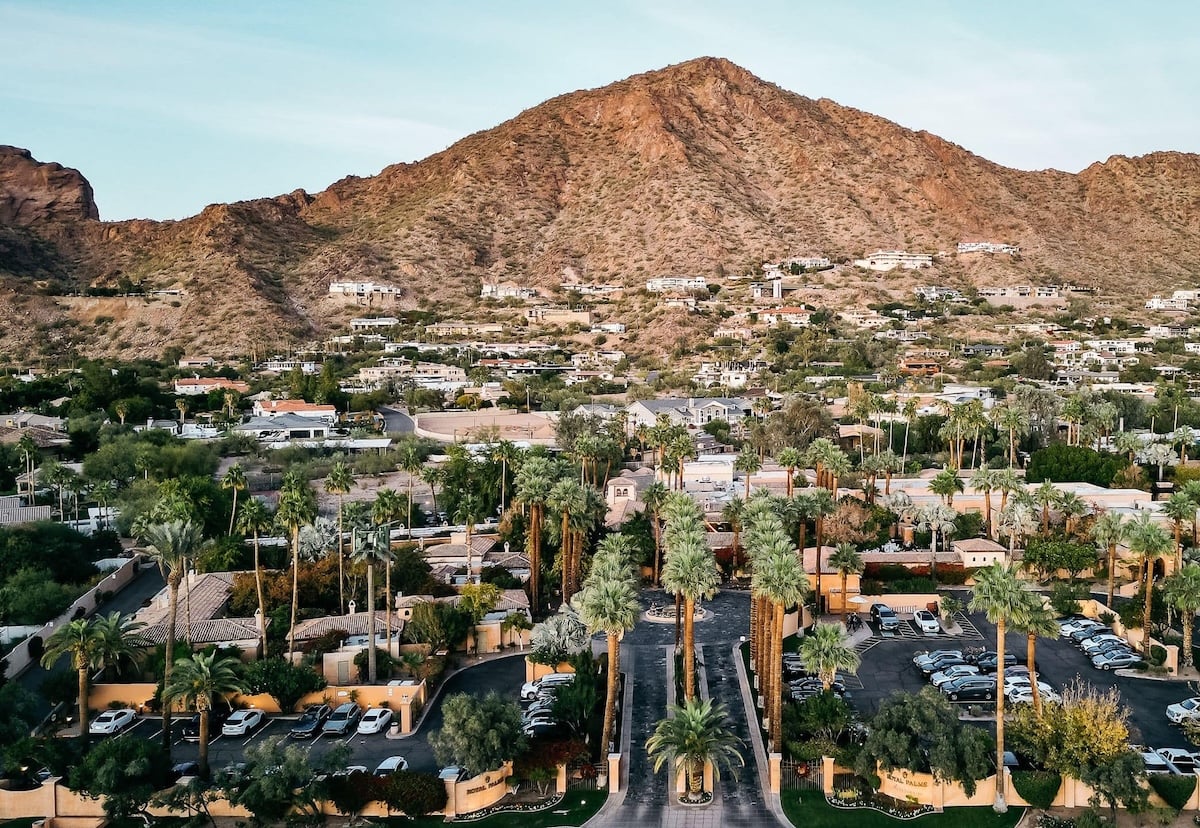
Royal Palms Resort and Spa — The Unbound Collection by Hyatt
Royal Palms Resort and Spa -The Unbound Collection by Hyatt, 5200 E Camelback Rd, Phoenix, AZ 85018, USA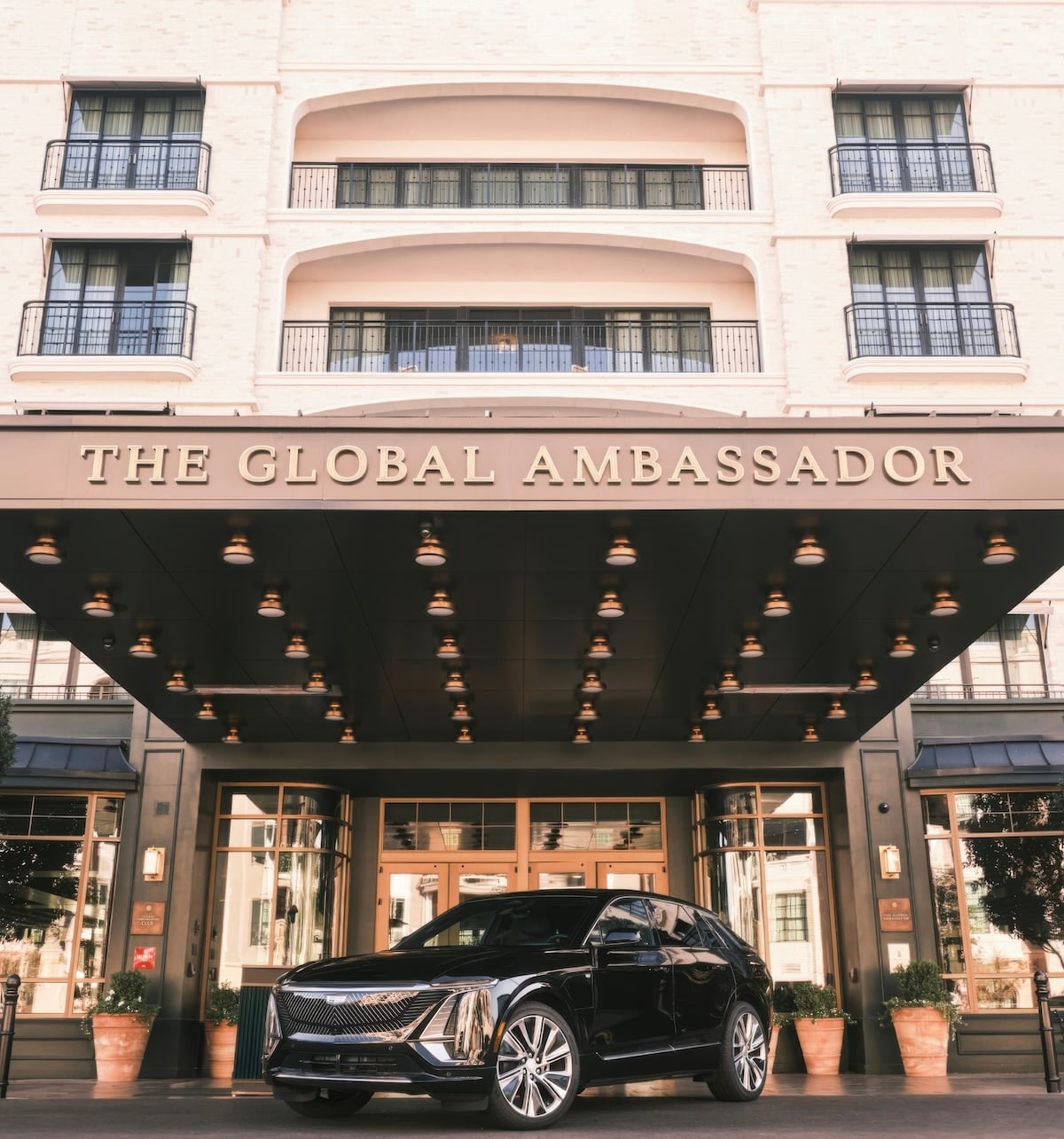
The Global Ambassador
The Global Ambassador, 4360 E Camelback Rd, Phoenix, AZ 85018, USA