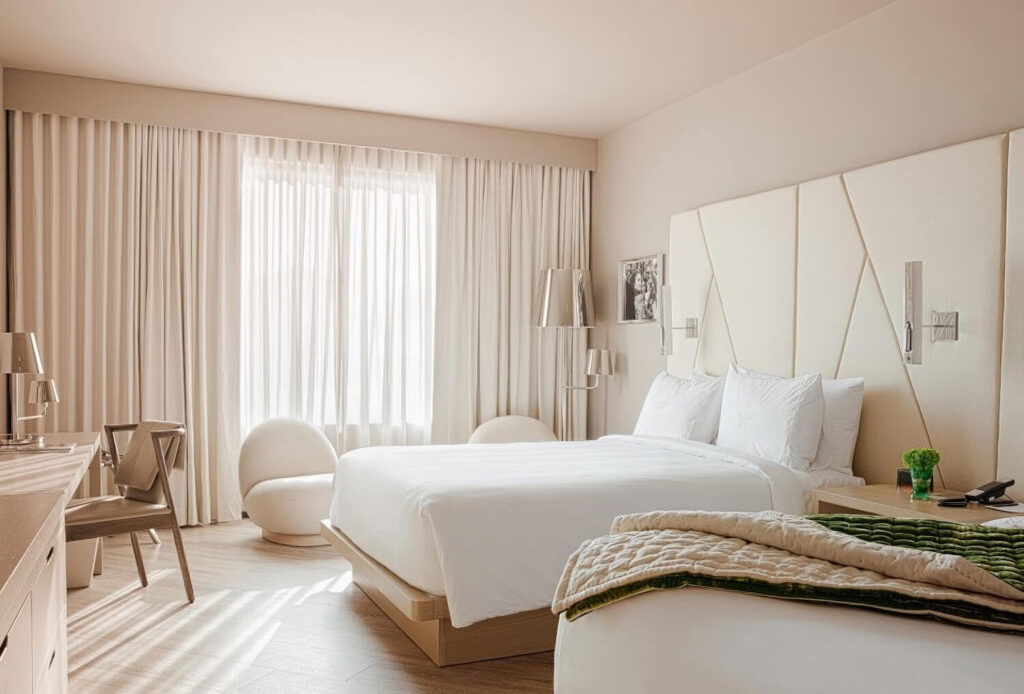
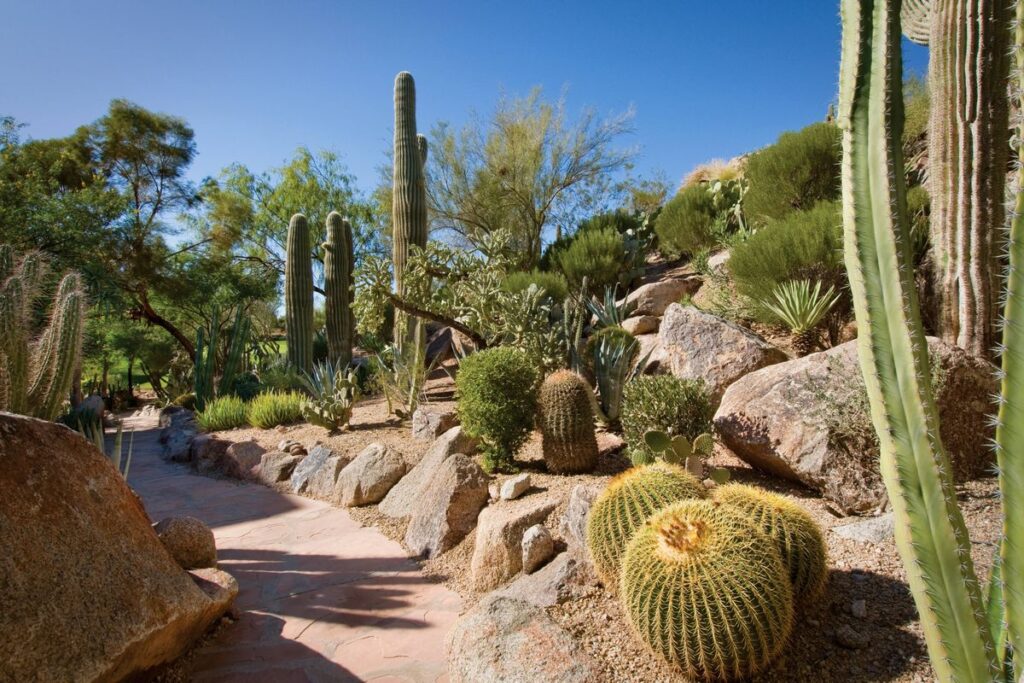
The Canyon Suites at The Phoenician, Scottsdale
Which Scottsdale Spa Hotels Actually Deliver on Longevity?

Founder & Editor, Spa Hotel Finder
Experience
20+ years in media and travel publishing
The Telegraph · Condé Nast International · Time Out Group
Education
Executive MBA · ESCP Business School
Expertise
Spa Hotels · Spa Pricing and Resort Fees · Wellness Travel · Hot Springs and Bathing Traditions
Published · Updated · 15 min read
None of Scottsdale's hotel spas offers a full longevity protocol, but CIVANA, Grand Hyatt and The Phoenician each deliver a genuine piece: a deep thermal circuit, hot-and-cold plunges, a complete traditional spa day. Choose by verifiable hardware, not brochure language.
In 30 Seconds
- Infrared sauna, red light panels and IV therapy are absent from every hotel spa assessed.
- Scottsdale's deepest thermal circuit requires a same-day treatment or salon booking plus a $60 nightly fee per guest.
- Suits contrast-therapy seekers who want heat cycling in a hotel spa; skip it if clinical protocols are the goal.
Scottsdale on SpaRator: what our scored hotels show
scored hotels in Scottsdale
Where they sit on the field
- In this market
- Other scored hotels
The scores printed in this guide were current when it was published. Today's scores are in the hotel cards below and on each hotel's analysis page.
Scottsdale has always sold wellness. Desert mineral pools, Native American ritual-inspired treatments, Sonoran clay wraps: the spa culture here runs deep. But something shifted. Walk through the spa facilities of North Scottsdale’s best-known resorts in 2026 and you encounter a different conversation: cold plunge protocols, facial treatments named after cryogenic procedures, and, at one property, an entire treatment philosophy rebuilt around circadian science.
Guests who once described themselves as wellness-interested now arrive with specific asks: infrared-exposure windows, cold-shock protein activation, contrast-therapy circuits. They’ve read the research. They’ve followed the influencers. They want the hardware.
The question is whether Scottsdale’s spa hotels have genuinely invested in this shift, or whether longevity is simply the new adjective on an old stone massage. We assessed 10 properties across our SpaRator database on four dimensions: thermal contrast therapy (cold plunge and heat cycling; our guide to what sauna research actually shows covers the evidence behind heat cycling); photobiomodulation (infrared and red light); clinical protocols (IV therapy, biomarker-linked treatments); and circadian-aligned programming. What we found is more differentiated than the marketing suggests.
A note on what we mean by biohacking in a resort spa context: we’re not measuring whether a hotel offers the full clinical stack of a dedicated longevity clinic. We’re asking a more useful question. Does this spa give you evidence-based tools that compound your body’s recovery, or does it trade on the vocabulary without the substance?
What the Science Actually Says
The research base for the core biohacking modalities is solid in some areas and contested in others. Worth knowing before you book.
Cold water immersion, typically defined as submersion below 15°C (59°F), has strong evidence supporting its ability to reduce delayed-onset muscle soreness, improve mood via norepinephrine release, and stimulate brown adipose tissue activation. Evidence for systemic longevity benefits is promising but less conclusive. What is established: acute cold exposure creates hormetic stress, a controlled physiological challenge that, repeated regularly, trains adaptive responses. One well-designed study showed 11 minutes per week of cold water immersion produced meaningful improvements in metabolic markers.
Infrared sauna therapy (distinct from traditional dry saunas) uses near, mid, and far infrared wavelengths to penetrate tissue more deeply at lower ambient temperatures: typically 50 to 60°C versus 80 to 100°C in traditional saunas. Research from the University of Eastern Finland tracked over 2,300 subjects and found frequent sauna use (four to seven times per week) associated with significantly reduced cardiovascular risk. Two caveats. Whether resort-grade infrared suites deliver comparable exposure is a legitimate question, and the Finnish data comes from traditional saunas, not infrared cabins. Our guide to communal bathing breaks down what the research does and doesn’t show.
IV therapy is where the evidence is most contested. Direct intravenous delivery of vitamins, minerals, and amino acids bypasses gastrointestinal absorption limits. That part is pharmacologically sound. What’s less established is whether typical wellness-IV formulations produce measurable long-term benefit in people who are not deficient. Honest answer: you’ll feel the acute hydration. Whether it moves your biological age markers over months requires a clinical protocol and baseline testing that hotel spas don’t provide. As of this update, no Scottsdale hotel spa publishes an IV therapy menu at all, which settles the question locally.
Circadian-aligned programming is the most compelling and underappreciated entry point for spa hotels. Timing matters biologically. Morning light exposure, temperature changes at dusk, treatment timing relative to cortisol rhythms: these are measurable physiological levers, not marketing language. One Scottsdale spa has built its entire treatment philosophy around this, and what guests actually say about it is worth examining.
The 10 Properties: What They Actually Offer
CIVANA Wellness Resort & Spa | SpaRator 8.5
The most complete longevity hardware in the market belongs to CIVANA in Carefree, about 30 minutes north of Old Town. The Spa at CIVANA runs 22,000 square feet on two levels, and its Aqua Therapy Circuit is the real thing: Kneipp hot-cold wading walks, a Tepidarium soaking pool, a cold deluge shower, a eucalyptus steam room, and the continental U.S.’s only KLAFS SANARIUM, a Finnish sauna system that cycles between climate modes. Watsu sessions run in a private outdoor pool and book out fast (email only).
Programming runs deeper still: more than a hundred complimentary classes a week, the widest slate in our Scottsdale set, and 66 of 84 recent TripAdvisor reviews praise the classes and instructors by name. Spa operations are run by Stevie White, who spent 12 years at Montelucia’s Joya Spa before moving to CIVANA in March 2020.
Two catches, both fee-shaped. Circuit access now requires a same-day treatment or salon booking (a fact we got wrong before, and the property’s own policy page confirms the gate), and checkout adds a $60-per-guest nightly Experience Fee that the website doesn’t publish. Underneath it all sit 1964 bones at 2026 rates: 11 of 84 recent reviewers call the rooms dated or small.
Best for: the guest who wants the deepest thermal circuit and class programming in the market and will trade room polish to get it. This is the property the rest of this list gets measured against.
Omni Scottsdale Resort & Spa at Montelucia | Joya Spa | SpaRator 8.5
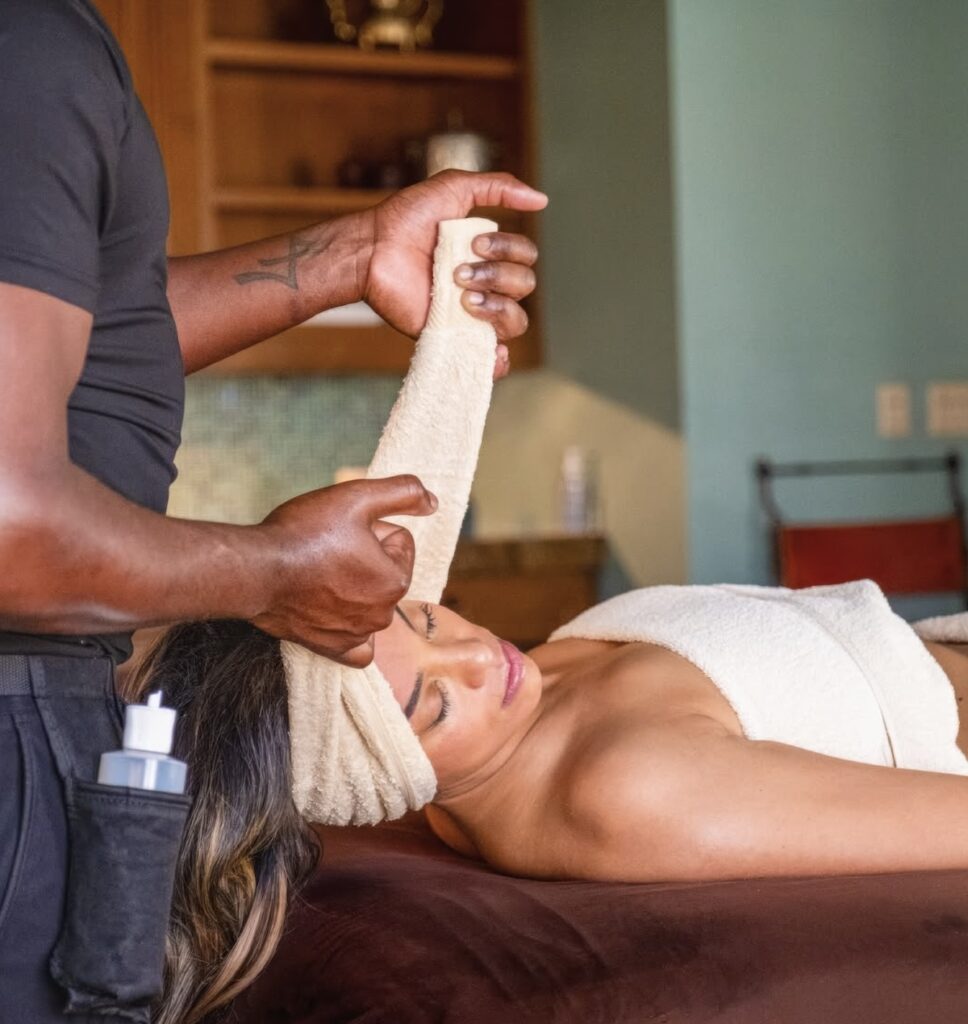
Joya Spa is still Arizona’s most architecturally spectacular spa: 31,000 square feet of Moorish arches at the base of Camelback Mountain, Scottsdale’s third-largest resort spa. Its thermal offer is a Hammam-inspired ritual: progressively heated chambers built around a 200-year-old Cherrywood Hammam table, bookable as an 80-minute experience at $580 Monday to Thursday, $605 on weekends, before the 20% service charge. A backlit Himalayan salt sauna sits in each locker wing.
Here is what this refresh found: the contrast-therapy story and the guest record have parted company. Across 259 recent TripAdvisor reviews, the Hammam draws two mentions. Its rooftop pool draws 52. Guests book Joya for the architecture and the rooftop, not the protocol. And the clinical layer we described in an earlier version of this guide (an IV menu overseen by an on-site naturopathic physician) no longer appears anywhere in Omni’s current spa materials; we’ve removed it pending confirmation from the property.
Best for: thermal ritual in the market’s most beautiful building, booked midweek. Not for anyone expecting clinical protocols, and at 4.3 on Google, last among its Scottsdale spa peers, not for anyone expecting the service to match the postcard.
The Phoenician | SpaRator 8.5
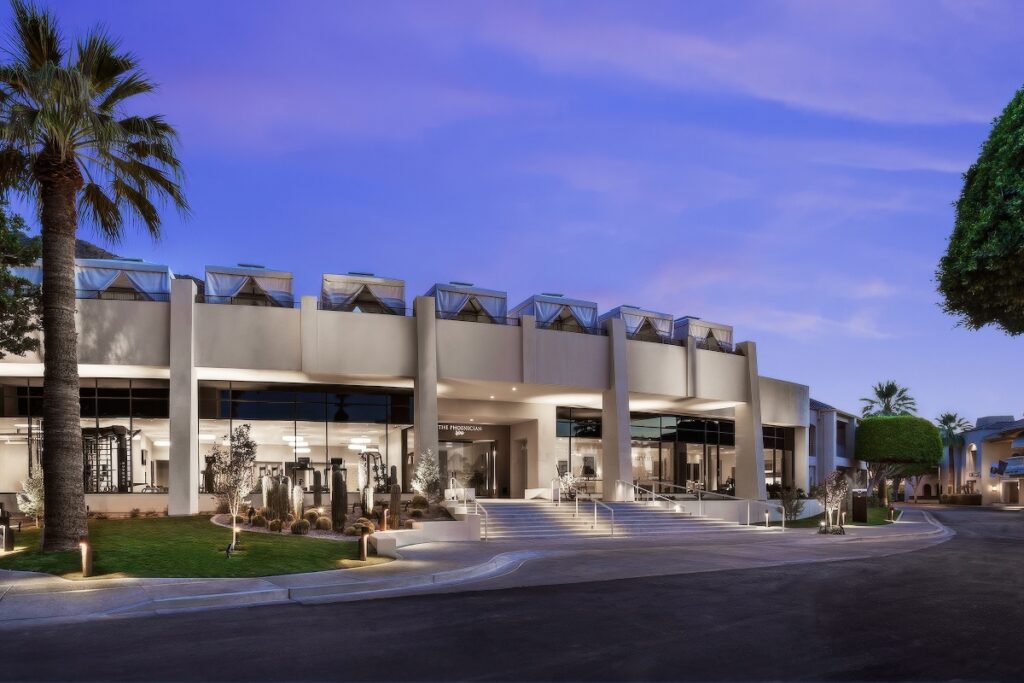
The Phoenician Spa runs 37,000 square feet over three stories, and its access rule is the cleanest in the luxury tier: one qualifying treatment (facial, massage, body treatment, or combined mani-pedi) buys the entire day. Thermal circuit, Meditation Atrium, 67-foot rooftop adults-only pool, no clock. Hardware inside that circuit is traditional: vitality hot tubs seating ten per side, dry saunas and eucalyptus steam rooms in each locker wing, with the cold half of the contrast delivered by scripted 30-second showers rather than a plunge.
The asterisks: Forbes moved the spa to Four-Star for 2026 (the Five-Star now belongs to sister property Canyon Suites, for the hotel), the men’s and women’s circuits are fully separate so couples can’t share the ritual, and the real capacity constraint is the locker suites, not the 24 treatment rooms. A January 2026 guest reported the sauna running cool, and a December 2024 guest found nowhere to sit.
Best for: the most complete traditional spa day in Scottsdale. A longevity traveler gets real heat cycling here, cold showers included. What they won’t find is a cold plunge, infrared, red light, or anything clinical.
Sanctuary Camelback Mountain Resort & Spa | SpaRator 8.4
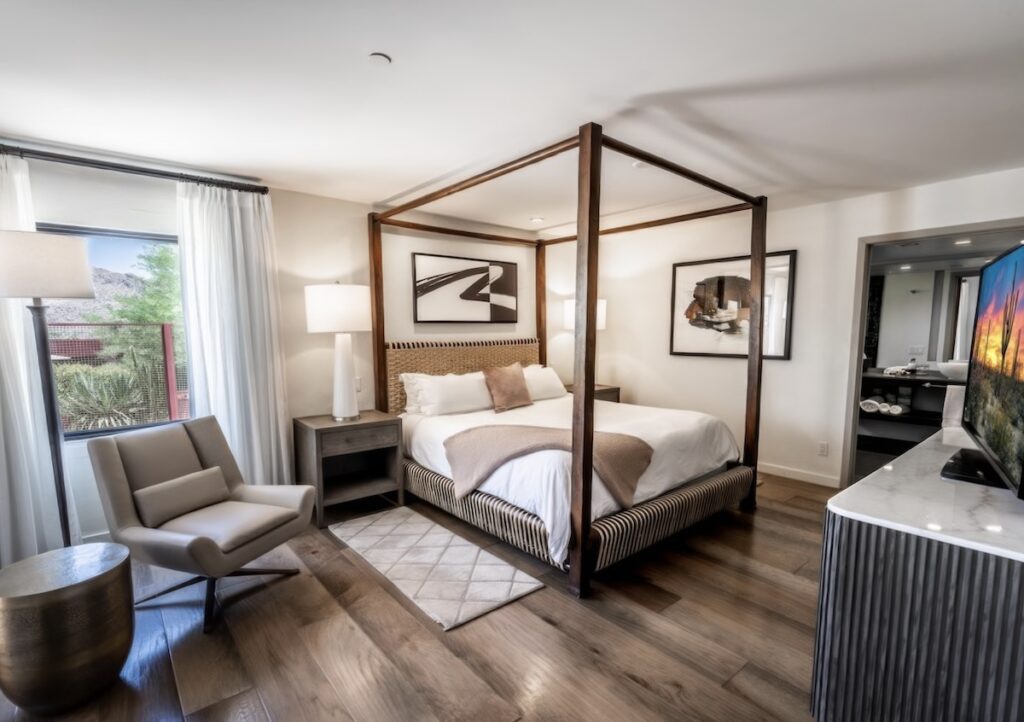
Sanctuary holds one genuine market first: spa facility access comes with the resort fee, ungated. No treatment booking required for the whirlpools, eucalyptus steam, lap pool, and quiet room. Every other luxury property in this list gates its circuit behind a qualifying treatment; this is the model we keep wishing Scottsdale would copy.
On longevity hardware, the gap is real and worth naming. At 12,000 square feet with twelve treatment rooms, the spa has no confirmed dry sauna (guests have reported its absence repeatedly since 2022; we’ve asked the property to settle it), no cold plunge, and nothing clinical. Sanctuary’s strength is the movement layer: daily yoga, Pilates, spin, guided hikes, tennis, and pickleball, all included, the deepest complimentary slate of any luxury resort here. Regular movement is among the most evidence-backed interventions for extending healthspan. It just isn’t the hardware this guide’s title promises. One more finding from the refresh: in 199 reviews we parsed, not one guest mentions the private Watsu pool, Arizona’s only dedicated one.
Best for: guests prioritizing movement programming, treatment excellence, and ungated access. Not the property for cold exposure or clinical protocols.
Grand Hyatt Scottsdale Resort | Spa Avania | SpaRator 8.2
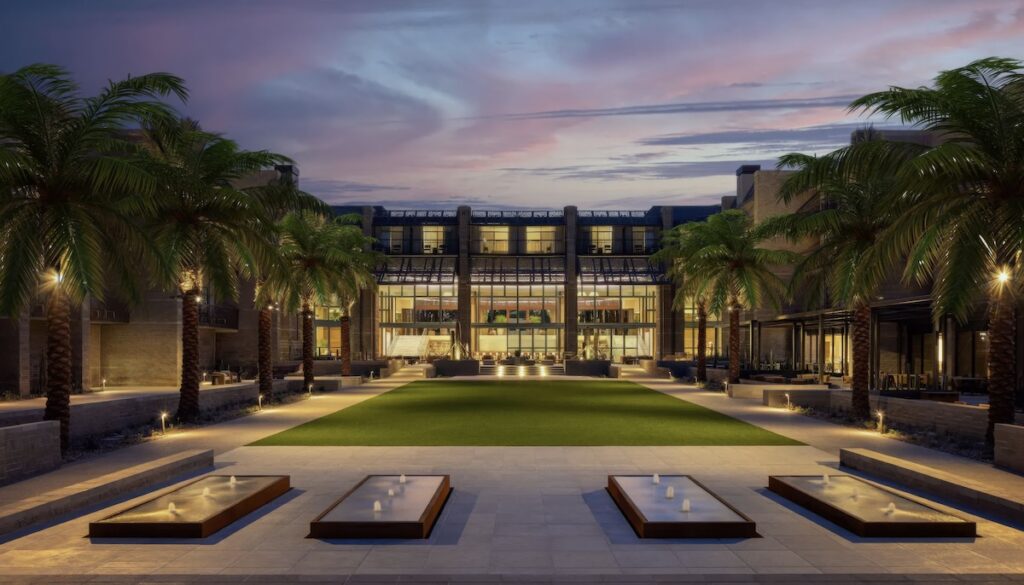
Spa Avania has the most complete thermal-contrast setup of any hotel spa in this list: hot and cold plunge pools, an alpine sauna and chromotherapy steam room in each wing, a dedicated Himalayan salt room guests book in 30-minute sessions, and a 16,290-gallon French Celtic mineral pool held near 86°F. That mineral pool is the feature guests name more than any other, ahead of any treatment. The spa reopened in September 2024 after the Grand Hyatt’s $115 million property-wide renovation, and it holds the top Google rating of any Scottsdale resort spa: 4.8 across 777 reviews.
Now the circadian claim, because this guide’s earlier version repeated it approvingly. Hyatt markets Avania as the first Arizona spa to align treatments with the body’s daily rhythms: mineral water, nutrition timing, synchronized soundscapes, treatments scheduled to cortisol and melatonin cycles. That infrastructure is real. The guest record is silent. In every sample we pulled for this refresh, no guest mentions the circadian philosophy. Not once. You will benefit from a well-built thermal circuit; whether you’d notice the timing intelligence without the brochure is an open question. Cryo Sculpt facials joined the menu at reopening, but there is no cryo chamber, no IV, no physician.
Book around two operational facts: the spa closes on Wednesdays, and facility access without a treatment runs $40 a person (or from $85 via ResortPass).
Best for: the strongest contrast-therapy day in a hotel spa: cold plunge, salt room, mineral pool, at mid-luxury prices. Treat the circadian layer as atmosphere, not protocol.
Andaz Scottsdale Resort & Bungalows | Palo Verde Spa | SpaRator 7.9
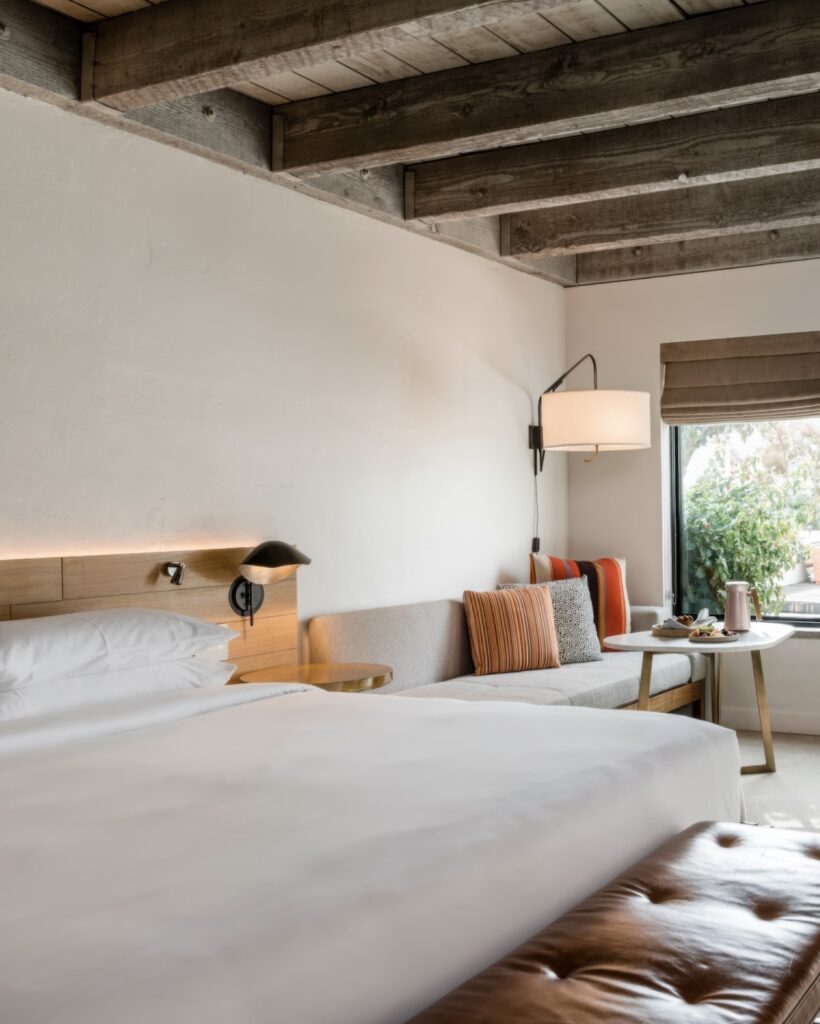
Palo Verde Spa’s marketed identity is the apothecary blending bar, where guests co-create a botanical blend that runs through their treatment. We reported it as memorable in an earlier version. This refresh’s 200-review parse found zero guests mentioning it. What guests actually name, repeatedly, are the therapists: Sarah, Lisa, Kerry, and Jennifer all recur across independent reviews, part of sixteen staff members named repeatedly across the recent record.
Its longevity-relevant offer is small but real. Sonoran Wellness Suites put Tonal smart-gym systems in the room itself, which does more for a traveling training routine than any shared fitness floor. Two house-only facials (OxyGeneo and DNA Renewal, $125 to $295 on the spa’s February 2025 pricing guide) address skin regeneration directly. Thermal hardware is thin: one steam room, no confirmed sauna, no cold plunge, and a $25-a-day facility charge for hotel guests without a treatment.
Best for: fitness-focused travelers (the Tonal suites are genuinely useful) and anyone who books massages by therapist name. Thermal-circuit devotees should look elsewhere.
Four Seasons Resort Scottsdale at Troon North | SpaRator 7.8
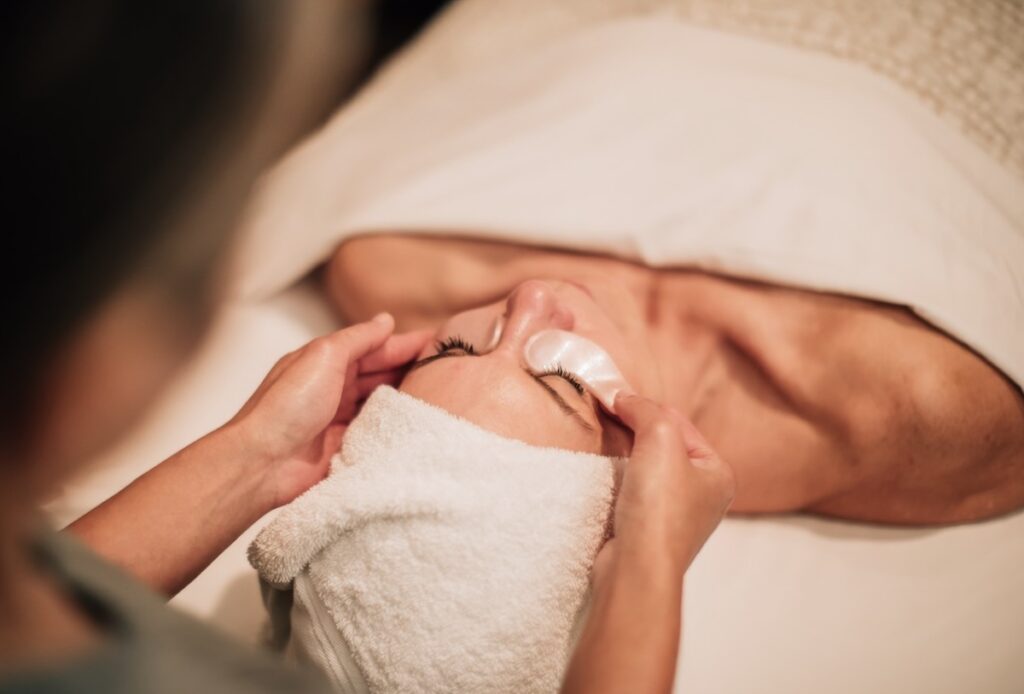
Sitting at the base of Pinnacle Peak in far north Scottsdale, the Four Seasons occupies 40 acres of undiluted Sonoran Desert, and its service is the product: staff warmth appears in 84% of recent positive reviews. Its spa is Scottsdale’s smallest at the luxury tier: 12,000 square feet, 14 treatment rooms, and a wet offer that stops at a dry sauna and eucalyptus steam room in each locker wing. No whirlpool, no cold plunge, no hydrotherapy pool. That is the complete list. Its signature Nopal Massage (warm prickly-pear gel pressed in with cactus paddles) exists nowhere else in Arizona, and several of the larger suites carry private plunge pools, though that’s personal contrast therapy, not a protocol.
Pricing is the tension, and it sharpened this year. Peak rates run roughly $735 to $1,750-plus before fees, and a $55 nightly resort fee now appears at booking — a fee we previously said didn’t exist, and one the resort’s own need-to-know page still doesn’t list. You are paying the market’s top prices for its smallest luxury spa. Setting and service are what you’re buying.
Best for: desert solitude, golf, and service warmth. Longevity programming is minimal here. Seclusion is the wellness product.
The Scottsdale Resort & Spa (Curio Collection) | Luna Spa | SpaRator 7.7
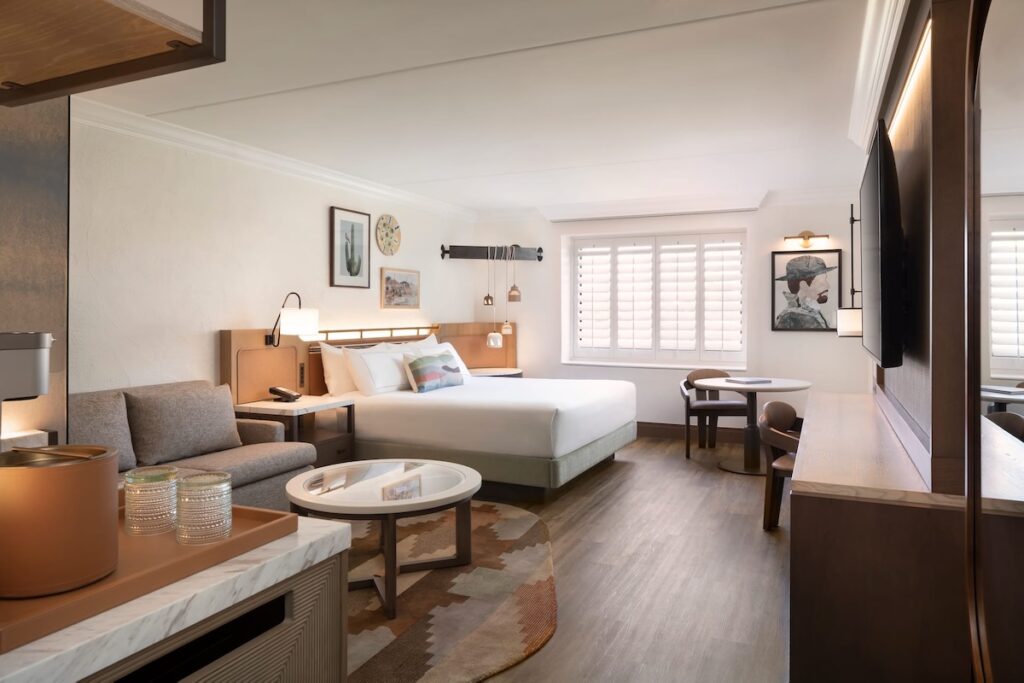
The value entry answers a question the luxury tier can’t: what’s the cheapest complete contrast circuit in Scottsdale? Luna Spa runs the full sequence (his-and-hers dry saunas, a coed steam room, a cold plunge, and an outdoor hot tub added in 2025) inside a 3,200-square-foot, nine-room spa where any treatment or a $75 day pass unlocks the circuit. Off-season rooms start near $134; even peak weekends spot-check at $550 to $764 all-in, under half the luxury tier’s floor. Its therapist bench recurs by name (Jon, Malia, Marwa, Angela) across a 113-review Google record running 91% five-star.
Ceilings: nine rooms, spa doors close at 5 pm, a 22% service charge, and conference buyouts that can close venues mid-stay.
Best for: the budget cold-plunge seeker. Nothing else in the market delivers heat-cold cycling at this price.
Hotel Valley Ho | VH Spa | SpaRator 7.3
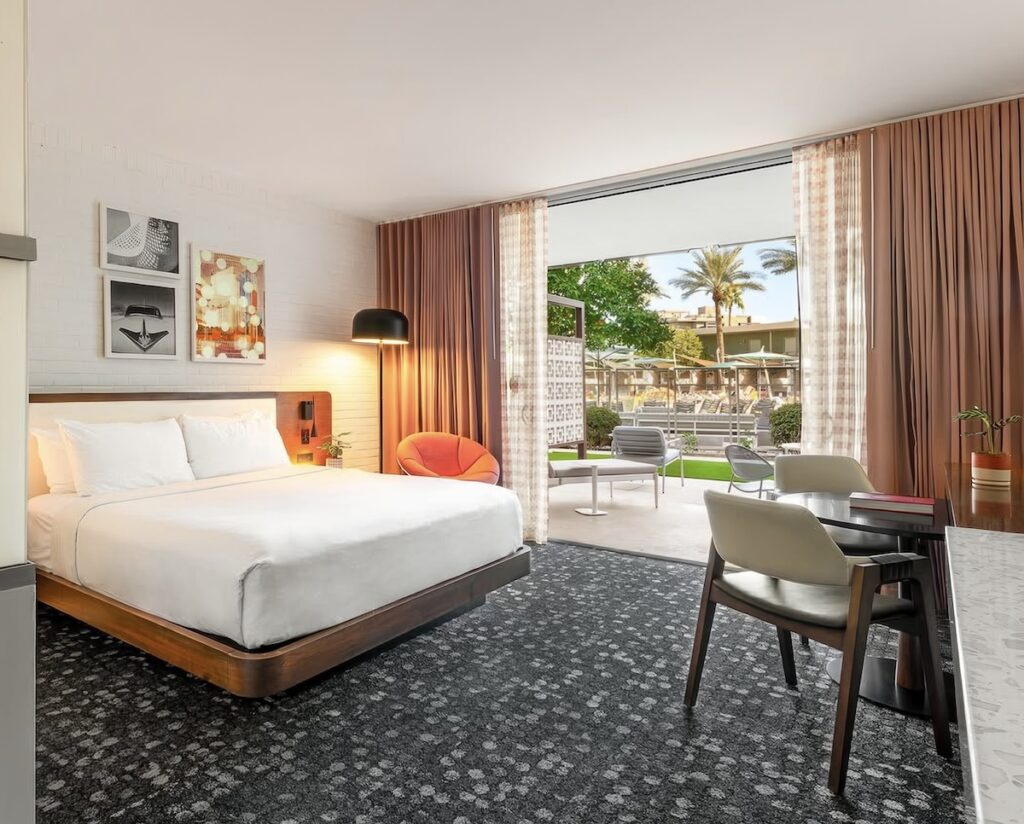
Hotel Valley Ho is the honest lower-market benchmark: a restored 1956 Edward Varney landmark in walkable Old Town with no resort fee at all (the hotel’s own FAQ: “There sure isn’t!”). VH Spa runs eight treatment rooms, a spa deck above two 82°F pools, and chromotherapy saunas in each locker wing, which is light-plus-heat rather than a clinical photobiomodulation program. No steam room (booking sites claim one; guests and the hotel’s own pages confirm otherwise), no cold plunge, no hot tub. Massage is the product, and the recurrence data backs it: therapist Zekiel appears in six independent reviews across nine months.
Best for: urban visitors adding a quality massage to an Old Town stay. A supplement to a city trip, not a longevity destination.
Kimpton Miralina Resort & Villas | SpaRator 7.0
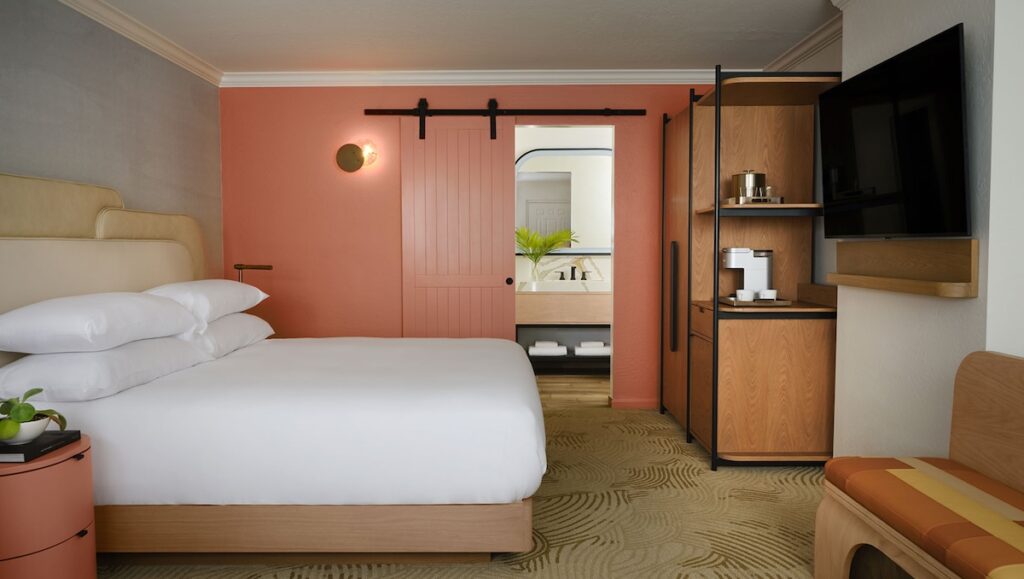
The market’s newest contrast circuit is outdoors. Spa Miralina’s Hydrotherapy Pass (two hours, 18-plus, bookable standalone) sequences an outdoor dry sauna, hot tub, and cold plunge, and the 40-acre grounds carry eight Desert Reveries art installations plus a dawn-to-dusk class slate. In July and August, plan the circuit for morning or evening; it’s all outside.
Its score is the caution. Miralina sits at 7.0 because the hotel around the spa is mid-conversion from the Scottsdale Plaza Resort: 14 of 30 recent TripAdvisor stays landed at one or two stars, driven by unrenovated rooms still being sold and visible understaffing. Confirm a renovated room before you book, and note there’s no steam room and no indoor thermal space at all.
Best for: an outdoor contrast circuit at mid-tier prices, booked midweek, in a renovated room, with expectations set.
Longevity Modality Comparison: 10 Scottsdale Properties
A snapshot across the four core dimensions. See individual reviews for full context.
| Property | SpaRator | Cold / thermal contrast | Infrared / light | IV / Clinical | Circadian |
|---|---|---|---|---|---|
| CIVANA | 8.5 Outstanding | ✓ Kneipp circuit, cold deluge, SANARIUM | — | — | — |
| Omni Montelucia (Joya) | 8.5 Outstanding | ✓ Hammam-inspired heat ritual; salt sauna | — | — | — |
| The Phoenician | 8.5 Outstanding | ~ Vitality tubs, sauna, steam; cold showers, no plunge | — | — | — |
| Sanctuary Camelback | 8.4 Outstanding | ✗ No sauna confirmed, no plunge (steam only) | — | — | — |
| Grand Hyatt (Spa Avania) | 8.2 Outstanding | ✓ Hot + cold plunge, salt room, mineral pool | — | ~ Cryo Sculpt facial | ~ Marketed; unnoticed by guests |
| Andaz (Palo Verde) | 7.9 Excellent | ~ One steam room only | — | ~ OxyGeneo, DNA Renewal facials | — |
| Four Seasons Troon North | 7.8 Excellent | ~ Sauna + steam; no wet circuit | — | — | — |
| Scottsdale Resort (Luna) | 7.7 Excellent | ✓ Full circuit: sauna, steam, cold plunge, hot tub | — | — | — |
| Hotel Valley Ho | 7.3 Excellent | ~ Chromotherapy saunas; no steam or plunge | ~ Chromotherapy (light, not clinical) | — | — |
| Kimpton Miralina | 7.0 Excellent | ✓ Outdoor circuit: sauna, hot tub, cold plunge | — | — | — |
Key: ✓ Full offering | ~ Partial / treatment-level only | ✗ Notable absence | — Not offered. SpaRator scores verified August 2026.
What’s Still Missing From Scottsdale’s Hotel Spa Market
For all the longevity vocabulary in Scottsdale’s resort marketing, the infrastructure remains incomplete next to dedicated operations like Canyon Ranch in Tucson or the standalone biohacking studios multiplying across the Valley.
Infrared sauna, in the clinical sense (a private room with calibrated wavelength delivery and timed sessions), is absent from every hotel spa menu we assessed. Telling detail: ADERO’s $20 million SYMETRI SPA rebuild, breaking ground August 24, 2026 with a sauna, cold plunge, and hammam on the announced list, has already dropped the infrared sauna from its original October 2025 announcement.
Red light therapy panels don’t appear as dedicated amenities at any of the ten properties, notable given the evidence base and the modest infrastructure cost.
IV therapy has gone from rare to absent. A physician-run program we previously described at one property no longer appears in its current materials, which leaves no Scottsdale hotel spa publishing an IV menu at all, let alone NAD+ protocols, now standard at dedicated longevity clinics.
That gap between what Scottsdale’s hotel spas offer and what the market is asking for is real, and it’s an opportunity. The first resort spa here to install a proper infrared suite, add red light to a recovery zone, and formalize a clinically supervised IV menu would hold a defensible position against both the competition and the studios currently pulling that clientele out of hotels.
The Bottom Line
If you’re booking a Scottsdale spa hotel specifically for longevity infrastructure, no single property delivers the complete stack. What you will find, distributed across the market:
The deepest thermal circuit and programming: CIVANA. Kneipp walks, the SANARIUM, a hundred-plus weekly classes; budget for the treatment gate and the per-guest Experience Fee.
The most complete contrast setup in a hotel spa: Grand Hyatt’s Spa Avania. Hot and cold plunges, salt room, mineral pool. Ignore the circadian brochure; the hardware carries it.
The best traditional spa day: The Phoenician, where one treatment buys the whole three-story circuit, or Sanctuary, if ungated access and movement programming matter more than hardware.
The budget circuit: Luna Spa at the Scottsdale Resort. Sauna, steam, cold plunge, and a 2025 hot tub for a $75 day pass.
The in-room option: Andaz’s Tonal suites, for travelers whose longevity practice is resistance training rather than cold exposure.
A traveler who wants the full protocol (infrared, cold plunge, IV, red light, circadian lighting) is still better served combining a hotel stay with a session at one of the Valley’s specialist studios. That’s not a knock on Scottsdale’s hotel spa market. It’s an accurate reading of where it is in 2026.
Watch this space. The market is moving — ADERO’s rebuild is proof.
Review our full SpaRator scores for all Scottsdale properties.
Updated August 2026: every SpaRator score re-verified against the current review library, and the assessment expanded from 7 to 10 properties. Corrections: an IV-therapy program with an on-site physician we previously described at the Omni Montelucia no longer appears in the property’s current spa materials and we have removed it pending confirmation; The Phoenician Spa’s Forbes rating is Four-Star for 2026, not Five; its facility measures 37,000 square feet, not the 22,000 we printed before.
17 Scored Hotels, Ranked by Score
We may earn a commission when you book through these links. It never affects a SpaRator score, and no hotel hosted or paid for this analysis. How we earn
- SpaRator 8.1: Outstanding
CIVANA Wellness Resort and Spa
Scottsdale
- SpaRator 7.8: Strong
- SpaRator 7.5: Strong
Grand Hyatt Scottsdale Resort
Scottsdale
- SpaRator 7.5: Strong
The Canyon Suites at The Phoenician
Scottsdale
- SpaRator 7.4: Solid
Four Seasons Resort Scottsdale
Scottsdale
- SpaRator 7.3: Solid
Show all 17 hotelsShow fewer hotels
- SpaRator 7.2: Solid
Andaz Scottsdale Resort & Bungalows
Scottsdale
- SpaRator 7.2: Solid
Hotel Valley Ho
Scottsdale
- SpaRator 7.1: Solid
The Scottsdale Resort and Spa
Scottsdale
- SpaRator 7.0: Solid
- SpaRator 7.0: Solid
- SpaRator 6.8: Modest
- SpaRator 6.7: Modest
The Scott Resort & Spa, Scottsdale
Scottsdale
- SpaRator 6.4: Modest
Kimpton Miralina Resort and Villas
Scottsdale
- SpaRator 6.4: Modest
Scottsdale Camelback Resort
Scottsdale
- SpaRator 6.4: Modest
W Scottsdale
Scottsdale
- SpaRator 5.6: Limited
Mountain House Lodge at Sereno Canyon
Scottsdale
Every Hotel We Score
Every dot is one of the 128 hotels with a SpaRator score, left to right from low to high. Lit dots mark the hotels in this city. Select any dot to see the hotel's name and score.
Market
Showing 128 of 128
- In this market
- Spa details on file, not listed
- No spa details on file yet
Hover or tap a dot to see the hotel.
No hotel here is lit yet.