What Is a Hammam? A Complete Guide to the Ritual, the History, and What to Expect
A hammam is a communal bathhouse with a fixed ritual: wet heat first, then an attendant's scrub, soap, and rinse. The decisions this guide settles are whether to book, which tradition, and what to wear.
In 30 Seconds
- Expect to pay from about $15 at a neighborhood Istanbul bathhouse up to $400 at a luxury hotel spa.
- Book the Turkish ritual for far deeper exfoliation; the Moroccan version runs longer, gentler, and finishes with clay and oil.
- Suits travelers seeking deep exfoliation in a cultural ritual; skip it if pregnant, managing a heart condition, or uneasy being washed.
Hammam: what our scored hotels show
scored hotels offer it
Where they sit on the field
- Offers it
- Other scored hotels
Spa details are on file for 84 of 102 scored hotels, so the count is a floor.
See where to book itMost people book a hammam expecting a slightly fancier steam room. What they get is closer to being politely power-washed by a stranger on a slab of heated marble, which is why one visitor to a Fes bathhouse spent her scrub joking to her daughters that they should run while they still could.
A hammam is a communal steam bath built around an attended exfoliation ritual, and it has anchored daily life across Turkey, Morocco, Syria, and the wider Muslim world since the 7th century. Hotel spas now sell a private, softened version of the same thing, which is why the word keeps turning up on Western spa menus.
Here is what happens room by room, how the Turkish and Moroccan traditions differ, what it costs, what you wear, and who should skip it entirely.
Hammam Meaning: What the Word Actually Describes
A hammam is a communal steam bath, often called a Turkish bath, where you sweat in a heated humid room and are then scrubbed, washed, and rinsed by an attendant. It is a structured ritual with a fixed sequence, not a room you sit in.
The name traces back to the Arabic root for heat, and you will see it spelled hammam, hamam, or hammem depending on the country and the transliteration. “Turkish bath” is the English label for the Ottoman version specifically. It is not a synonym for every hammam, which is where most of the confusion starts.
Three things separate a hammam from any other hot room:
- Wet heat, not dry. A hammam runs at roughly 40 to 50 degrees C with humidity near 100 percent, so the air sits heavy on you rather than searing.
- Someone else does the work. An attendant scrubs, soaps, and rinses you. You are not looking after yourself the way you are in a hotel steam room.
- A sequence of rooms, not one room. The classic plan runs changing room, cold room, warm room, hot room, known in Turkish as camekan, sogukluk, iliklik, and hararet. The walkthrough below covers what you do in each.
Working hammams still operate in Istanbul, Marrakech, Fes, Damascus, and Cairo, and hammam rituals now appear on hotel spa menus thousands of miles from any of them. Moroccan-style hammam spas operate in Marrakech and Malibu alike; Turkish-style ones in Istanbul, Tuscany, and Beverly Hills.
The History of the Hammam: From Roman Baths to Neighborhood Ritual
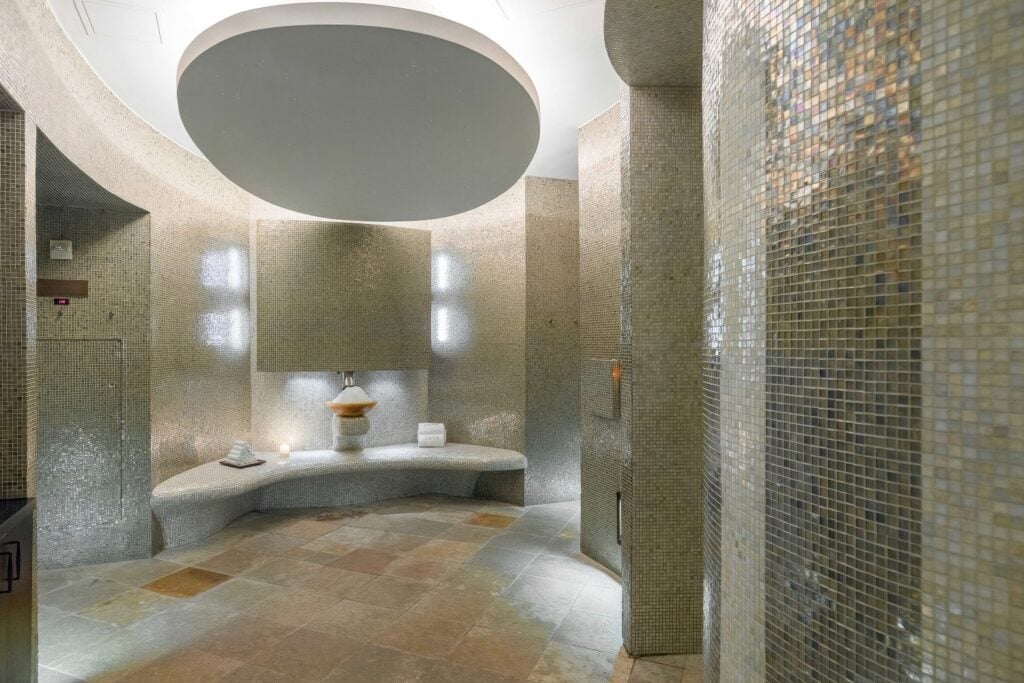
Cairo had roughly 77 working hammams at the start of the 19th century and about eight by the start of the 21st. Damascus was down to thirteen by 2004. Indoor plumbing emptied the bathhouses, not changing taste. To see what was lost, rewind about 1,300 years.
The earliest known Islamic hammams went up in Syria and Jordan under the Umayyad Caliphate in the 7th and 8th centuries, among them Qusayr ‘Amra and Hammam al-Sarah. They inherited the Roman thermae model, including the hypocaust: a furnace driving hot air and smoke through channels beneath the floor. By the late 8th to early 9th century, the form had reached Volubilis in Morocco. That is how Turkey and Morocco both ended up with hammams.
The religious framing arrived later than spa-menu copy suggests. The scholar Mohammed Hocine Benkheira notes that hammams were not strictly necessary for ritual ablution in early Islam, and that many Maliki scholars opposed them at first. The cleansing justification hardened over centuries of ordinary use.
For most of that history, the hammam was infrastructure, not luxury. It ranked as essential to a city as its market or its mosque: a place for washing before prayer, for business, for gossip, and for marking weddings and births. Women were largely absent at first, and separate hours or separate buildings for them became common only around the 10th century.
A few survive against long odds. Hammam al-Nahhasin in Aleppo, built in the 12th century, was damaged in the fighting between 2012 and 2016, restored, and reopened for bathing in November 2022.
What Happens During a Hammam: The Ritual Step by Step
First-timers freeze because nobody explains the sequence in advance, and the attendant often doesn’t speak their language. Budget 60 to 90 minutes depending on the package, and expect to be moved along rather than consulted. The four-step Turkish sequence below is the version you will meet in most Istanbul hamams.
- Changing room (camekan). You undress, wrap yourself in a pestemal (a flat woven cotton towel), and lock your belongings away. You return here at the end for tea, so it doubles as the lounge.
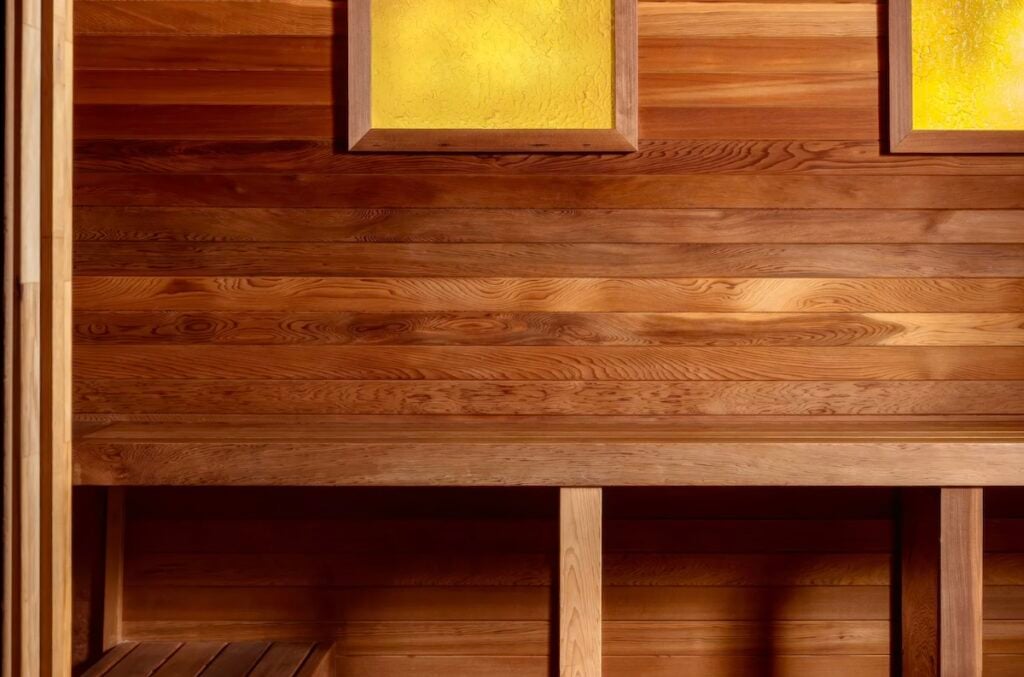
- Heat phase, 10 to 15 minutes. A dry sauna or warm room raises your core temperature and softens the skin for what follows. If your reference point is a mild Western hotel sauna, recalibrate: Turkish heat rooms run considerably harder.
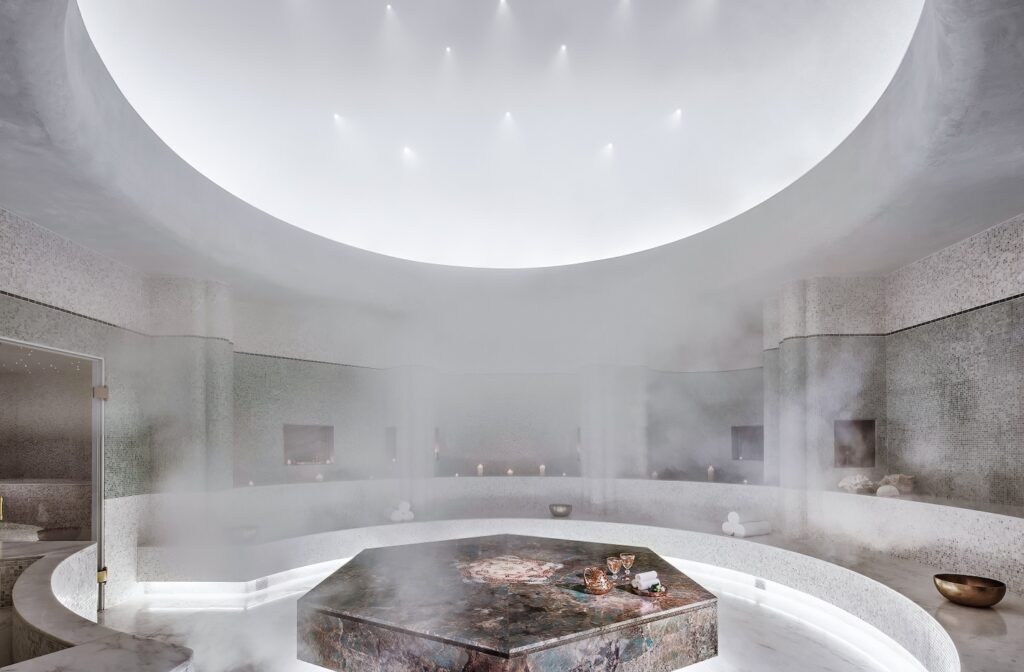
- The hot room (hararet) and the gobektasi. The centerpiece is the gobektasi, a hexagonal heated marble platform whose name means belly stone. Around the walls sit kurna, individual marble basins with hot and cold taps, poured over you with a metal cup called a masrapa. The domes are vaulted and pierced with star-shaped skylights, so steam rises, cools, and runs down the walls instead of raining back onto bathers.
- The kese scrub. This is the step people remember. An attendant works a coarse kese mitt over your whole body in fast, repetitive strokes, a far more aggressive version of the body scrub you would book from a hotel spa menu, and dead skin comes off in visible grey rolls that no at-home exfoliator will match. It is not gentle. One visitor to a Fes hammam had hot water poured over freshly scrubbed skin, slid across the wet tiles, and got an unannounced cold rinse to finish; her own mid-scrub advice to her daughters was “Save yourself, run away now, hurry.”
- Foam wash and finish. The attendant works up a cloud of soap foam from a cloth bag and lays it over you like a blanket, massaging through it before a cool rinse. Some hamams add a cold plunge pool. You finish back in the cool room with tea and Turkish delight.
One practical warning: wet marble has no grip, and most benches have no handles. A first-timer in Marrakech spent her whole treatment tensed against sliding off. Move slowly and let the attendant turn you.
Moroccan hammams follow a different script.
Turkish vs Moroccan Hammam: How the Two Traditions Differ
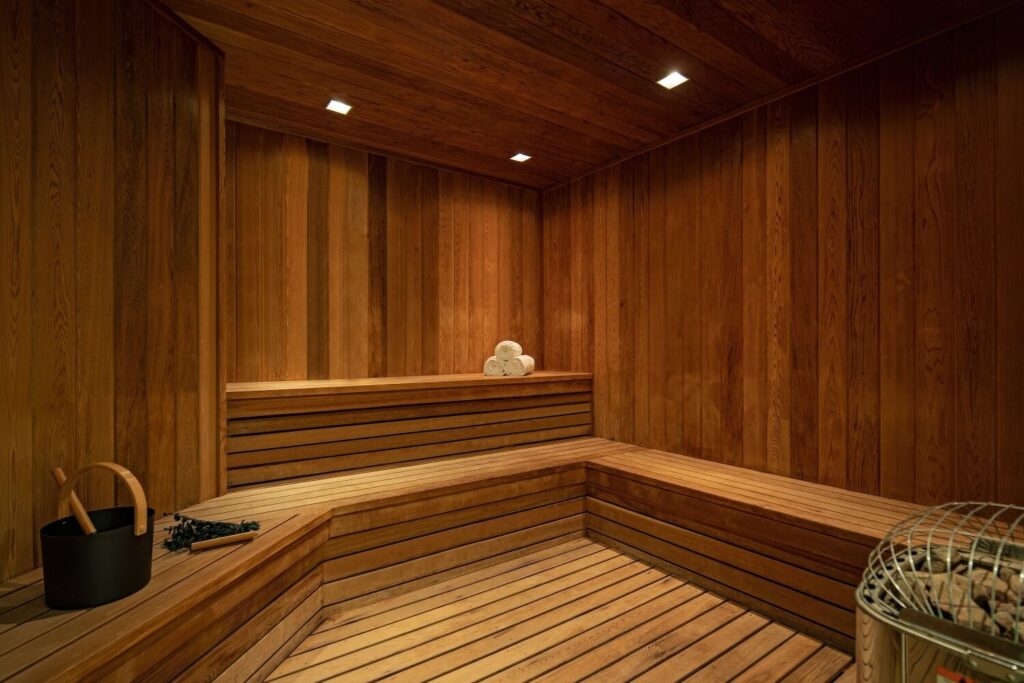
Both traditions descend from the same Umayyad-era model that reached Volubilis in the 9th century, then spent a thousand years diverging into different rituals with different products. A traveler who did both on the same trip found the gap wider than the shared name suggests.
| Turkish hammam | Moroccan hammam | |
|---|---|---|
| Scrub tool | Kese mitt | Kessa glove, woven from viscose fibers |
| Cleansing product | Soap foam | Savon beldi, made from fermented olives and eucalyptus |
| Signature step | Foam-blanket massage | Ghassoul clay mask, left on 5 to 10 minutes |
| Finish | Cool rinse, tea, Turkish delight | Argan or prickly pear oil sealed into damp skin |
| Steam level | Dense enough to cut visibility | Noticeably drier room |
| Scrub intensity | Intense, vigorous, repetitive | Brief and moderate |
| Room layout | Ottoman plan often drops the cold room and centers a domed hot room with up to four iwans | Maghrebi plan makes the warm room the largest and most decorated space |
On results, the comparison is not close. The same traveler rated her skin after the Turkish ritual 11 out of 10 for smoothness and the Moroccan one a 7. If you want the most dramatic exfoliation available, book the Turkish version and accept that it will be rough for twenty minutes. It is the wrong choice if you bruise easily or want a calm hour.
The Moroccan ritual is the better booking if you want a longer, skincare-led session with clay and oil and a scrub you can talk through. It runs longer by design: savon beldi has to soak and then be rinsed off before the scrub starts, and the clay mask adds another 5 to 10 minutes on top. It is the wrong choice if the whole point of the trip was to feel your feet turn into a newborn’s.
Also, Moroccan-style hammam menus often list a rhassoul clay application alongside the scrub. Almost none publish a mineral breakdown for it, so treat any composition claim as the spa’s own marketing.
Hammam vs Sauna vs Steam Room: The Real Differences
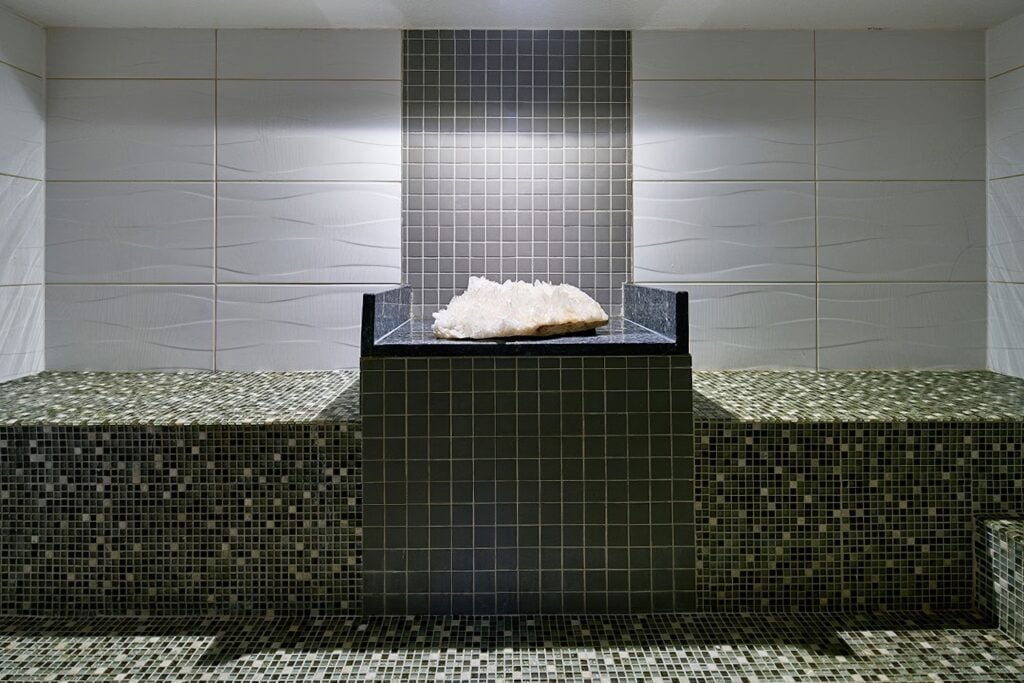
Temperature charts miss the main difference. A hammam includes a person scrubbing and washing you, while a sauna and a steam room leave you to sweat on your own.
The numbers still matter, because they explain how each one feels:
| Temperature | Humidity | Attendant | |
|---|---|---|---|
| Hammam | 40 to 50 C | Near 100% | Yes, scrub and wash ritual |
| Dry sauna | 70 to 100 C | 10 to 20% | No |
| Steam room | 45 to 50 C | Near 100% | No |
That humidity column does practical work. Hammam specialists argue the wet air is gentler on the lungs than dry sauna heat, which would make a hammam more tolerable for people with asthma or respiratory sensitivity. Treat that as an operator’s claim rather than a clinical finding, because no study is cited behind it. If you want the full picture on the dry-heat side of the table, our guide to sauna types and how sauna heat works covers it properly.
The other difference is what you pay. A steam room comes bundled with general spa access at most hotels, and you can use it for as long as you like on the day. A hammam is a booked, priced treatment with a therapist’s time attached, which is why it sits on the treatment menu rather than in the changing rooms. Full prices by venue type are further down.
Hammam Benefits: What the Evidence Supports and Who Should Skip It
The most repeated hammam benefit online, sweating out toxins, is the one with the least behind it. Your liver and kidneys handle that job. Sort the rest by how much weight each one carries.
What holds up. Mechanical exfoliation genuinely removes dead skin, and the result is visible rather than asserted: the traveler who did both rituals described her skin afterward as newborn-smooth. On the cardiovascular side, a Finnish cohort study of 2,315 men found that regular heat bathing was linked to lower fatal cardiovascular risk: 23 percent lower at two to three sessions a week, 48 percent lower at four to seven. That is an association from frequent, habitual use, not a promise from one spa afternoon. It also does not cancel the acute risk below.
What is operator marketing? Spa companies credit hammam treatments with boosting circulation, easing aching muscles, and supporting the immune system, and describe rhassoul clay as antibacterial, sebum-reducing, and pore-tightening. Those claims come from businesses selling the treatment, with no study attached. Enjoyable is fair. Clinically proven is not.
Who should not book one. A review of heat therapy in the Journal of Applied Physiology lists severe aortic stenosis, unstable angina, and a recent heart attack as contraindications, and standard guidance adds uncontrolled high blood pressure. Heat dilates blood vessels and can swing blood pressure and heart rate hard, so get medical clearance first. Pregnancy is the other clear case, particularly the first trimester: a 2024 umbrella review graded maternal hyperthermia as highly suggestive evidence for neural tube defects, at an odds ratio of 1.92, so most spas ask pregnant guests to skip the hot rooms.
Two avoidable mistakes cause most incidents: drinking alcohol beforehand, and long unbroken stretches in the heat. This is general information, not medical advice: anyone pregnant or managing a cardiovascular condition should ask their own clinician.
Hammam Etiquette, Cost, and What to Wear: The Practical Guide
What to wear. The norms differ by country, so “bring a swimsuit” is useless advice.
In Turkey, hammams are gender-separated, you wear a pestemal throughout, and your attendant is the same gender as you. At a public Moroccan hammam, underwear only is typical, and children are often present. Tourist-facing and hotel hammams in Morocco hand you disposable paper underwear and expect everything else off. Western hotel spas usually permit swimwear.
One visitor who refused the paper thong and kept her swimsuit on spent the session negotiating with an exasperated attendant. Her advice afterward: wear simple bikini bottoms, and decide in advance how much you are taking off.
What it costs. Prices below are as researched in 2026 and move with exchange rates:
- Local neighborhood hamam, Istanbul suburb: about $15 all in for sauna, steam, scrub, massage, cold pool, and a drink, plus tip
- Basic Istanbul entry plus wash ritual: around EUR 20
- Cemberlitas Hamami: from about 1,200 TL (roughly EUR 68) self-service, up to about 3,800 TL for scrub, foam, and massage
- Cagaloglu Hamami: about EUR 90 basic, EUR 90 to 400 by treatment
- Kilic Ali Pasa Hamami: roughly 1,500 to 4,000 TL
- Marrakech: from about 20 MAD at a basic public hammam to about 4,000 MAD at the luxury end
- Luxury hotel spa such as Royal Mansour Marrakech: roughly $150 to 400 per treatment
Tipping, booking, and timing. Tipping the attendant is customary and sits outside the entry price, so carry small notes. Popular hammams in Istanbul and Marrakech fill days ahead, so book before you fly. Allow 60 to 90 minutes. Afterward, drink water, moisturize, and keep freshly scrubbed skin away from strong sun and heavy products for a day.
How not to get fleeced. Confirm the price in writing before you arrive. TripAdvisor reviewers describe venues quoting one figure by phone then raising it on arrival once they spot a tourist, and full scrub-and-massage packages rushed through in about five minutes. Booking slightly outside the main tourist zone usually buys both better value and an unhurried treatment.
Where to try it
Scored Hotels with a Hammam
These are today's SpaRator scores for hotels that offer it, highest score first.
We may earn a commission when you book through these links. It never affects a SpaRator score, and no hotel hosted or paid for this analysis. How we earn
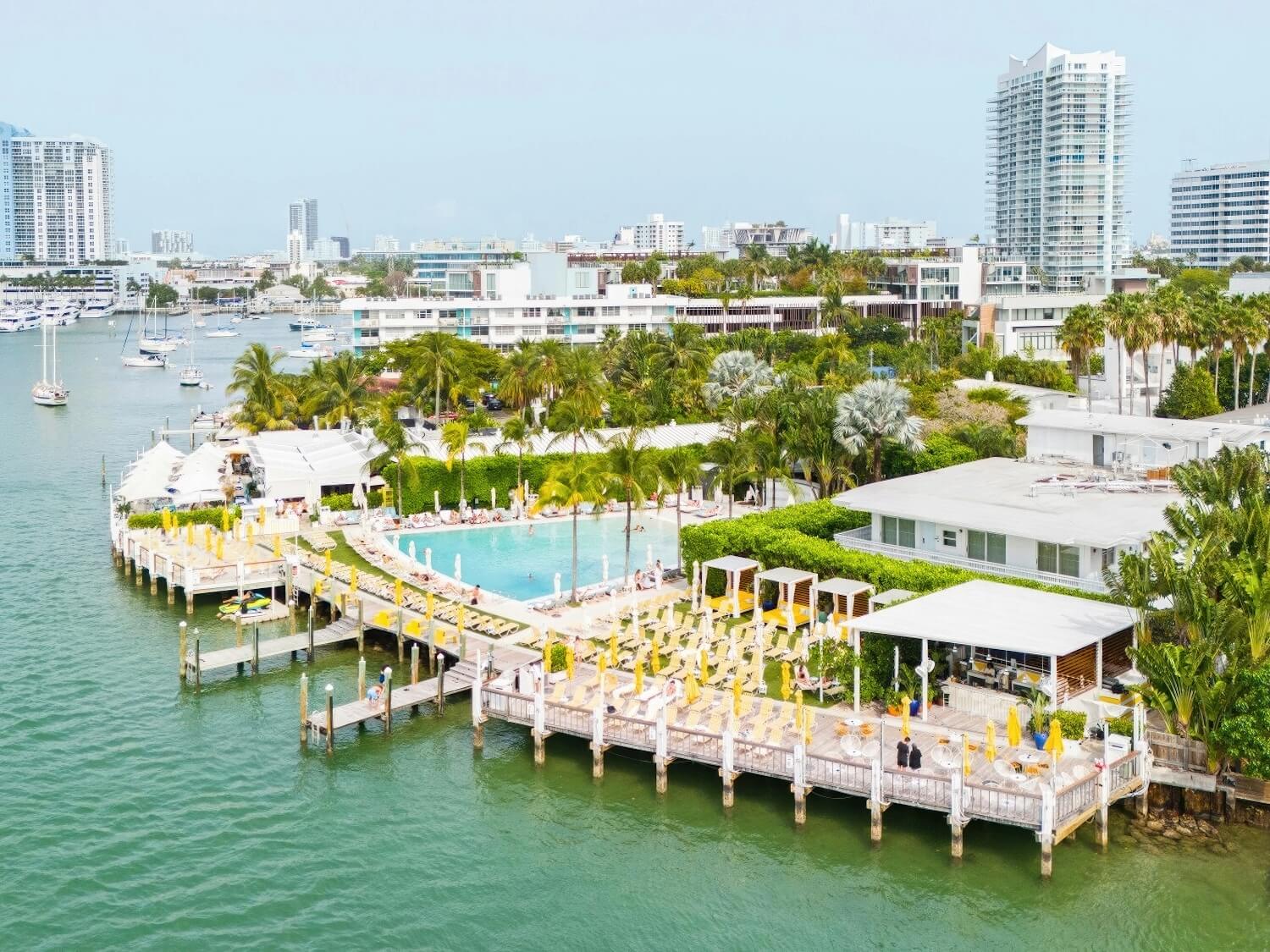 SpaRator 8.1: Outstanding
Miami
The Standard Spa, Miami Beach
Hammam
See the analysis: The Standard Spa, Miami BeachSee Live Rates: The Standard Spa, Miami Beach SpaRator 7.8: Strong
Miami
Faena Hotel Miami Beach
Hammam
See the analysis: Faena Hotel Miami BeachSee Live Rates: Faena Hotel Miami Beach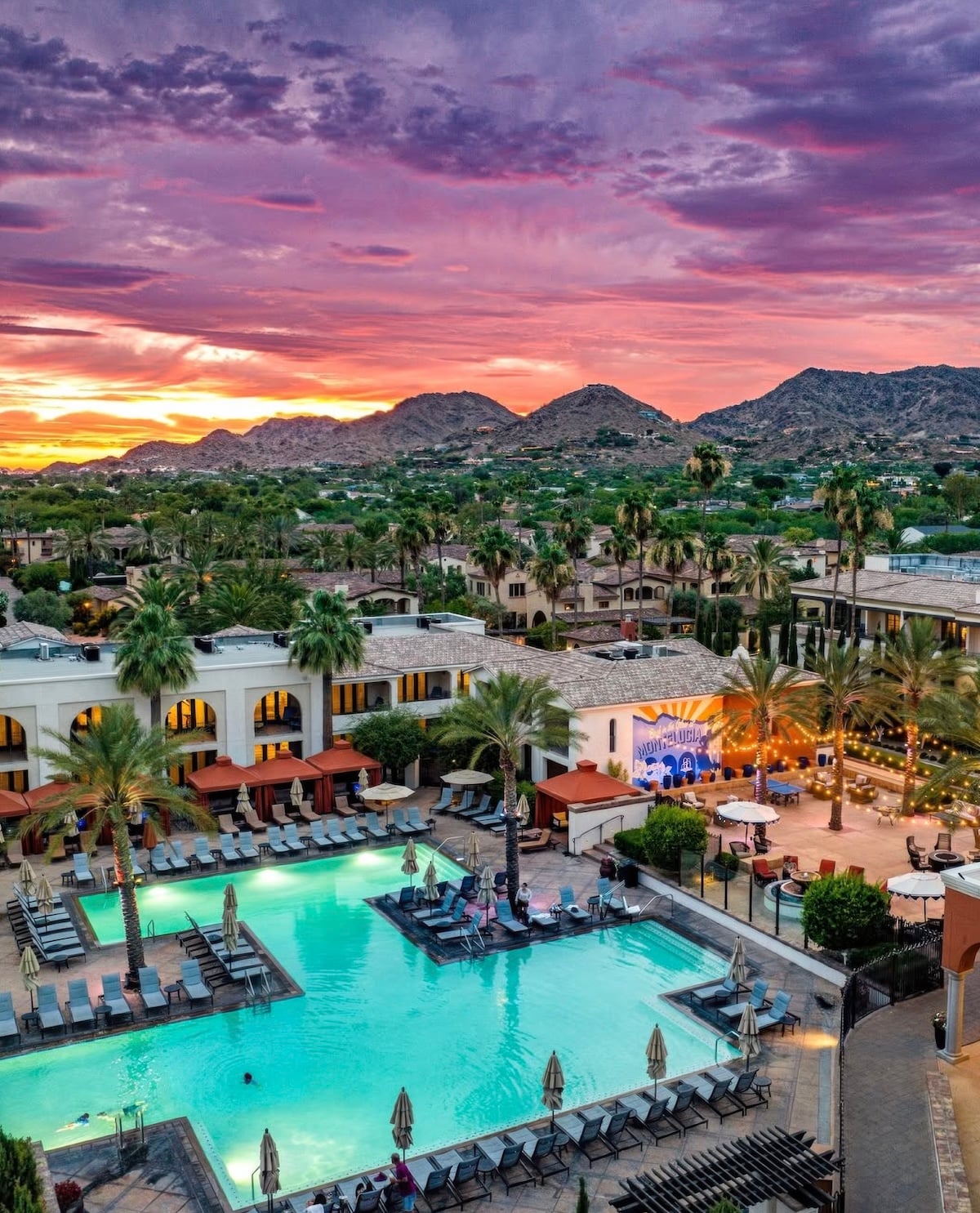 SpaRator 7.8: Strong
Scottsdale
Omni Scottsdale Resort & Spa at Montelucia
Hammam
See the analysis: Omni Scottsdale Resort & Spa at MonteluciaSee Live Rates: Omni Scottsdale Resort & Spa at Montelucia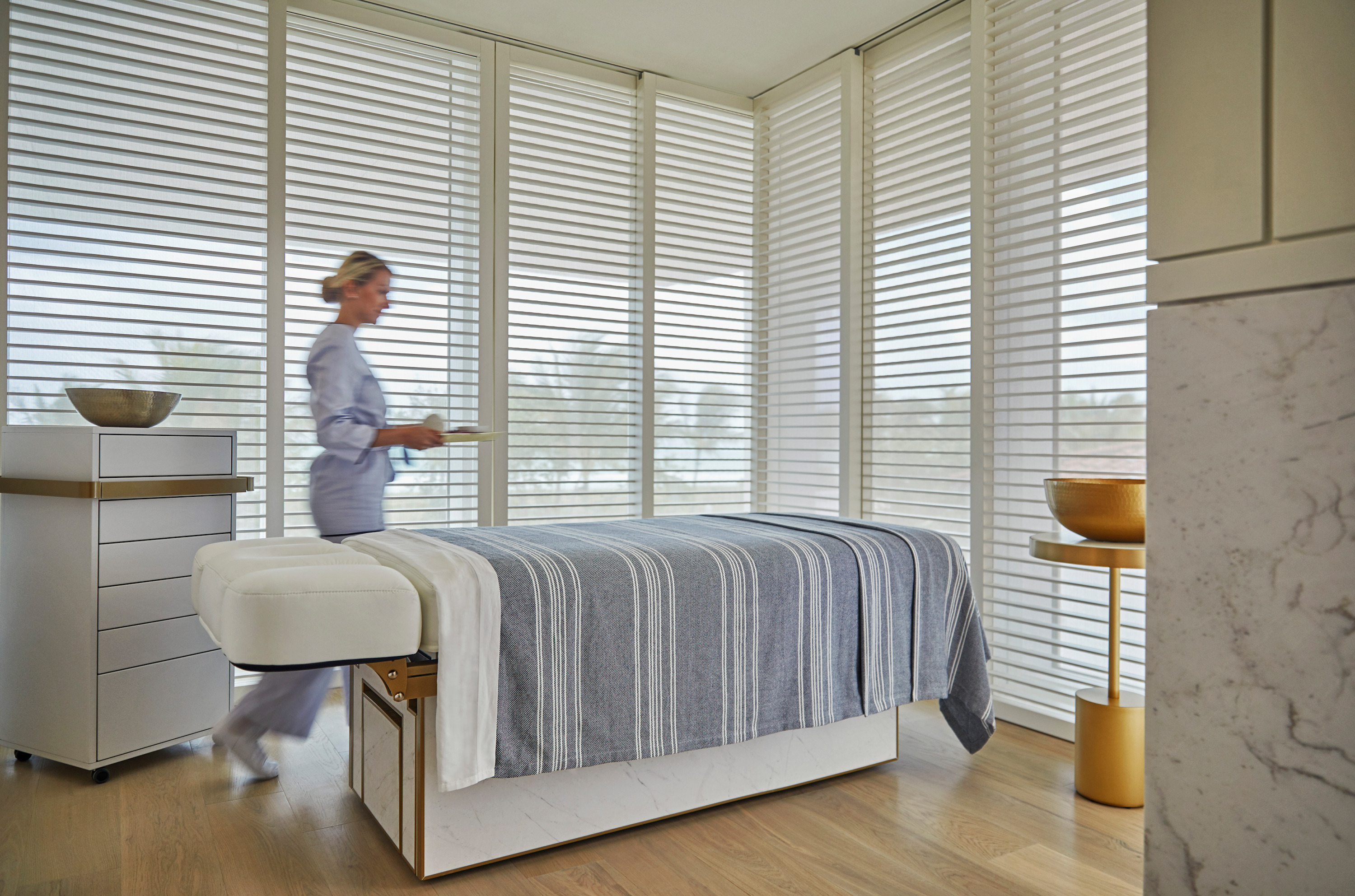 SpaRator 7.5: Strong
Miami
Four Seasons Hotel at The Surf Club
Hammam
See the analysis: Four Seasons Hotel at The Surf ClubSee Live Rates: Four Seasons Hotel at The Surf Club
Hammams in Hotel Spas: What You Actually Get on a Spa Menu
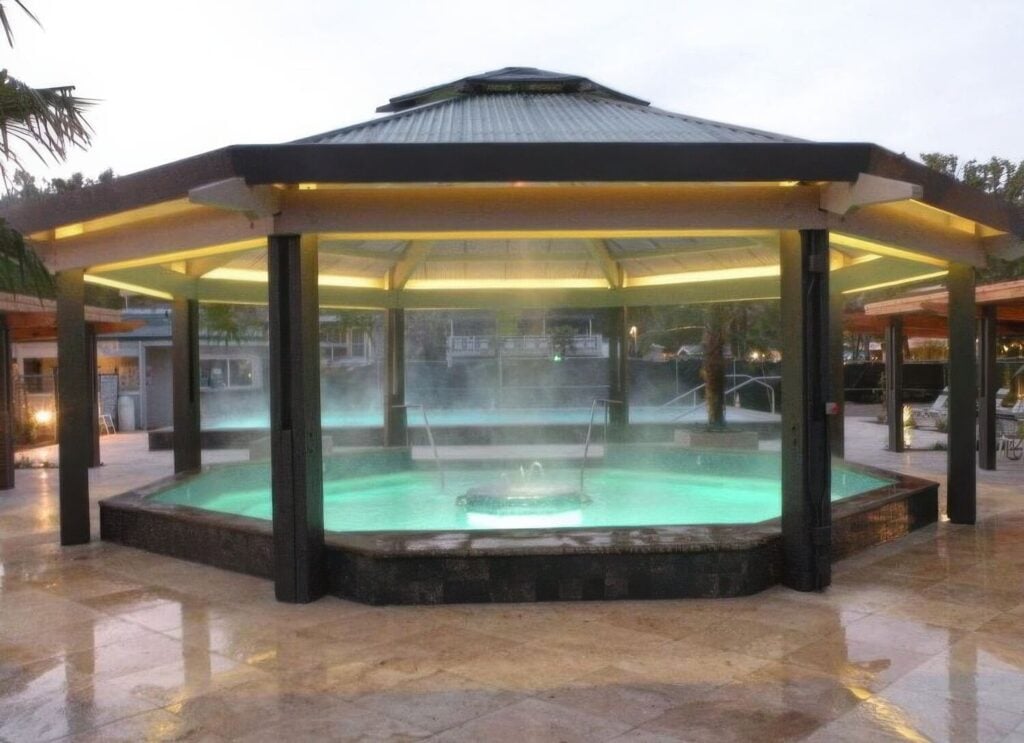
A hotel spa hammam is a private, predictable, more expensive interpretation of a communal ritual. You trade authenticity and price for a booked time slot, a therapist who speaks your language, and no uncertainty about what you are expected to remove.
The menu item usually reads as a 60 to 90 minute private treatment: steam, black soap or foam, an attended scrub, often a clay mask and an oil finish. Le Doge Hotel & Spa, a Relais & Châteaux property, built a traditional hammam into an art-deco spa as its signature offering. At the top end, the Royal Mansour Marrakech spa runs 27,000 square feet with 13 treatment rooms and two gender-separated hammams, each with its own hot, warm, and cold zones.
That spread is why the word keeps appearing on Western spa menus. Judging whether a given hotel spa is any good is the harder part, which is what our SpaRator scoring method exists to solve, alongside the rest of our spa guides library, which spans everything from the hammam to a hot-springs soak.
For a first hammam, book the hotel or tourist-facing version. Learn the sequence somewhere comfortable, then go find a neighborhood bathhouse once you know what happens and what is expected of you. If you want to start with the hotel route, Spa Hotel Finder is built to surface the properties with a genuine hammam rather than a steam room with a rebrand.
Hammam FAQs
What happens during a hammam?
You sweat in a heated humid room, then an attendant scrubs you with a coarse mitt, washes you under a blanket of soap foam, and rinses you off. The full sequence runs through a changing room, a warm room, and a hot room built around a heated marble platform, and takes about 60 to 90 minutes depending on the package you book.
What do you wear in a hammam?
It depends on the country, but you are almost never fully clothed. In Turkey, hammams are gender-separated and you wear a pestemal wrap throughout. At Moroccan hammams, underwear is standard, and tourist-facing venues provide disposable paper underwear. Western hotel spas usually allow swimwear, so bikini bottoms are the safest packing choice.
What is the difference between a spa and a hammam?
A spa is a venue offering a menu of treatments; a hammam is one specific bathing ritual that many spas now sell as a single booked treatment. A traditional hammam is also a standalone public bathhouse with no spa attached, operating as neighborhood infrastructure rather than a hotel amenity.
What is the typical cost of a hammam spa?
Prices range from about $15 at a local neighborhood hamam in Istanbul to roughly $400 at a luxury hotel spa. A basic Istanbul entry plus wash ritual costs around EUR 20, fuller packages with scrub, foam, and massage run EUR 50 to 150, and hotel spas such as Royal Mansour Marrakech charge $150 to 400 per treatment.
What is the difference between a hammam and a sauna?
A hammam is wet heat at 40 to 50 degrees C with humidity near 100 percent, and it includes an attendant-led scrub and wash. A sauna is dry heat at 70 to 100 degrees C with 10 to 20 percent humidity and no ritual component at all. You sit in a sauna. Someone works on you in a hammam.
How long does a hammam take?
About 60 to 90 minutes, depending on the package, with the scrub and foam wash accounting for roughly 20 to 30 minutes of that. Add time for tea afterward, since the cool room is part of the ritual rather than an afterthought. Popular hammams book out days ahead, so reserve early.
Is a hammam awkward if you have never been to one?
Usually only for the first ten minutes, and the awkwardness comes from not knowing the sequence rather than from the undressing. Attendants do this dozens of times a day and are unfazed. Deciding in advance how much you plan to take off removes most of the discomfort before you walk in.
4 Scored Hotels, Ranked by Score
We may earn a commission when you book through these links. It never affects a SpaRator score, and no hotel hosted or paid for this analysis. How we earn
- SpaRator 8.1: Outstanding
The Standard Spa, Miami Beach
Miami · Hammam
- SpaRator 7.8: Strong
Faena Hotel Miami Beach
Miami · Hammam
- SpaRator 7.8: Strong
Omni Scottsdale Resort & Spa at Montelucia
Scottsdale · Hammam
- SpaRator 7.5: Strong
Four Seasons Hotel at The Surf Club
Miami · Hammam
Every Hotel We Score
Every dot is one of the 102 hotels with a SpaRator score, left to right from low to high. Lit dots mark the hotels that offer this treatment. Select any dot to see the hotel's name and score.
Market
Showing 102 of 102
- Offers it
- Spa details on file, not listed
- No spa details on file yet
Hover or tap a dot to see the hotel.
No hotel here is lit yet.