
Hilton Phoenix Resort at the Peak
Spa Facials Explained: How to Choose From a Hotel Spa Menu
A hotel spa facial is really one of five treatments: classic, hydrating, anti-aging, brightening, or calming, dressed up in product-house and signature names. Choose by what your skin needs, not the printed label, and check the time tiers and add-ons before you book.
In 30 Seconds
- Across US hotel and resort spas, facials commonly run $200 to $600, with an 18 to 20% service charge often already added.
- Ask which product line runs it and how much of the appointment is hands-on, not mask set time.
- Suits anyone weighing a facial against a massage or wanting a professional skin assessment; skip it if you need a clinical result.
Facial: what our scored hotels show
scored hotels offer it
Where they sit on the field
- Offers it
- Other scored hotels
What it costs at these spas
- Lowest
- $130
- Median
- $195
- Highest
- $395
Menu prices for 50 to 60 minute sessions at 46 spas, mixed lengths
Spa details are on file for 84 of 102 scored hotels, so the count is a floor.
See where to book itA resort spa menu will show you eight facials and sell you maybe five genuinely different treatments. Spa facials get listed three ways at once: generic type names like hydrating and brightening, product-house branding like Sodashi or Guinot, and in-house signature names that mean nothing once you leave the property. The fix is the same one that works on a massage menu. Choose by the outcome you want for your skin, not by the name printed on the page.
The price is the second problem. Hotel and resort facials commonly run $200 to $600, against the $50 to $200 day-spa baseline most consumer skincare articles quote. Sea Island’s 2026 menu is a fair mid-market marker: seven adult facials spanning $160 to $470, plus the 18 to 20% service charge most resort spas apply automatically. This guide is for anyone booking around a stay, choosing between the facial and the massage, or working out whether the resort spa beats the day spa at home.
What a Hotel Spa Facial Includes
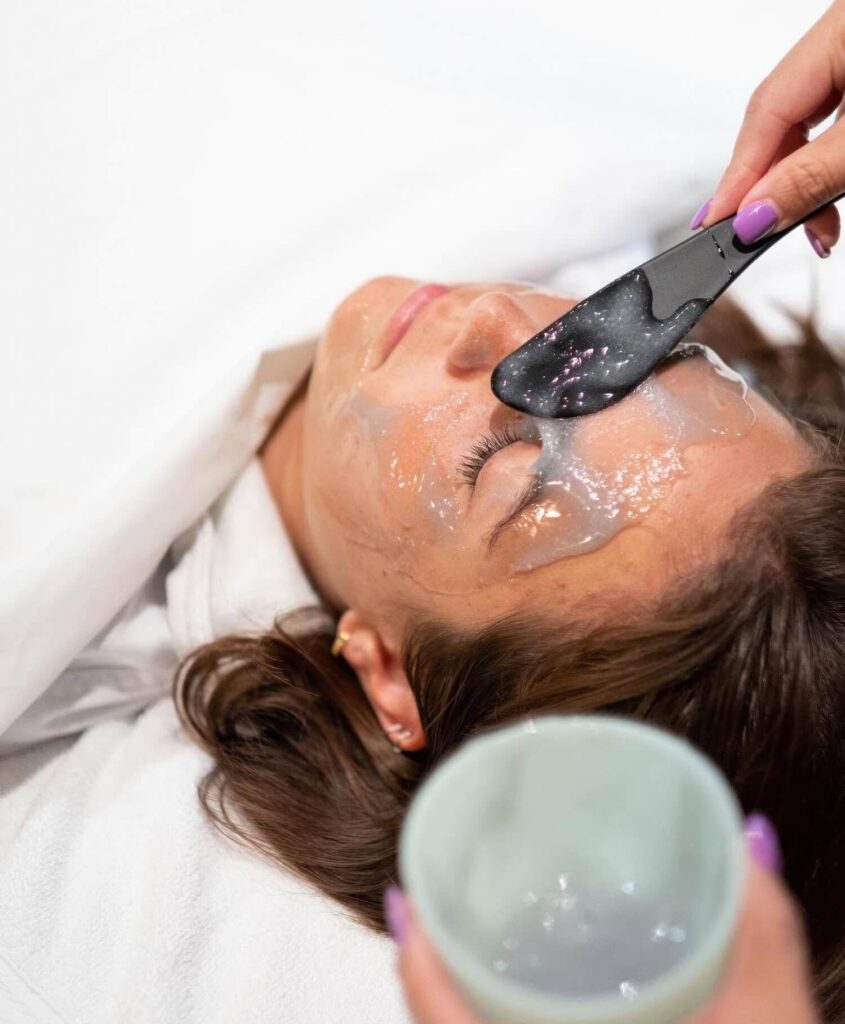
A hotel spa facial is a 50 to 90 minute treatment built from a double cleanse, exfoliation, optional extractions, a mask, facial massage, and a serum-and-SPF finish. The suspicion is still fair. You own a decent serum, so why does an hour of someone else applying products cost $250?
That protocol barely varies between properties. The second cleanse does the exfoliating, usually an enzyme powder worked in with a fan brush under steam, and a scalp massage fills the mask’s set time. The good ones finish with lip balm, because dry lips are what guests notice after an otherwise fine treatment.
The variable is the hands. One esthetician with twelve years in practice describes facial massage technique as something built over a career from in-house brand training and self-study, not handed over in school. That is why the same named facial feels different depending on which therapist you draw at one property. You are buying a trained read of your skin on the day, plus the hands.
The hotel setting adds the rest. A thermal circuit, lounge, robe and locker access wrap around the appointment, and that bundle is the structural difference between resort spa facials and a day-spa booking.
Best for: anyone who has never had their skin assessed by a professional, or whose routine has quietly stopped working.
Skip if: you want a specific clinical result on a schedule. That is a dermatology or med-spa purchase, not a hotel spa one.
How to Read a Hotel Spa Facial Menu
Four conventions run across almost every hotel spa facial menu. Learn them once and you can decode a property you have never set foot in.
“Skin care” means your face. In spa-menu language, skin care covers face, neck and decolletage only. Body exfoliation, scrubs and wraps live under a separate body care heading, alongside items like mud and clay treatments or a hammam ritual. First-timers lose time hunting for facials in the wrong column.
One product house usually runs the entire facial menu. Sense, A Rosewood Spa in London runs Sodashi across its whole facial list, split into Essential Facial Skin Care and a Lost Remedies Collection, including a pregnancy-safe Maternal Glow line. Guinot works the same way from the other direction: Age Summum, Lift Summum and Bioxygene recur across many independently branded spas that license the line. A branded signature facial is often a licensed protocol you can compare across properties, not something invented for that hotel.
Signature and seasonal are two different things. Signature is the house flagship, usually the longest and most expensive item on the page. Seasonal is a limited run, like the pumpkin enzyme facial Ascend Spa at Hotel Polaris in Colorado Springs ran through October, paired with a pumpkin candle and a matching massage. Seasonal items rotate off. Never pick a property for one.
Read the time tiers and the word “from.” Sea Island sells the same HydraFacial MD at 30, 60 and 90 minutes for $220, $355 and $470. Rosewood publishes from-pricing only. Translation? That number is the floor, not the bill.
Two questions to ask when you call: which product line runs this facial, and how many of the booked minutes are hands-on versus mask set time.
Five Classic Facials on Hotel Spa Menus
Strip the branding and the spa facials on most hotel menus resolve into five categories. Everything else is a marketing name layered over one of them.
European or classic facial. The baseline: cleanse, exfoliate, extractions, mask, massage, finish. Book this if you have never had a facial or cannot describe your skin in more than one word. Nobody warns first-timers about the extractions, which are the ten uncomfortable minutes inside an otherwise pleasant hour. If you are treating active acne rather than ordinary congestion, the American Academy of Dermatology is clear that extraction belongs with a board-certified dermatologist, not a spa menu.
Hydrating facial. The traveler’s pick. Cabin air, hotel HVAC and sun exposure leave skin dehydrated inside a day. A repeat guest at Spruce Peak in Vermont had hers finished with a Comfort Zone recovery mask and a 10% hyaluronic acid serum, the shape this treatment takes at resort tier.
Anti-aging or firming facial. The top price band almost everywhere. Guinot builds its version on Vitamin C, pro-collagen and hyaluronic acid layered for fine lines and firmness, and Sea Island’s Pro-Lift and Restore runs 90 minutes at $370. Be realistic about the payoff: days of visible firmness, not months, unless you commit to a course.
Brightening or vitamin C facial. Aimed at dullness and uneven tone, and often the cheapest branded item on the menu. Sea Island’s Sea to C sells at 30 or 60 minutes for $185 or $255, which shows how the short tier functions as an entry point rather than a lesser treatment.
Calming or soothing facial. For reactive skin, or skin already irritated by sun, chlorine or a change of climate. This is also the mid-stay safe choice, the one that will not cost you two days of your trip if your face decides to react.
Ranked by how safe each is as a blind first booking: classic, then hydrating, then calming. Book anti-aging or brightening only once you know which concern you are treating.
Which Facial Add-Ons Hotel Spas Actually Offer
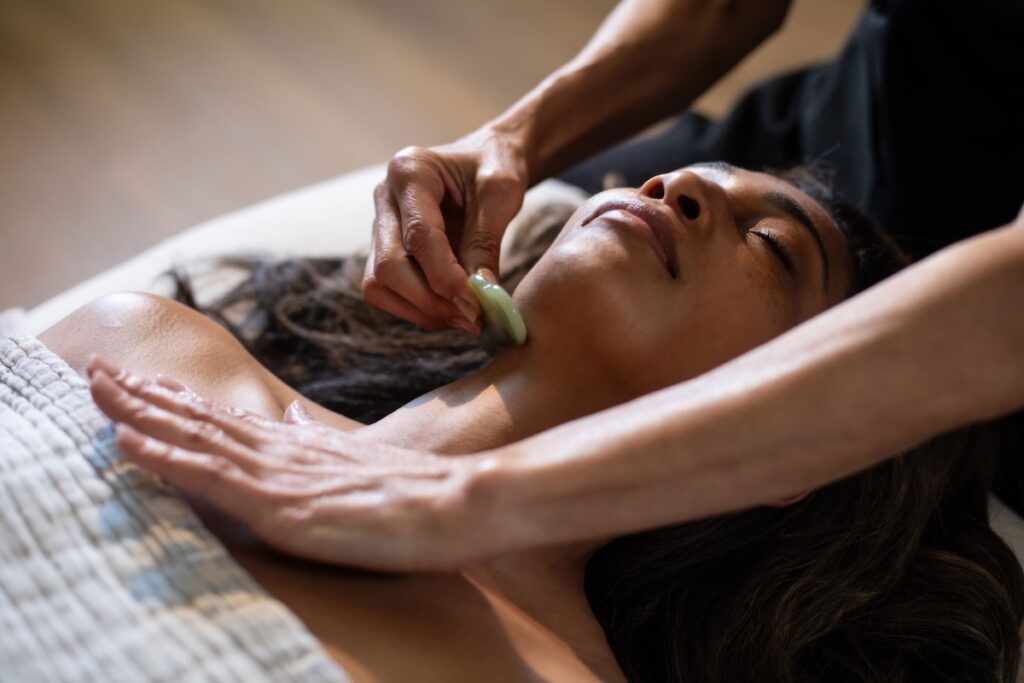
LED, oxygen infusion, micro-current and light enzyme peels almost always appear on hotel spa menus as add-ons to a base facial rather than as standalone bookings. Facial menus at unrelated properties also look templated because they are. On most major cruise lines, Viking and MSC aside, the spas run under one third-party operator, One World Spa, which is why the same add-on patterns repeat almost verbatim: micro-current electrodes and air-and-moisture infusion tools, sold on top of a base facial.
What genuinely turns up on hotel spa facials is narrower than the internet suggests. HydraFacial MD is the bridge treatment, on resort menus (Sea Island, Marriott Griffin Gate in Lexington) and med-spa menus alike. Microdermabrasion runs $130 to $210 a session at day and med spas, the baseline for the same exfoliation bundled into a resort facial.
Two caveats. A guest filmed during a device facial could not say what the tools did beyond that they felt good, a staff explanation problem rather than a treatment problem. And HydraFacial’s premium enhancement tiers cost extra beyond the base session — a detail the menu name never signals.
PRP, vampire facials and radiofrequency belong to med-spas and dermatology practices, and rarely appear on a hotel spa menu.
Say yes to an add-on that targets the concern you booked for. Decline the one pitched at the bed as a plumping finish.
How to Pick a Facial by Skin Concern
Hotel spa menus list facials by treatment name, not by symptom, so booking well means translating what your skin is doing into what the menu calls it. Skin stops behaving on the road. Three flights, a new climate, pool chlorine and a week of hotel air will do things to your face that never happen at home.
| What your skin is doing | Book | Skip |
|---|---|---|
| Tight, flaky and dull after a flight or a dry climate | Hydrating | Anything with “resurfacing” or “peel” in the name |
| Dull and uneven after screens and short nights | Brightening or vitamin C | Deep exfoliation if you are heading straight to a pool or beach |
| Congested or breaking out from heat, humidity or sunscreen | Classic European facial with extractions | Anti-aging, which is the wrong product weight |
| Fine lines and slackness you want softened before an event | Anti-aging or firming, booked two days ahead | Booking it the morning of |
| Red, reactive or stinging after sun, chlorine or a climate change | Calming | Extractions, and acids entirely |
| Sunburned or peeling | Nothing on the face. Move to a scalp or body treatment | The whole facial menu until it settles |
Describe the concern rather than the treatment name when you call, and expect the esthetician to reassess at the bed and possibly switch the protocol. That is the feature you are paying for, not a bait and switch.
In genuine doubt, book the classic 60-minute facial and let the esthetician choose the actives.
Where to try it
Scored Hotels with Facials
These are today's SpaRator scores for hotels that offer it, highest score first.
We may earn a commission when you book through these links. It never affects a SpaRator score, and no hotel hosted or paid for this analysis. How we earn
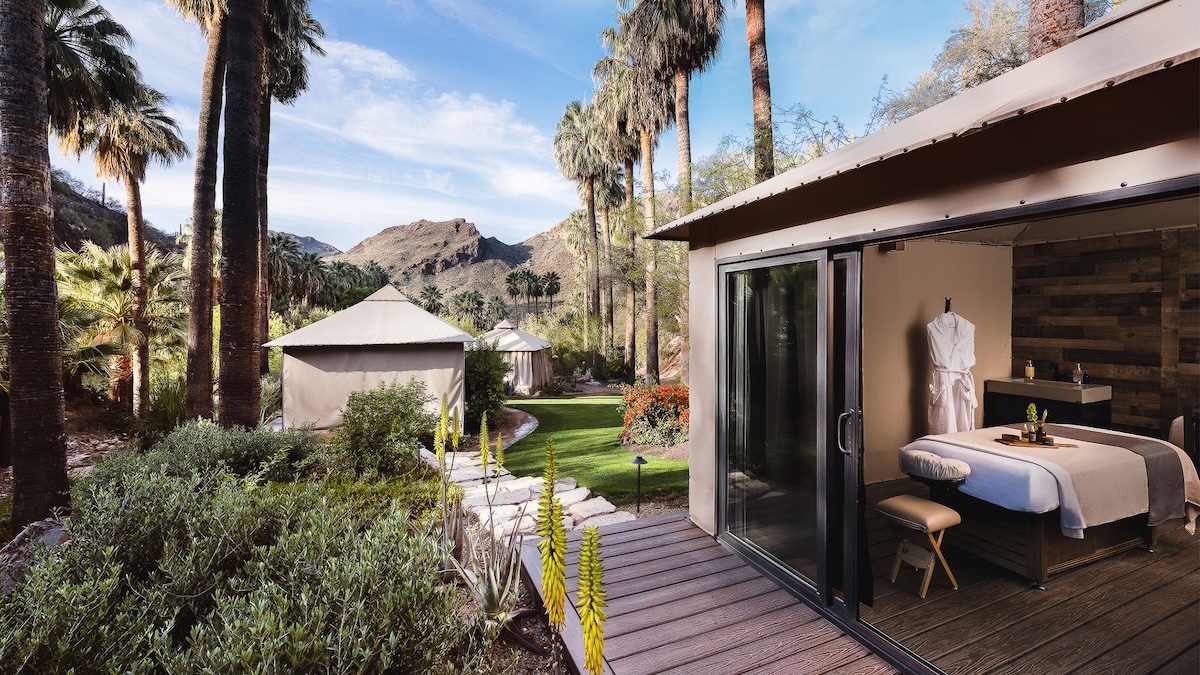 SpaRator 8.5: Outstanding
Phoenix
Castle Hot Springs
- 60 min$255
- 90 min$385
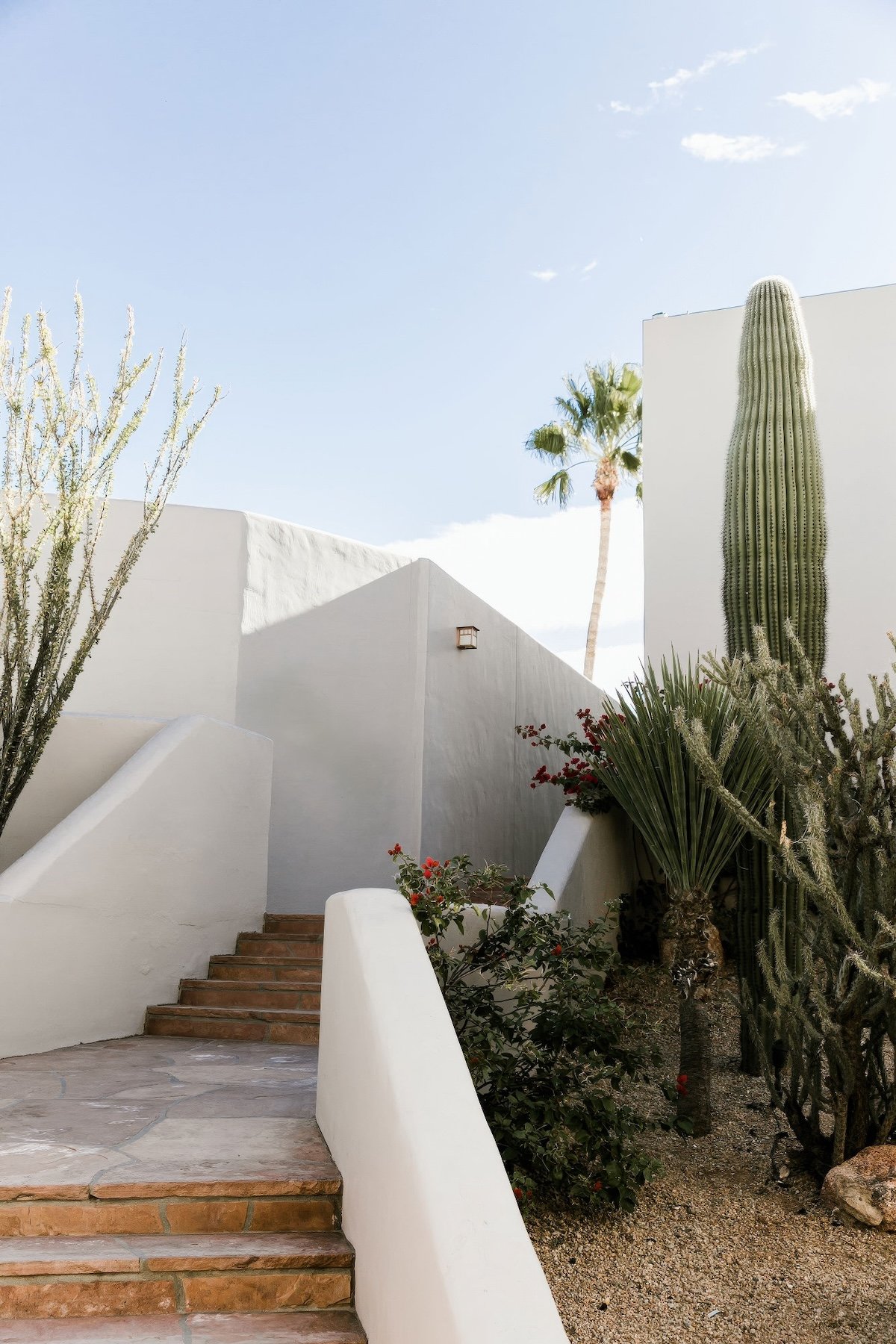 SpaRator 8.1: Outstanding
Scottsdale
CIVANA Wellness Resort and Spa
- 60 min$215 to $270
- 120 min$435
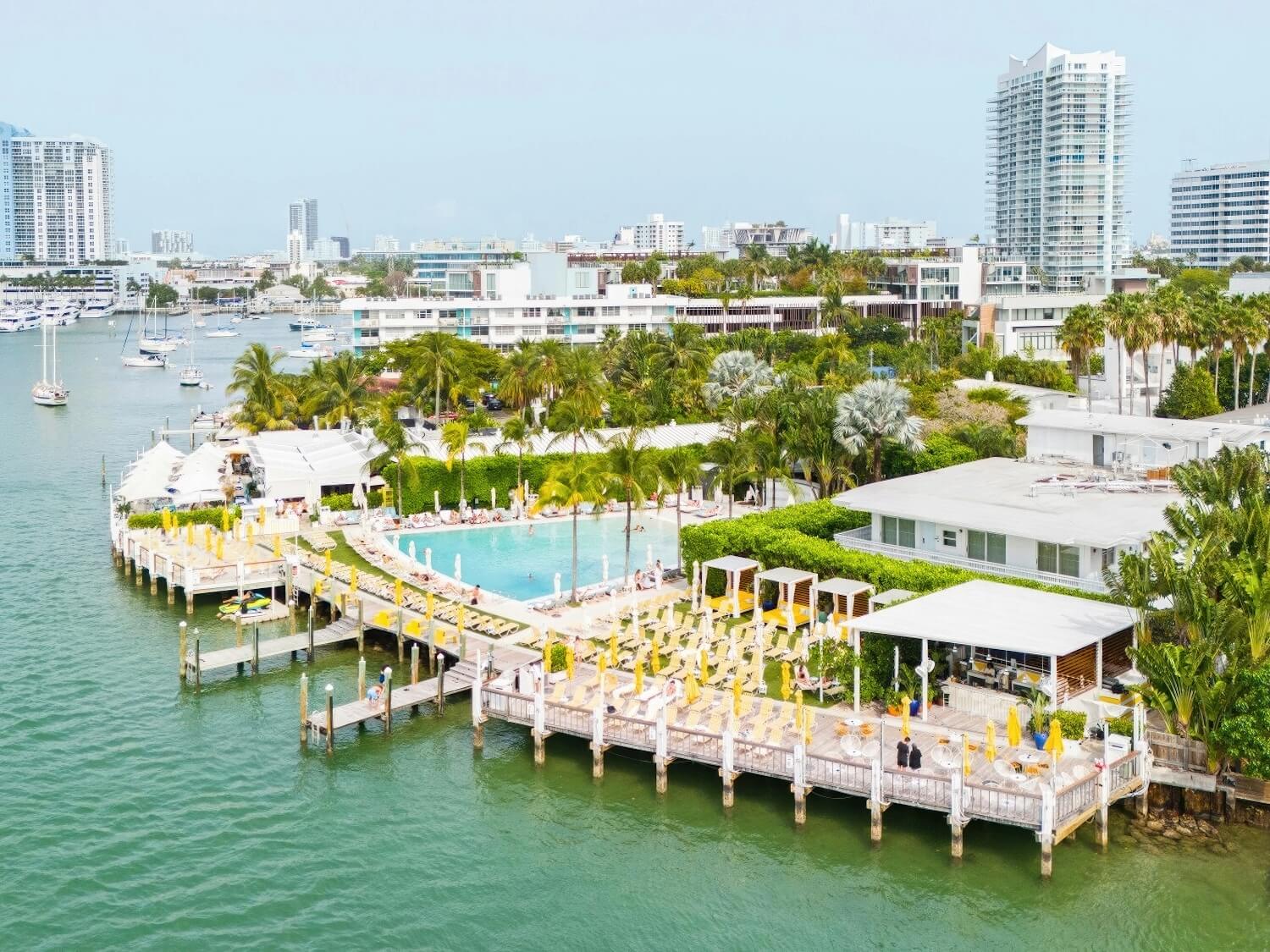 SpaRator 8.1: Outstanding
Miami
The Standard Spa, Miami Beach
- 60 to 90 min$245 to $365
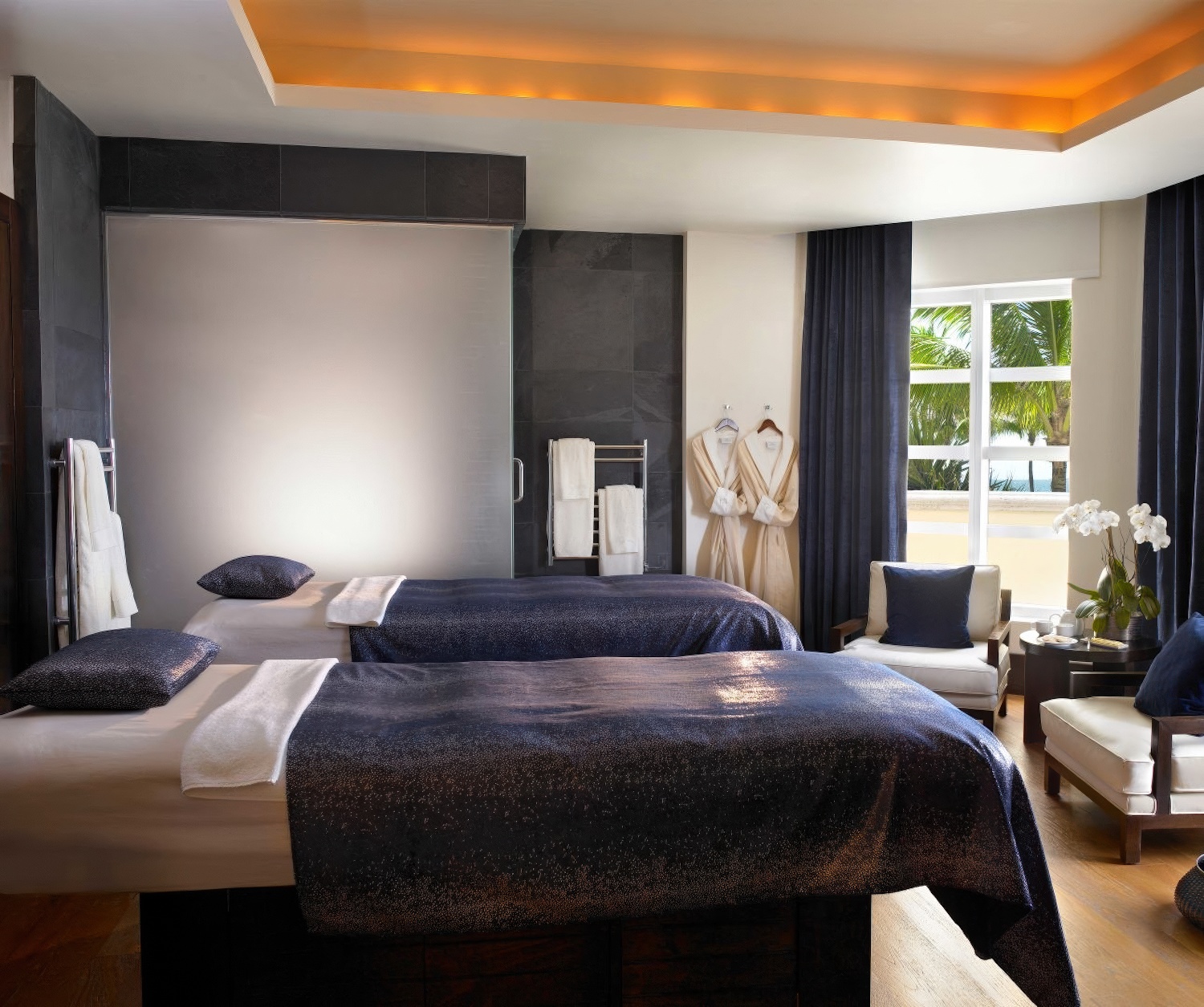 SpaRator 8.0: Outstanding
Miami
Acqualina Resort & Residences
- 30 to 90 min$265 to $540
 SpaRator 7.8: Strong
Miami
Faena Hotel Miami Beach
- 60 to 120 min$320 to $895
 SpaRator 7.8: Strong
Scottsdale
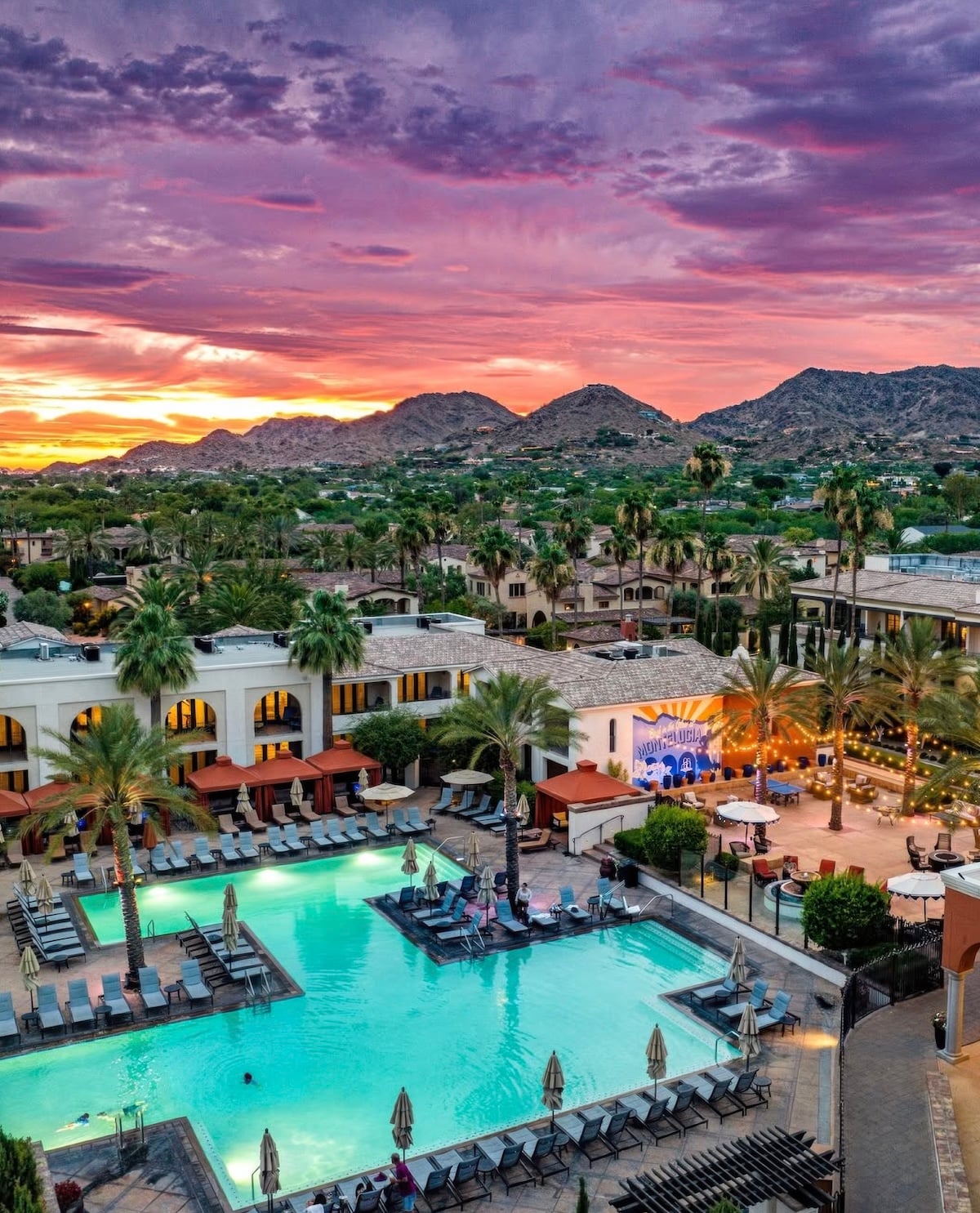
Omni Scottsdale Resort & Spa at Montelucia
- 50 min$225 to $340
- 80 min$340 to $505
 SpaRator 7.8: Strong
Phoenix
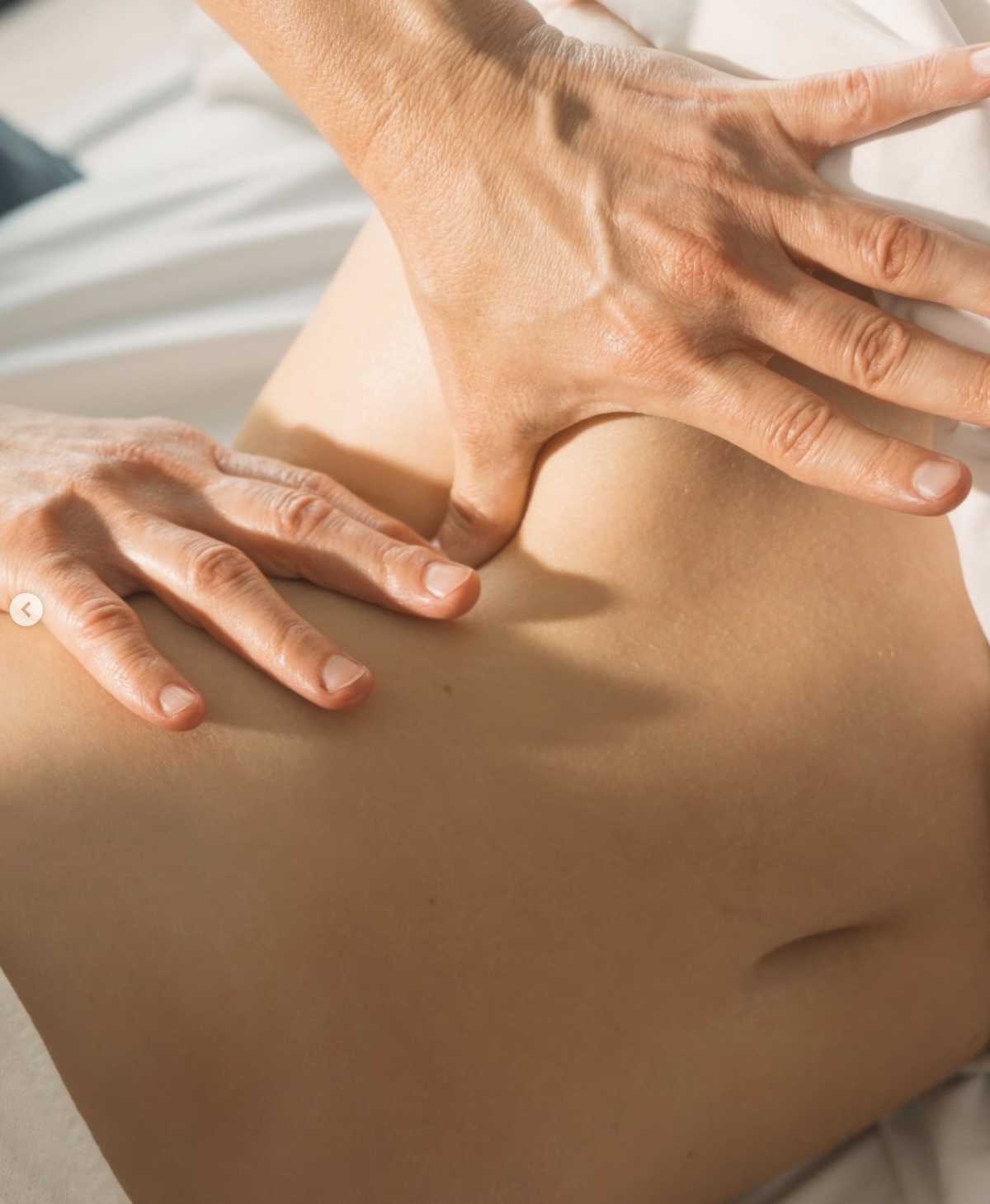
The Global Ambassador
- 60 min$265 to $370
- 90 min$390 to $550
 SpaRator 7.7: Strong
Tucson
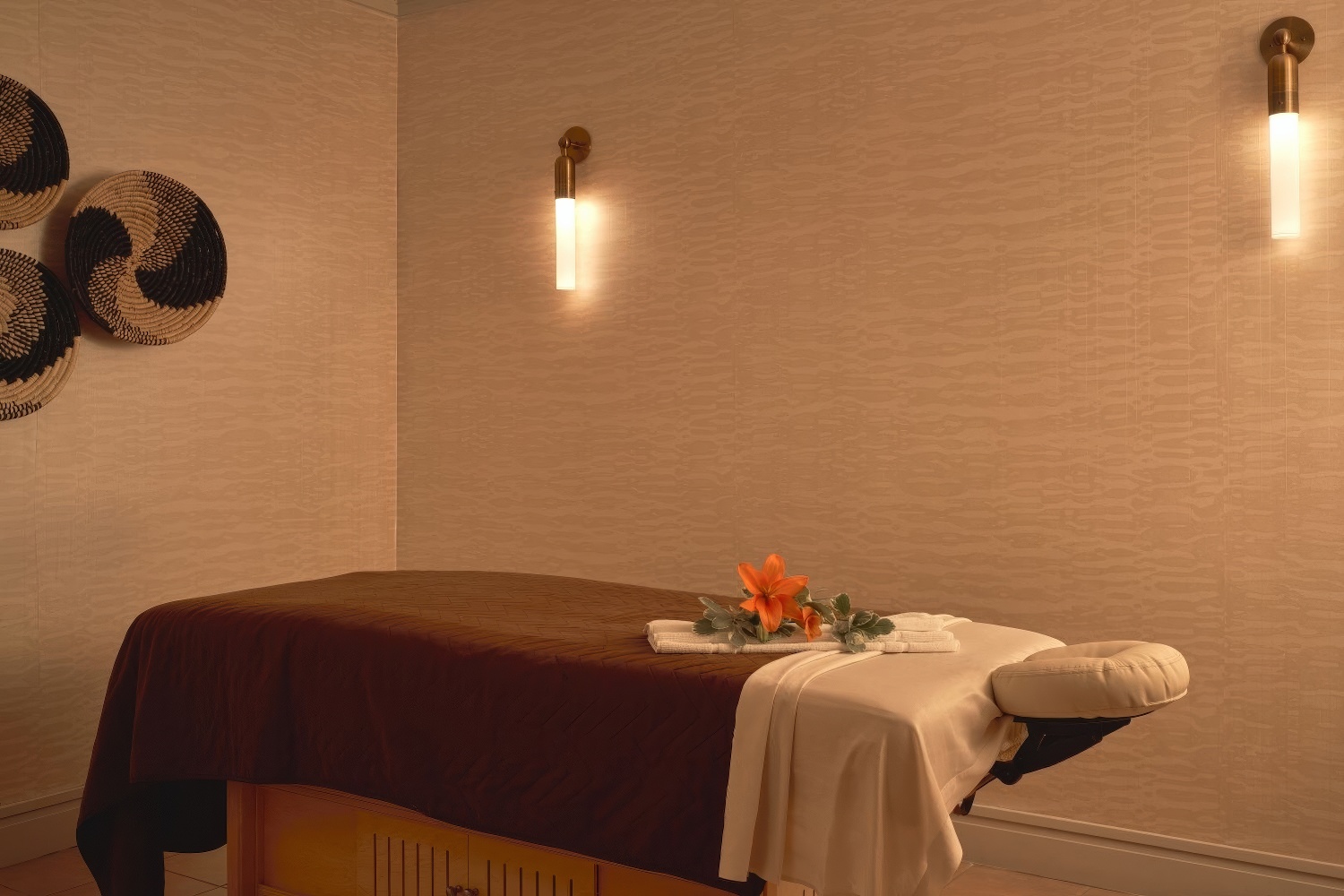
Loews Ventana Canyon Resort
- 25-50 min$95 to $210
 SpaRator 7.7: Strong
Naples
Naples Beach Club, A Four Seasons Resort
- 50 min$280 to $375
- 100 min$650 to $750
 SpaRator 7.6: Strong
Miami
1 Hotel South Beach
- 50 min$215 to $295
- 80 min$285 to $395
What a Facial Costs at a Hotel Spa
Most articles about spa facials quote $50 to $200. That is the day-spa band, and budgeting from it at a resort surprises people at checkout. Hotel and resort spa facials commonly run $200 to $600.
| Property | Treatment | Price |
|---|---|---|
| Sea Island | Sea Island Facial, 60 / 90 min | $270 / $405 |
| Eau Palm Beach | Valmont facial, 90 min | $405 |
| Willows Lodge (WA) | Yon-Ka facial, 90 min | $300 plus tax |
| Sense, A Rosewood Spa (London) | Sodashi facials | From £140 to £255 |
Prices as published at time of writing; verify at booking.
The service charge is where budgets break. Resort and hotel spas typically auto-add 18 to 20%, while standalone day spas expect you to tip 15 to 20% yourself. Read the receipt before you add anything, or you tip twice.
The price comes down in three predictable places. Local promotional pricing: Hotel Polaris runs a recurring $99 Facial Friday to build local repeat traffic, Plume Spa at Black Desert discounts its men’s facial 20%, and Marriott Griffin Gate sells a monthly membership to residents. Shorter time tiers: Sea Island’s 30-minute Sea to C at $185 against $255 for the 60. And packages, usually the cheaper route to two treatments: Rosewood’s Sense Signature bundles 120 minutes of massage plus a facial from £250.
The verdict: worth the premium when amenity access and same-day convenience are part of what you came for. Poor value when you want the treatment alone; a day spa at home does the same job for a third of the price.
What a Minute Costs
The lowest listed price for a 50 to 60 minute session, divided by the minutes.
SpaRator 8.5: OutstandingCastle Hot Springs
$4.25 a minute$255 for 60 min
SpaRator 8.1: OutstandingCIVANA Wellness Resort and Spa
$3.58 a minute$215 for 60 min
SpaRator 7.8: StrongOmni Scottsdale Resort & Spa at Montelucia
$4.50 a minute$225 for 50 min
SpaRator 7.8: StrongThe Global Ambassador
$4.42 a minute$265 for 60 min
SpaRator 7.7: StrongNaples Beach Club, A Four Seasons Resort
$5.60 a minute$280 for 50 min
SpaRator 7.6: Strong1 Hotel South Beach
$4.30 a minute$215 for 50 min
Show 40 moreShow fewer
SpaRator 7.6: StrongArizona Biltmore, LXR Hotels & Resorts
$4.30 a minute$215 for 50 min
SpaRator 7.5: StrongGrand Hyatt Scottsdale Resort
$4.00 a minute$240 for 60 min
SpaRator 7.5: StrongThe Canyon Suites at The Phoenician
$4.70 a minute$235 for 50 min
SpaRator 7.4: SolidVentana Canyon Club and Lodge
$2.60 a minute$130 for 50 min
SpaRator 7.3: SolidSheraton Grand at Wild Horse Pass
$4.30 a minute$215 for 50 min
SpaRator 7.2: SolidAndaz Scottsdale Resort & Bungalows
$3.50 a minute$210 for 60 min
SpaRator 7.2: SolidHotel Valley Ho
$2.92 a minute$175 for 60 min
SpaRator 7.2: SolidLaPlaya Beach & Golf Resort
$3.70 a minute$185 for 50 min
SpaRator 7.2: SolidThe Wilde Resort & Spa
$3.50 a minute$210 for 60 min
SpaRator 7.1: SolidArizona Grand Resort & Spa
$2.98 a minute$149 for 50 min
SpaRator 7.1: SolidInn on Fifth
$3.50 a minute$175 for 50 min
SpaRator 7.1: SolidJW Marriott Marco Island Beach Resort
$4.00 a minute$200 for 50 min
SpaRator 7.0: SolidADERO Scottsdale Resort, Autograph Collection
$3.38 a minute$169 for 50 min
SpaRator 7.0: SolidBoulders Resort & Spa Scottsdale, Curio Collection by Hilton
$4.50 a minute$225 for 50 min
SpaRator 7.0: SolidJW Marriott Phoenix Desert Ridge Resort & Spa
$4.28 a minute$214 for 50 min
SpaRator 7.0: SolidPlaya Largo Resort & Spa, Autograph Collection
$3.60 a minute$180 for 50 min
SpaRator 7.0: SolidRoyal Palms Resort and Spa
$4.40 a minute$220 for 50 min
SpaRator 6.9: ModestHyatt Regency Coconut Point Resort & Spa
$3.60 a minute$180 for 50 min
SpaRator 6.9: ModestIsla Bella Beach Resort & Spa
$3.70 a minute$185 for 50 min
SpaRator 6.8: ModestSunset Key Cottages
$3.60 a minute$180 for 50 min
SpaRator 6.8: ModestThe Phoenician, a Luxury Collection Resort, Scottsdale
$4.70 a minute$235 for 50 min
SpaRator 6.7: ModestThe Scott Resort & Spa, Scottsdale
$3.50 a minute$175 for 50 min
SpaRator 6.6: ModestCheeca Lodge & Spa
$4.00 a minute$200 for 50 min
SpaRator 6.6: ModestLittle Palm Island
$4.80 a minute$240 for 50 min
SpaRator 6.5: ModestHawks Cay Resort
$3.70 a minute$185 for 50 min
SpaRator 6.5: ModestHilton Phoenix Resort at the Peak
$3.90 a minute$195 for 50 min
SpaRator 6.5: ModestHilton Phoenix Tapatio Cliffs Resort
$3.00 a minute$150 for 50 min
SpaRator 6.5: ModestHyatt Centric Key West Resort & Spa
$2.80 a minute$140 for 50 min
SpaRator 6.5: ModestOcean Key Resort & Spa
$3.20 a minute$160 for 50 min
SpaRator 6.5: ModestPier House Resort & Spa
$3.30 a minute$165 for 50 min
SpaRator 6.4: ModestBungalows Key Largo
$3.90 a minute$195 for 50 min
SpaRator 6.4: ModestKimpton Miralina Resort and Villas
$3.98 a minute$199 for 50 min
SpaRator 6.4: ModestScottsdale Camelback Resort
$3.00 a minute$150 for 50 min
SpaRator 6.4: ModestW Scottsdale
$3.20 a minute$160 for 50 min
SpaRator 6.3: ModestNaples Grande Beach Resort
$3.30 a minute$165 for 50 min
SpaRator 6.0: ModestBaker's Cay Resort Key Largo
$3.20 a minute$160 for 50 min
SpaRator 6.0: ModestSouthernmost Beach Resort
$3.40 a minute$170 for 50 min
SpaRator 6.0: ModestTranquility Bay Beachfront Resort
$3.50 a minute$175 for 50 min
SpaRator 5.6: LimitedCasa Marina Key West
$4.20 a minute$210 for 50 min
SpaRator 5.3: LimitedThe Reach Key West, Curio Collection by Hilton
$4.20 a minute$210 for 50 min
Median $3.70 a minute
| Hotel | Menu type | Session | Price | Per minute |
|---|---|---|---|---|
| Castle Hot Springs | Facial | 60 min | $255 | $4.25 |
| CIVANA Wellness Resort and Spa | Facial | 60 min | $215 | $3.58 |
| Omni Scottsdale Resort & Spa at Montelucia | Facial | 50 min | $225 | $4.50 |
| The Global Ambassador | Facial | 60 min | $265 | $4.42 |
| Naples Beach Club, A Four Seasons Resort | Facial | 50 min | $280 | $5.60 |
| 1 Hotel South Beach | Facials | 50 min | $215 | $4.30 |
| Arizona Biltmore, LXR Hotels & Resorts | Facial | 50 min | $215 | $4.30 |
| Grand Hyatt Scottsdale Resort | Facial | 60 min | $240 | $4.00 |
| The Canyon Suites at The Phoenician | Facial | 50 min | $235 | $4.70 |
| Ventana Canyon Club and Lodge | Facials | 50 min | $130 | $2.60 |
| Sheraton Grand at Wild Horse Pass | Facial | 50 min | $215 | $4.30 |
| Andaz Scottsdale Resort & Bungalows | Facial | 60 min | $210 | $3.50 |
| Hotel Valley Ho | Facial | 60 min | $175 | $2.92 |
| LaPlaya Beach & Golf Resort | Facial | 50 min | $185 | $3.70 |
| The Wilde Resort & Spa | Facials | 60 min | $210 | $3.50 |
| Arizona Grand Resort & Spa | Facial | 50 min | $149 | $2.98 |
| Inn on Fifth | Facial | 50 min | $175 | $3.50 |
| JW Marriott Marco Island Beach Resort | Facial | 50 min | $200 | $4.00 |
| ADERO Scottsdale Resort, Autograph Collection | Facial | 50 min | $169 | $3.38 |
| Boulders Resort & Spa Scottsdale, Curio Collection by Hilton | Facial | 50 min | $225 | $4.50 |
| JW Marriott Phoenix Desert Ridge Resort & Spa | Facial | 50 min | $214 | $4.28 |
| Playa Largo Resort & Spa, Autograph Collection | Facial | 50 min | $180 | $3.60 |
| Royal Palms Resort and Spa | Facial | 50 min | $220 | $4.40 |
| Hyatt Regency Coconut Point Resort & Spa | Facial | 50 min | $180 | $3.60 |
| Isla Bella Beach Resort & Spa | Facial | 50 min | $185 | $3.70 |
| Sunset Key Cottages | Facials | 50 min | $180 | $3.60 |
| The Phoenician, a Luxury Collection Resort, Scottsdale | Facial | 50 min | $235 | $4.70 |
| The Scott Resort & Spa, Scottsdale | Facial | 50 min | $175 | $3.50 |
| Cheeca Lodge & Spa | Luxury Facials | 50 min | $200 | $4.00 |
| Little Palm Island | Facial Indulgences | 50 min | $240 | $4.80 |
| Hawks Cay Resort | Facial | 50 min | $185 | $3.70 |
| Hilton Phoenix Resort at the Peak | Facial | 50 min | $195 | $3.90 |
| Hilton Phoenix Tapatio Cliffs Resort | Facial | 50 min | $150 | $3.00 |
| Hyatt Centric Key West Resort & Spa | Facial | 50 min | $140 | $2.80 |
| Ocean Key Resort & Spa | Facial | 50 min | $160 | $3.20 |
| Pier House Resort & Spa | Facial | 50 min | $165 | $3.30 |
| Bungalows Key Largo | Facial | 50 min | $195 | $3.90 |
| Kimpton Miralina Resort and Villas | Facial | 50 min | $199 | $3.98 |
| Scottsdale Camelback Resort | Facial | 50 min | $150 | $3.00 |
| W Scottsdale | Facial | 50 min | $160 | $3.20 |
| Naples Grande Beach Resort | Facial | 50 min | $165 | $3.30 |
| Baker's Cay Resort Key Largo | Facial | 50 min | $160 | $3.20 |
| Southernmost Beach Resort | Facial | 50 min | $170 | $3.40 |
| Tranquility Bay Beachfront Resort | Facial | 50 min | $175 | $3.50 |
| Casa Marina Key West | Facials | 50 min | $210 | $4.20 |
| The Reach Key West, Curio Collection by Hilton | Facials | 50 min | $210 | $4.20 |
Where a Facial Fits in a Spa Day
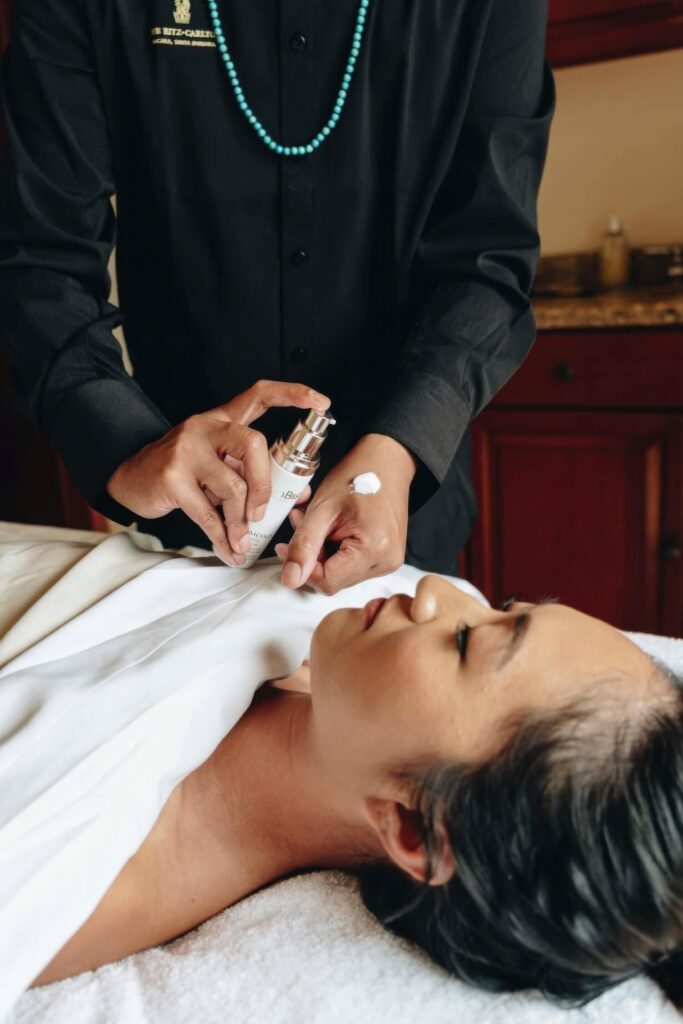
Most guests book spa facials alongside a massage and a day pass, then run the day in the wrong order. Sequence matters more than the individual bookings.
Arrive 60 to 90 minutes before your first appointment and take the thermal circuit first, alternating hot and cold at roughly ten minutes a station, never more than fifteen. The massage or heavier bodywork comes next, since warmed muscles respond better. Our guide to the types of spa massage covers what each modality does.
Then the facial, as a second or later service rather than straight after heavy bodywork. Close on pool or lounge time rather than a treatment, with 15 to 30 minutes of unstructured rest between stages so the day does not run like an assembly line.
One guest’s day at the Loews Miami Beach spa ran couple’s massage, relaxation lounge, steam room, cold pool and jacuzzi rounds, then a HydraFacial last, across roughly seven hours. Spruce Peak’s posted healing lodge sequence is the same logic: cool rain shower, jacuzzi, cool down, herbal steam, cool down, dry sauna, hydrate.
Most hotel spa day passes sell thermal and relaxation floor access as the base product, with treatments billed separately. The pass does not cover your facial.
Book the facial last and take the extra hour up front. The thermal circuit is, quite simply, the part you already paid for and almost nobody uses fully.
How to Book a Hotel Spa Facial
A hotel stay is not required to book a facial at many US resort spas. Spa directors at Hotel Polaris in Colorado Springs and Marriott Griffin Gate in Lexington both confirm it on record, with reservations open to local day visitors and a monthly membership at Griffin Gate. Policy is property by property, so check the spa’s own page first, whether you book in Scottsdale, Naples or anywhere else. What guest status changes is the surrounding access: pool hours, locker and lounge use, and whether a day-pass fee applies.
Book early, and book the awkward slot. Resort spa facials fill fast on weekends and in peak season, and an early-morning weekday appointment is the reliable way to get a quiet spa and an unhurried esthetician. State any therapist gender preference when you book, not when you arrive.
Prep is short. Go easy on caffeine, skip the heavy meal, remove makeup including mascara before you arrive, and turn up on time, since lateness actually comes out of your own treatment minutes rather than the next guest’s.
Check the bill before you tip. The 18 to 20% service charge is usually already there, and package bookings often include it.
Best for: the first weekday morning slot of your stay.
Skip if: your only free day is a flight day. Extractions and actives can leave skin reactive for a few hours.
Hotel Spa Facial FAQs
Do I have to undress for a facial?
No. A facial is the lowest-vulnerability treatment on a spa menu, and you can keep your shirt on. One first-time cruise spa guest picked it for that reason after years of avoiding spas over body-image anxiety, and it worked.
Can men get facials at a hotel spa, and does a beard get in the way?
Yes, and no. Estheticians work around any facial-hair style, and some resorts push the category: Plume Spa at Black Desert Resort discounts its men’s facial 20%, often around Father’s Day. That treatment includes scalp, neck and shoulder massage as standard, not as paid add-ons.
Should I book a facial or a massage if I can only book one?
Book the massage if you arrived stiff from travel or want to feel rested. Book the facial if your skin is visibly unhappy or a full-body treatment puts you off. If you can fit both, use the spa-day sequence above.
Will my skin look worse after a facial?
Sometimes, briefly. Extractions and exfoliation can leave redness for a few hours, occasionally into the next morning. Which is why an anti-aging facial belongs two days before the dinner, not the morning of. Plan around it and it is a non-issue.
How often should you get a facial?
Every four to six weeks is the standard professional cadence, timed to the skin’s turnover cycle. For a traveler, a facial is usually a one-off attached to a stay. A single resort facial is not a skincare program, and that is fine.
Is a hotel spa facial worth it if I already have a good routine at home?
Yes, for two things your bathroom cabinet cannot deliver: a professional assessment of what your skin is doing now, and extractions done properly. The full breakdown is above.
Can I get a facial while pregnant?
Usually yes, with a pregnancy-specific protocol. Sea Island lists a dedicated Pregnancy Facial at 60 or 90 minutes ($270 / $405), and Sodashi runs a pregnancy-safe Maternal Glow line, so the option is standard at this tier. Declare it when you book, not at the door.
60 Scored Hotels, Ranked by Score
We may earn a commission when you book through these links. It never affects a SpaRator score, and no hotel hosted or paid for this analysis. How we earn
- SpaRator 8.5: Outstanding
Castle Hot Springs
Phoenix
- $255 60 min
- $385 90 min
- SpaRator 8.1: Outstanding
CIVANA Wellness Resort and Spa
Scottsdale
- $215 to $270 60 min
- $435 120 min
- SpaRator 8.1: Outstanding
- $245 to $365 60 to 90 min
- SpaRator 8.0: Outstanding
- $265 to $540 30 to 90 min
- SpaRator 7.8: Strong
- $320 to $895 60 to 120 min
- SpaRator 7.8: Strong
- $225 to $340 50 min
- $340 to $505 80 min
Show all 60 hotelsShow fewer hotels
- SpaRator 7.8: Strong
The Global Ambassador
Phoenix
- $265 to $370 60 min
- $390 to $550 90 min
- SpaRator 7.7: Strong
- $95 to $210 25-50 min
- SpaRator 7.7: Strong
- $280 to $375 50 min
- $650 to $750 100 min
- SpaRator 7.6: Strong
1 Hotel South Beach
Miami
- $215 to $295 50 min
- $285 to $395 80 min
- SpaRator 7.6: Strong
- $200 25 min
- $215 to $305 50 min
- SpaRator 7.5: Strong
Canyon Ranch Tucson
Tucson
- $220 to $550 25 to 100 min
- SpaRator 7.5: Strong
- $275 to $595 60 to 90 min
- SpaRator 7.5: Strong
Grand Hyatt Scottsdale Resort
Scottsdale
- $165 to $225 30 min
- $240 to $325 60 min
- SpaRator 7.5: Strong
The Canyon Suites at The Phoenician
Scottsdale
- $235 to $310 50 min
- $335 to $425 80 min
- SpaRator 7.4: Solid
Four Seasons Resort Scottsdale
Scottsdale
- $225 to $650 30 to 120 min
- SpaRator 7.4: Solid
- $295 to $1,300 60 to 120 min
- SpaRator 7.4: Solid
- $130 50 min
- $160 to $180 80 min
- SpaRator 7.3: Solid
- $225 to $550 60 to 120 min
- SpaRator 7.3: Solid
- $215 to $320 50 min
- $315 to $410 80 min
- SpaRator 7.2: Solid
Andaz Scottsdale Resort & Bungalows
Scottsdale
- $125 30 min
- $210 to $295 60 min
- SpaRator 7.2: Solid
Hotel Valley Ho
Scottsdale
- $115 30 min
- $175 to $190 60 min
- SpaRator 7.2: Solid
- $185 to $210 50 min
- $250 to $280 80 min
- SpaRator 7.2: Solid
The Wilde Resort & Spa
Sedona
- $210 to $250 60 min
- $320 to $360 90 min
- SpaRator 7.1: Solid
Arizona Grand Resort & Spa
Phoenix
- $149 to $200 50 min
- $199 to $285 80 min
- SpaRator 7.1: Solid
Inn on Fifth
Naples
- $175 50 min
- $235 80 min
- SpaRator 7.1: Solid
- $200 to $280 50 min
- $360 to $515 100 min
- SpaRator 7.1: Solid
- $170 to $260 50 to 80 min
- SpaRator 7.1: Solid
The Scottsdale Resort and Spa
Scottsdale
- $139 to $449 25 to 80 min
- SpaRator 7.0: Solid
- $169 50 min
- $209 to $259 80 min
- SpaRator 7.0: Solid
- $225 to $295 50 min
- $300 to $405 80 min
- SpaRator 7.0: Solid
- $200 to $419 25 to 80 min
- SpaRator 7.0: Solid
- $214 to $300 50 min
- $314 to $324 80 min
- SpaRator 7.0: Solid
Playa Largo Resort & Spa, Autograph Collection
Florida Keys
- $180 to $260 50 min
- $260 to $320 80 min
- SpaRator 7.0: Solid
Royal Palms Resort and Spa
Phoenix
- $220 50 min
- SpaRator 6.9: Modest
- $180 to $295 45 to 90 min
- SpaRator 6.9: Modest
- $125 to $195 30 min
- $180 to $295 50 min
- SpaRator 6.9: Modest
Isla Bella Beach Resort & Spa
Florida Keys
- $185 50 min
- $270 to $280 80 min
- SpaRator 6.8: Modest
- $330 80 min
- $185 to $295 50 and 80 min
- SpaRator 6.8: Modest
Sunset Key Cottages
Florida Keys
- $59 15 min
- $250 30 min
- SpaRator 6.8: Modest
- $235 to $310 50 min
- $335 to $425 80 min
- SpaRator 6.7: Modest
The Scott Resort & Spa, Scottsdale
Scottsdale
- $175 to $285 50 min
- $240 80 min
- SpaRator 6.6: Modest
Cheeca Lodge & Spa
Florida Keys
- $135 30 min
- $200 to $250 50 min
- SpaRator 6.6: Modest
Little Palm Island
Florida Keys
- $150 25 min
- $240 to $395 50 min
- SpaRator 6.5: Modest
Hawks Cay Resort
Florida Keys
- $185 to $225 50 min
- $225 to $325 80 min
- SpaRator 6.5: Modest
- $195 to $245 50 min
- $275 80 min
- SpaRator 6.5: Modest
- $150 to $170 50 min
- $190 80 min
- SpaRator 6.5: Modest
Hyatt Centric Key West Resort & Spa
Florida Keys
- $75 25 min
- $140 to $210 50 min
- SpaRator 6.5: Modest
Ocean Key Resort & Spa
Florida Keys
- $100 25 min
- $205 30 min
- SpaRator 6.5: Modest
Pier House Resort & Spa
Florida Keys
- $135 25 min
- $165 to $215 50 min
- SpaRator 6.4: Modest
Bungalows Key Largo
Florida Keys
- $195 to $220 50 min
- $285 to $310 80 min
- SpaRator 6.4: Modest
Kimpton Miralina Resort and Villas
Scottsdale
- $199 to $249 50 min
- $299 to $379 80 min
- SpaRator 6.4: Modest
Scottsdale Camelback Resort
Scottsdale
- $99 30 min
- $150 50 min
- SpaRator 6.4: Modest
W Scottsdale
Scottsdale
- $115 30 min
- $160 to $180 50 min
- SpaRator 6.3: Modest
- $180 25 min
- $165 to $280 50 min
Closed for renovation until January 2027 - SpaRator 6.0: Modest
Baker's Cay Resort Key Largo
Florida Keys
- $115 30 min
- $185 30 min
- SpaRator 6.0: Modest
Southernmost Beach Resort
Florida Keys
- $100 25 min
- $170 50 min
- SpaRator 6.0: Modest
Tranquility Bay Beachfront Resort
Florida Keys
- $175 50 min
- SpaRator 5.6: Limited
Casa Marina Key West
Florida Keys
- $210 to $215 50 min
- $285 80 min
- SpaRator 5.3: Limited
The Reach Key West, Curio Collection by Hilton
Florida Keys
- $210 to $215 50 min
- $285 80 min
Prices are each spa's own published menu range for the treatment, with the session length shown.
Every Hotel We Score
Every dot is one of the 102 hotels with a SpaRator score, left to right from low to high. Lit dots mark the hotels that offer this treatment. Select any dot to see the hotel's name and score.
Market
Showing 102 of 102
- Offers it
- Spa details on file, not listed
- No spa details on file yet
Hover or tap a dot to see the hotel.
No hotel here is lit yet.
