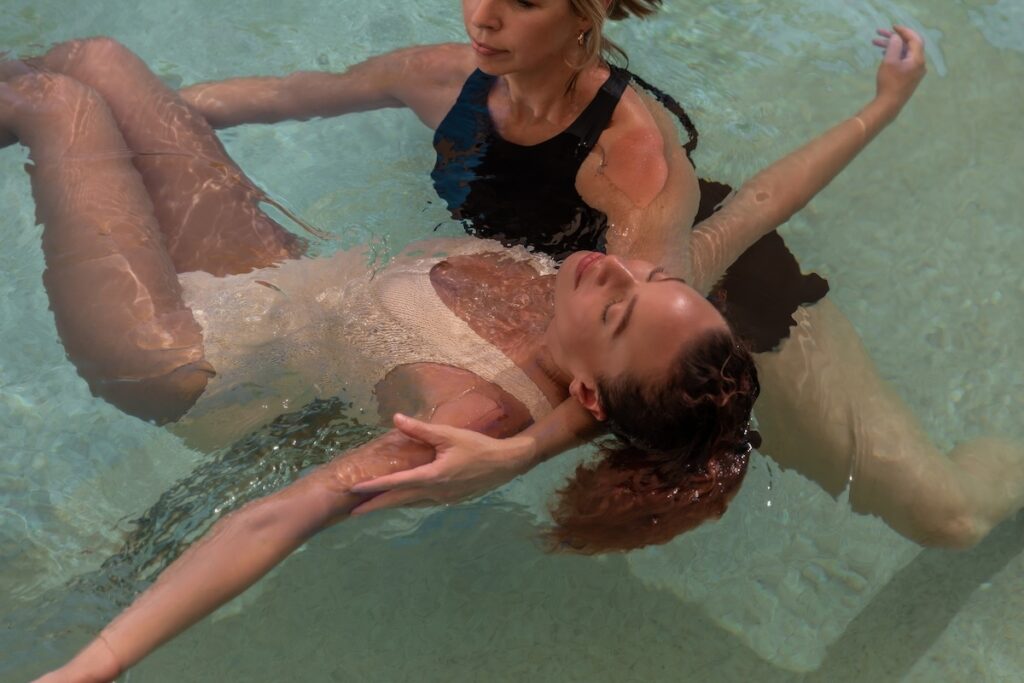
Tranquility Bay Beachfront Resort, Marathon
Reiki, Reflexology and Alternative Spa Treatments, Decoded

Founder & Editor, Spa Hotel Finder
Experience
20+ years in media and travel publishing
The Telegraph · Condé Nast International · Time Out Group
Education
Executive MBA · ESCP Business School
Expertise
Spa Hotels · Spa Pricing and Resort Fees · Wellness Travel · Hot Springs and Bathing Traditions
Published · Updated · 13 min read
Reflexology at a resort spa is slow, firm thumb pressure over the mapped points of your feet, not the tissue work of a foot massage. This page settles whether reflexology, reiki, shirodhara and the rest are worth their resort prices over an ordinary massage.
In 30 Seconds
- A resort reiki hour costs about twice a city session, and a service charge near 20% lands on top.
- No major review shows reiki or reflexology treating any medical condition; you are buying rest with a ritual, not medicine.
- Suits a curious spa-goer who wants a quiet, clothed hour of ritual; skip it if your back needs real muscle work.
Reiki and reflexology share the alternative pages of most US resort spa menus, and the prices are as serious as anything else on the card: Miraval Arizona charges $240 for 50 minutes of either. The menu is where you meet them, under tabs like Miraval’s “Energy & Eastern” and “Ayurveda,” listed beside massages they barely resemble.
This page gives you what the menus do not. You’ll get what happens on the table for each therapy, what named US resorts charge for the same hour, what the evidence shows, and how to choose any of it against a massage. If you want to know whether a $240 reiki hour is worth one afternoon, that is the question this page answers. If you were about to book any of it for a medical reason, read the evidence section first.
What Reiki Is, and What Happens
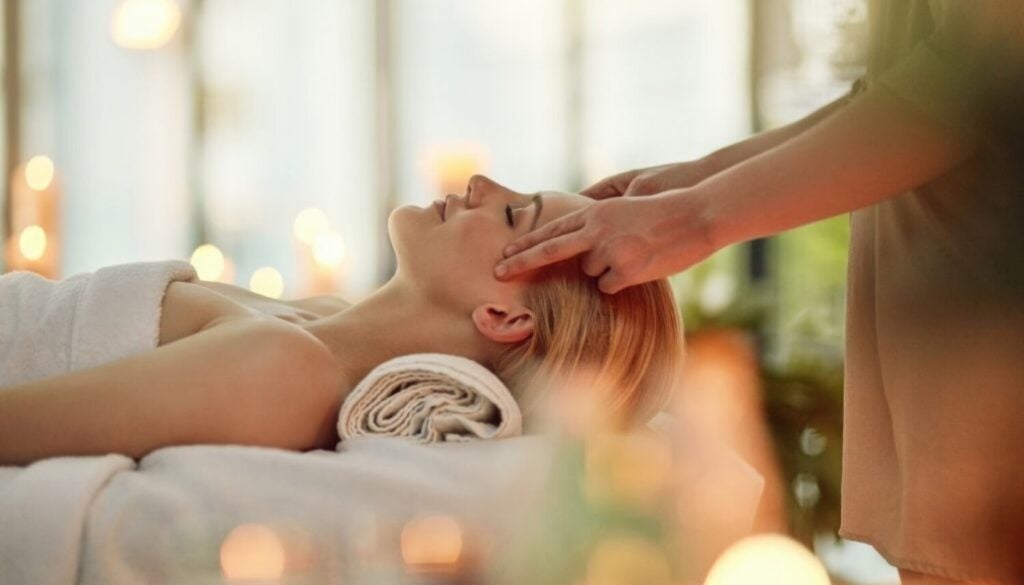
Reiki is a hands-on-or-above, fully clothed session with no muscle work, no oil and nothing to undress for, sold in 50- to 60-minute blocks at US resorts. Canyon Ranch Tucson spells it out on its menu (“Your massage therapist gently places his or her hands over your head, chest, abdomen, and back… Please wear comfortable clothing”), and Miraval Arizona’s menu says the hands rest “on or above the body” in loose clothes.
Reiki dates to Japan in 1922, when Mikao Usui founded it. Hawayo Takata, a Reiki Master from 1938, carried it to Hawaii and the mainland in the years after. A reiki hour is actually the gentlest thing on the menu: still, clothed and silent. What you do not get is a massage. No oil, no kneading, no worked muscle. Keep that distinction close, because the word “massage” keeps gluing itself to reiki on resort menus.
Reiki describes itself as moving universal energy through the practitioner’s hands. That is the practice’s own framing, and the National Center for Complementary and Integrative Health is plain about it: there is no scientific evidence for such an energy field. Sessions run 50 minutes at Canyon Ranch, Miraval and Woodloch, and 60 at Mii amo. If you want stillness and a pair of quiet hands, it delivers exactly that. If you wanted your back worked, it will not.
Reflexology’s Foot Map, and What It Feels Like
Reflexology is firm thumb pressure applied to mapped points on the feet, built on the theory that the sole holds a map of the body. Miraval Arizona prints the premise as fact on its menu: “your sole contains a map of your internal organs and structure.”
William Fitzgerald’s 1917 “Zone Therapy” divided the body into ten zones, and Eunice Ingham’s foot-map refinements followed in the early 1930s. A session runs 25 minutes at The Lodge at Woodloch ($100) and Boulders Resort & Spa ($105), or 50 minutes at Miraval ($240) and a full hour at Mii amo ($280). Some menus still call it “zone therapy,” the older name for the same idea.
The practical difference from a foot massage is intent, not anatomy: reflexology works mapped points with slow, deliberate pressure, while a foot massage works the tissue. If you want heel-kneading and calf work, see the spa massage guide for the tissue-work version. Half the confusion around the word comes down to scale: a 25-minute add-on is a different purchase from a 60-minute appointment, and menus often list both. When a point hurts during a session, the tenderness is just tenderness, and the map it sits on remains a theory.
Ayurvedic Spa Treatments: Abhyanga, Shirodhara and Doshas
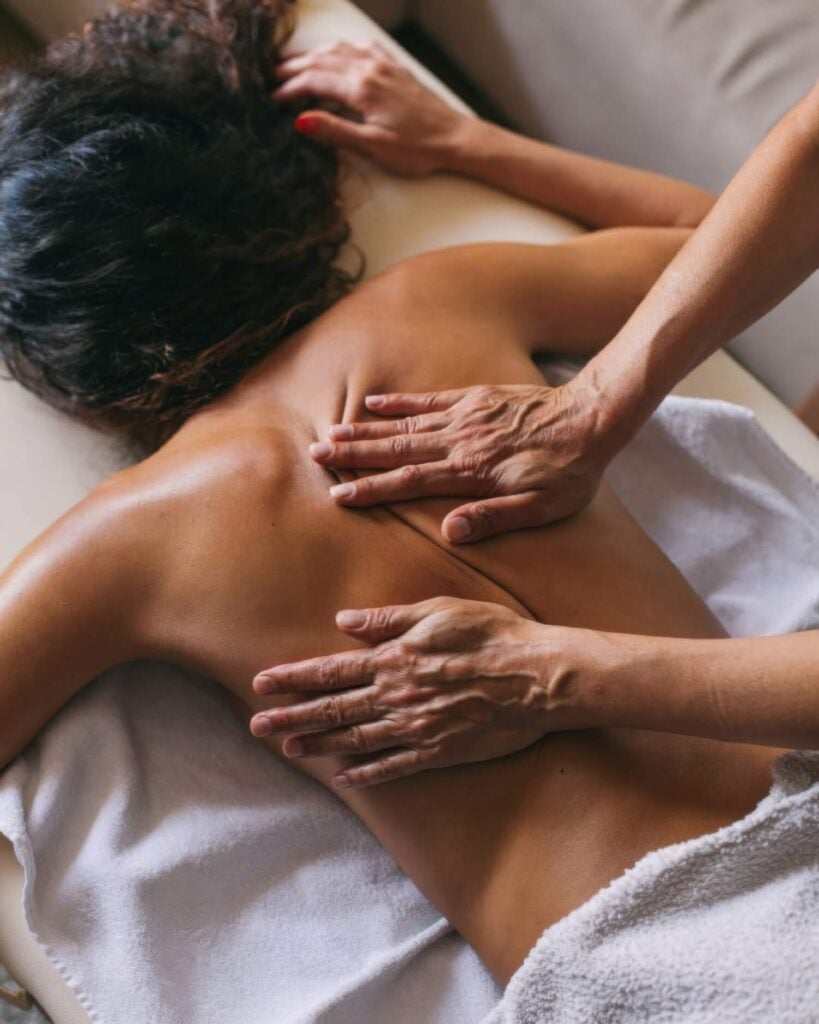
Abhyanga is a warm, herb-infused oil massage, and shirodhara is warm oil poured in a slow stream over the forehead. Both come out of Ayurveda’s dosha system, which sorts bodies into three tendencies: vata, pitta and kapha. The National Center for Complementary and Integrative Health describes it as an ancient Indian system built on that theory, with abhyanga and shirodhara often delivered inside multi-step “panchakarma” protocols.
On the price list, abhyanga runs $220 to $240 for 50 minutes. The Lodge at Woodloch charges $220, Miraval Arizona $240. Shirodhara runs $220 at Woodloch, $225 for 50 minutes at Boulders, and $285 for 60 at Mii amo. Miraval’s “Pradhana Veda” folds abhyanga, marma work, shirodhara and a linen wrap into 100 minutes for $420. Its “Rasayana Shirodhara” adds a dosha assessment at $430. The Wilde Resort & Spa sells a shorter 45-minute Ayurvedic Wellness Wrap for $200. Oil pours continuously, warm and almost meditative.
Shirodhara ends with your hair full of warm oil, which is lovely until dinner. Book it last in the day, as the spa equivalent of a very thorough deep-conditioning treatment. Those lead and mercury findings that circle Ayurveda concern pills and powders taken by mouth, not the oil massaged into your skin. Those are different exposure routes, and the one on the table is the safer half. A spa that tries to sell you ingestibles to take home is the thing to decline.
Sound Baths to Salt Rooms: the Rest, Decoded
Everything else on the alternative menu (sound baths, craniosacral, cupping, acupuncture, salt rooms and chakra work) divides into three jobs: lie still, get needled or suctioned, or sit in a room. Here is the shortest honest version of each.
| Treatment | What happens | Clothed? | Touch | Resort price anchor |
|---|---|---|---|---|
| Sound bath | You lie down while singing bowls, gongs or tuning forks are played around the body; some versions place bowls on the body | Yes | None to a bowl’s weight | Miraval “Harmonize” $275 for 50 min; Mii amo Healing Sound Bath $320 for 60 min; Woodloch $200 |
| Craniosacral | A practitioner holds your skull and sacrum with very light pressure while you rest | Yes | Extremely light | Miraval $240 for 50 min; Woodloch $200; Mii amo $265 for 60 min |
| Cupping / gua sha | Suction cups lift the skin, or a tool is scraped across it; both can leave marks | Partially | Suction or scraping | Sanctuary Camelback Mountain cupping $235 to $260; Mii amo massage cupping $355 for 80 min |
| Acupuncture | Fine needles go into specific points after a tongue-and-pulse intake | Partially | Needles | Miraval $240 for 50 min; Boulders $235 for 50 min; Arizona Biltmore on menu |
| Salt rooms | You sit in a salt-lined room and breathe; Grand Hyatt Scottsdale sells it in 30-minute sessions | Yes | None | Indian Springs $45; Grand Hyatt Scottsdale 30-min sessions |
| Chakra work and beyond | Balancing, energy clearing, aura photography, astrology | Varies | Light to none | Mii amo chakra balancing $340 for 80 min; The Wilde chakra scan $250 |
Mii amo is the most thorough, adding aura photography, astrology and past-life regression to the same menu, which tells you how far the category stretches. CIVANA Wellness Resort runs the opposite model: chakra-balancing sound healing lives in a roster of 100-plus free weekly classes, priced at zero. Castle Hot Springs lists gua sha on its treatment menu, and Ambiente puts a vibroacoustic Dark Sky Lounge behind its sound menu without pricing it. Indian Springs adds binaural-beat loungers at $45, the same as its salt room. The one question to ask the spa before booking any of it is contact: does this treatment touch you, or not?
What Resorts Charge, and Who Won’t Say
A reiki hour at a US resort runs $200 to $265, against $90 to $140 at a named city practitioner, which makes the resort version roughly double before a service charge that is often around 20%.
| Property | Reiki | Reflexology | Ayurvedic | Sound and other | Note |
|---|---|---|---|---|---|
| Miraval Arizona | $240 for 50 min | $240 for 50 min | Abhyanga $240; shirodhara composites $420 to $430 for 100 min | Harmonize $275; acupuncture $240 | The most itemised menu on this page |
| Canyon Ranch Tucson | $220 for 50 min | $240 for 50 min | Listed, unpriced | Not listed | Reiki is $20 under Miraval |
| Mii amo | $265 for 60 min | $280 for 60 min | Simply Shirodhara $285 for 60 min; four-hands $740 for 100 min | Healing Sound Bath $320 for 60 min | The deepest alternative menu in this comparison |
| Sanctuary Camelback Mountain | Listed alongside reflexology | $230 Mon to Thu, $255 Fri to Sun | Not listed | Nidra Sound Voyage $235 to $260; cupping $235 to $260 | Reiki price not published |
| The Lodge at Woodloch | $200 for 50 min | $100 for 25 min | Abhyanga $220; shirodhara $220 | Sound therapy $200 for 50 min | The cheapest reiki of the set |
| Meadowood Napa Valley | $240 to $360 | Not listed | Not listed | Sound therapy on menu | Top of the range |
| Ambiente | $215 for 60 min | Not listed | Not listed | Sound sessions $120 to $325 | Rooftop add-on from $105 |
| Boulders Resort & Spa | Not listed | $105 for 25 min | Shirodhara $225 for 50 min | Sound healing $225; acupuncture $235 | Reflexology is the cheap way in |
| Salamander Middleburg | Not listed | Not listed | Not listed | Sound rituals $235 to $340 | No reiki or reflexology on the menu |
| Rancho La Puerta | Not listed | $129 for 50 min | Not listed | Cupping $129; energy medicine $203 | The low-band outlier, in Mexico |
Named city practitioners set the benchmark behind those numbers: Sacred Space Astoria in Queens charges $140 for a 60-minute reiki, Brooklyn Reflexology $140 for the hour, and The Humble Abode in West Hollywood lists reflexology at $75 to $135. A resort hour is, in other words, about double the off-resort rate before the service charge.
Then there is who refuses to put a price up.
Wellness resorts itemise everything; classic luxury spas hide or omit it. Chatham Bars Inn lists none of these modalities, The Breakers Palm Beach prices only a Thai massage among these (reflexology is folded into its custom massage), and Golden Door sells by the stay rather than the treatment. L’Auberge de Sedona and San Ysidro Ranch both list energy work without publishing a figure. Across the menus read for this page, no resort sells reiki as a priced add-on to a massage. When it appears, it is always its own 50- to 60-minute appointment.
And then the guest record says something the brochures don’t. At Ambiente, none of the 327 recent TripAdvisor reviews mentions the vibroacoustic bed inside the Dark Sky Lounge, the thing the hotel sells hardest (the lounge itself gets one mention). At The Wilde, the sound bath appears in 2 of 944 reviews. At L’Auberge de Sedona, 6 of 299 mention any holistic offering. Often the boldest alternative menus are the quietest in the guest record. Sanctuary Camelback and Boulders both sit inside the Best Spa Hotels in Scottsdale rankings, which makes the comparison easy.
Where to try it
Hotels in This Guide
We may earn a commission when you book through these links. It never affects a SpaRator score, and no hotel hosted or paid for this analysis. How we earn
 SpaRator 8.6: Outstanding
 SpaRator 8.5: Outstanding
Phoenix
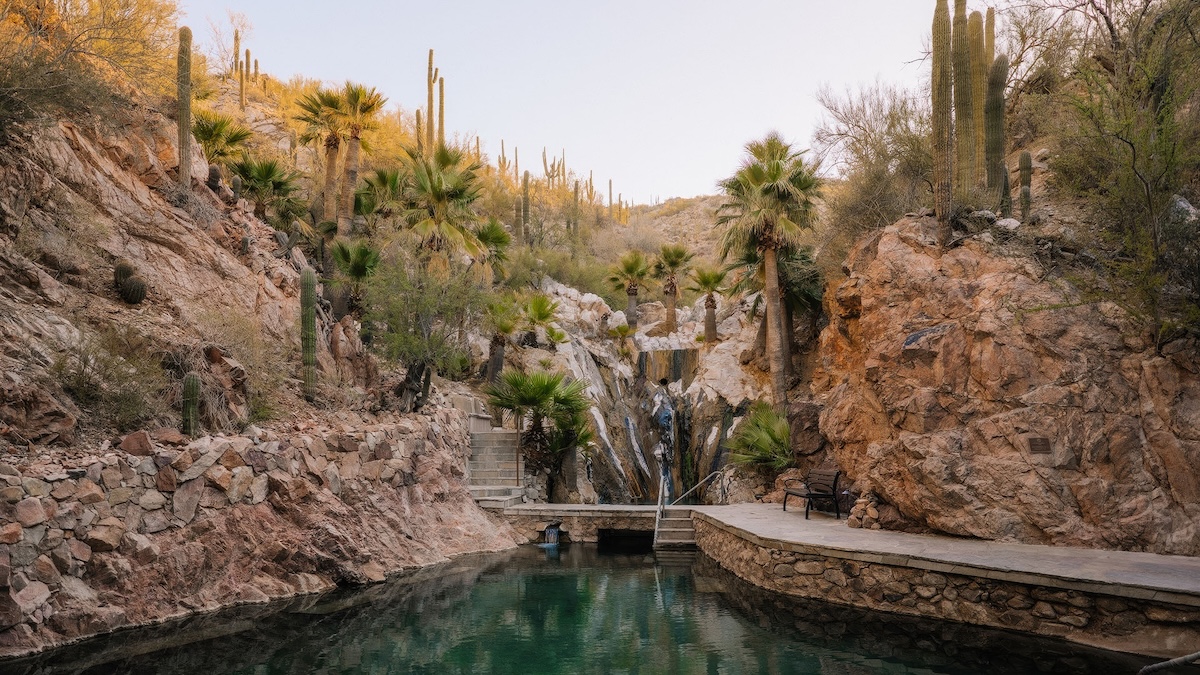
Castle Hot Springs
See the analysis: Castle Hot SpringsBook direct with the hotel: Castle Hot Springs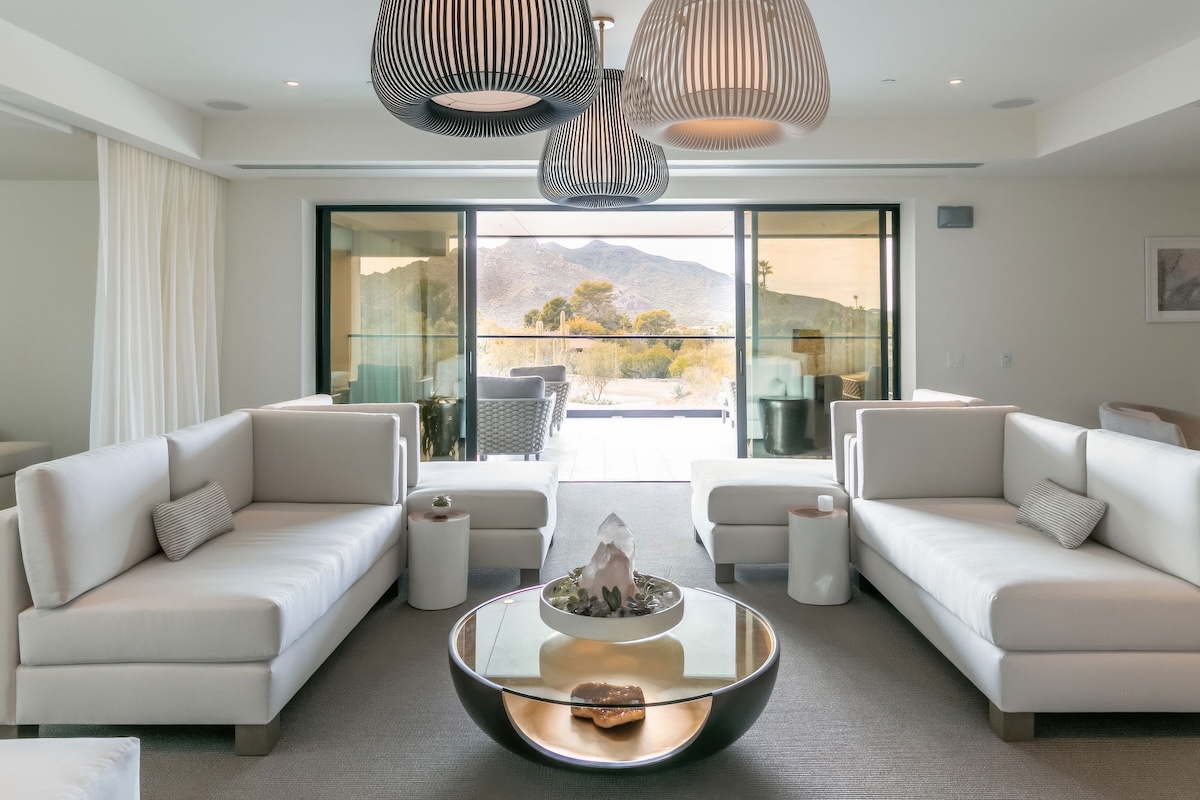 SpaRator 8.1: Outstanding
Scottsdale
CIVANA Wellness Resort and Spa
See the analysis: CIVANA Wellness Resort and SpaSee Live Rates: CIVANA Wellness Resort and Spa SpaRator 7.6: Strong
Phoenix
Arizona Biltmore, LXR Hotels & Resorts
See the analysis: Arizona Biltmore, LXR Hotels & ResortsSee Live Rates: Arizona Biltmore, LXR Hotels & Resorts SpaRator 7.5: Strong
 SpaRator 7.5: Strong
Scottsdale
Grand Hyatt Scottsdale Resort
See the analysis: Grand Hyatt Scottsdale ResortSee Live Rates: Grand Hyatt Scottsdale Resort SpaRator 7.3: Solid
Scottsdale
Sanctuary Camelback Mountain Resort and Spa
See the analysis: Sanctuary Camelback Mountain Resort and SpaSee Live Rates: Sanctuary Camelback Mountain Resort and Spa SpaRator 7.2: Solid
Sedona
The Wilde Resort & Spa
See the analysis: The Wilde Resort & SpaSee Live Rates: The Wilde Resort & Spa SpaRator 7.0: Solid
Scottsdale
Boulders Resort & Spa Scottsdale, Curio Collection by Hilton
See the analysis: Boulders Resort & Spa Scottsdale, Curio Collection by HiltonSee Live Rates: Boulders Resort & Spa Scottsdale, Curio Collection by Hilton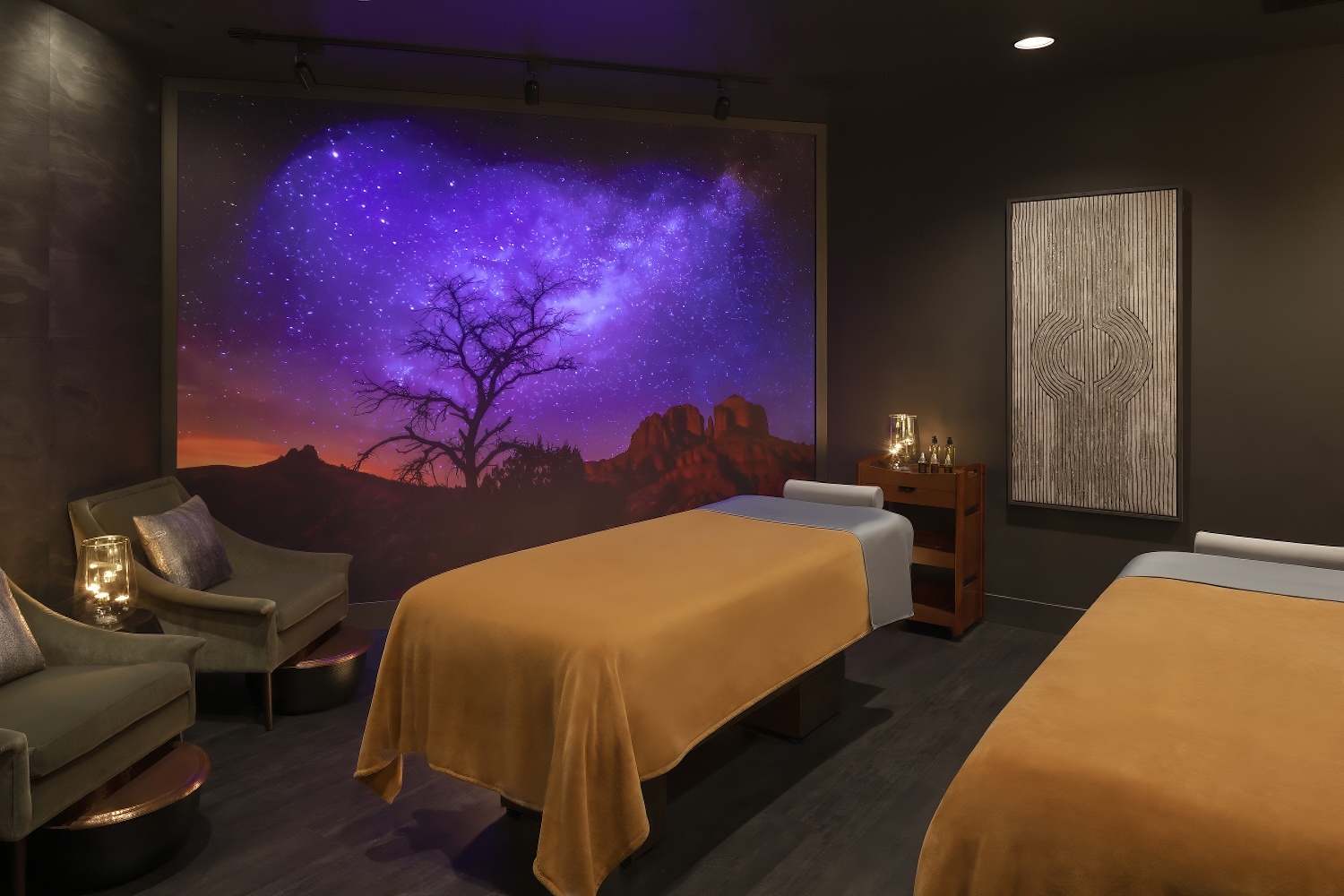 SpaRator 6.9: Modest
Sedona
Ambiente, a Landscape Hotel
See the analysis: Ambiente, a Landscape HotelCheck rates: Ambiente, a Landscape Hotel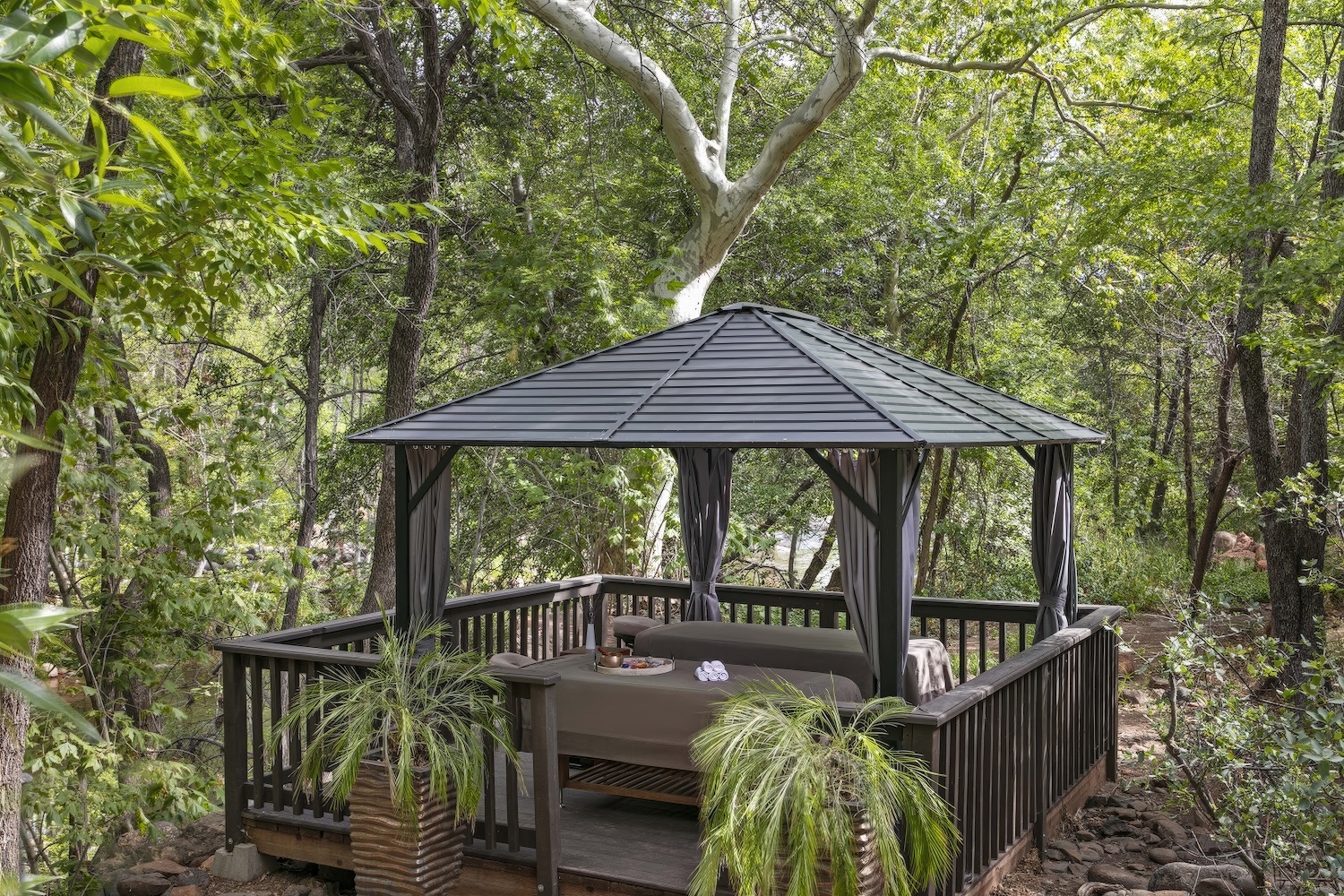 SpaRator 6.2: Modest
What the Evidence Shows for Reiki and Reflexology
No major review has shown reiki or reflexology to treat any medical condition, and the studies that do report benefits are mostly small, unblinded, or measured against nothing at all.
The National Center for Complementary and Integrative Health says reiki “hasn’t been clearly shown to be effective for any health-related purpose.” A 2008 review of nine trials called its value “unproven,” and a 2015 Cochrane review of three studies with 124 participants found “insufficient evidence.” A 2022 meta-analysis of 14 placebo-controlled trials, the friendliest recent read, found reiki beat placebo on mood, anxiety, stress and burnout. The researchers’ own word for it: “inconclusive.”
Reflexology sits in the same band. A 2009 review of 18 trials found the best evidence “does not demonstrate convincingly” that it treats any condition, and a 2011 update of 23 trials agreed. The most positive data, a 2020 meta-analysis of 26 trials and 2,366 people, reported large effects on depression, anxiety and sleep. The catch, in the authors’ own caveats: only one trial was blinded, every outcome was self-reported, and most came from one region.
The National Center for Complementary and Integrative Health says Ayurveda has “few well-designed clinical trials.” For sound baths, the headline study is Goldsby 2017: 62 people, no control group, lower tension and fatigue after a bowl meditation. Acupuncture has a small, real effect on chronic pain beyond sham, per the NCCIH. Craniosacral has insufficient evidence. Cupping beats nothing but not sham cupping. Gua sha rests on one 48-person trial.
Step back and the pattern repeats across every line: benefits shrink or vanish when the comparison is a sham rather than no treatment. That points the measured comfort toward rest, touch, attention and expectation doing much of the work. On a spa afternoon, that is not nothing. It is rest with a ritual around it.
Reiki or Massage: What to Book First
A massage works muscle, and reiki, craniosacral and a sound bath do not. Choosing comes down to what you want to walk out with.
Whether you’re stacking a full spa day or fitting a single appointment into a weekend, order matters more than the menus admit. Do the thermal circuit before any oil treatment, never after. A sauna is a warm-up, not a closer, and the hydrotherapy-circuit guide lays out the right order. Oil in the hair is why the order matters: do not, whatever the menu suggests, book shirodhara before dinner. Energy work goes at the end of the day. A reiki or sound session is the still note nothing needs to follow, so schedule it last and let the quiet carry into the evening.
If you want a loose body, take the massage. If you want a still, clothed, no-oil hour, take reiki, craniosacral or the sound bath. If you want the ritual, take shirodhara, and take it last.
The Lodge at Woodloch is the clearest on clothing: “Guests are required to come dressed in loose comfortable clothing, fitness, or workout gear.” The same rule applies anywhere reiki, craniosacral or a sound bath is on the card.
Two questions to raise before booking, as questions rather than advice. Reflexology: any active blood clot, gout flare, unhealed foot injury or uncontrolled diabetic neuropathy? Cupping or gua sha: blood thinners, broken or inflamed skin, pregnancy or a pacemaker?
Two red flags. A menu or practitioner that claims to diagnose or cure has stepped outside the evidence. A “reiki” that arrives with kneading is a massage in a different name. Ask whether the hands stay on the surface, no kneading.
On the bill: Miraval itemises these treatments, Rancho La Puerta keeps its energy work out of package pricing, and L’Auberge hides the number behind a booking wall. Then comes a service charge, often around 20%, on an hour that already runs double the city rate.
FAQs
Is reiki better than a massage?
No, and the comparison is the wrong question. Reiki is a clothed, hands-on-or-above session with no muscle work, while a massage works the tissue. Choose reiki for a still, quiet hour and a massage when your body hurts or you want real pressure. Neither is medicine.
How much does reiki cost at a resort spa?
Between $200 and $265 for 50 to 60 minutes at the resorts that publish prices: Woodloch $200, Canyon Ranch Tucson $220, Miraval Arizona $240 and Mii amo $265. City practitioners charge roughly $90 to $140 for the same hour. Add a service charge, often around 20%, on top.
Do you keep your clothes on for reiki?
Yes. Reiki is delivered fully clothed, without oil and without undressing. Canyon Ranch asks you to wear comfortable clothing and Miraval says the hands rest “on or above the body.” Craniosacral and sound baths keep you dressed the same way, which is usually the clue that no muscle work is coming.
What happens during reflexology at a spa?
A therapist presses mapped points on your feet with thumbs and fingers, usually for 25 to 60 minutes. Miraval prints the premise on its menu: a foot-body map. Boulders charges $105 for 25 minutes. Miraval charges $240 for 50. It’s pressure on points, not a foot rub.
When should you not have reflexology?
Raise it with the spa before booking if you have an active blood clot, a gout flare, an unhealed foot injury, uncontrolled diabetic neuropathy or a first-trimester pregnancy. Any open wound or acute foot pain is a reason to call ahead. These are questions to raise, not medical advice.
Does reflexology actually work?
Not as medicine. Two systematic reviews, from 2009 and 2011, found the best evidence “does not demonstrate convincingly” that it treats any condition. A 2020 meta-analysis reported large effects on depression, anxiety and sleep across 26 trials, but only one trial was blinded and every outcome was self-reported.
What is shirodhara like?
Warm oil pours in a slow stream across your forehead while you lie still. It’s deeply pleasant and it leaves your hair full of oil. It runs $220 for 50 minutes at Woodloch and $285 for 60 at Mii amo. Book it last in the day.
Is Ayurveda safe at a spa?
Oil on the table carries little risk. The heavy-metal findings that circle Ayurveda concern pills and powders taken by mouth, not a topical oil massage. Decline a spa that sells you ingestibles to take home. NCCIH notes few well-designed trials support the system as a whole.
Which US resorts offer reiki?
Miraval Arizona, Canyon Ranch Tucson, Mii amo, Sanctuary Camelback Mountain, Meadowood Napa Valley, Ambiente, San Ysidro Ranch and The Lodge at Woodloch all list it. Chatham Bars Inn and The Breakers Palm Beach list none of these modalities, and Salamander Middleburg offers sound rituals but no reiki.
Prices were read from live resort menus on 17 August 2026 and change without notice. Reiki and reflexology prices at San Ysidro Ranch, L’Auberge de Sedona and Sanctuary Camelback Mountain were not published or not verified; Canyon Ranch lists its Ayurvedic treatments without public prices. No hospital-adoption counts or usage-percentage figures are cited, because none were verified this run.
11 Scored Hotels, Ranked by Score
We may earn a commission when you book through these links. It never affects a SpaRator score, and no hotel hosted or paid for this analysis. How we earn
- SpaRator 8.6: Outstanding
Mii amo
Sedona
- SpaRator 8.5: Outstanding
Castle Hot Springs
Phoenix
- SpaRator 8.1: Outstanding
CIVANA Wellness Resort and Spa
Scottsdale
- SpaRator 7.6: Strong
- SpaRator 7.5: Strong
Canyon Ranch Tucson
Tucson
- SpaRator 7.5: Strong
Grand Hyatt Scottsdale Resort
Scottsdale
Show all 11 hotelsShow fewer hotels
- SpaRator 7.3: Solid
- SpaRator 7.2: Solid
The Wilde Resort & Spa
Sedona
- SpaRator 7.0: Solid
- SpaRator 6.9: Modest
- SpaRator 6.2: Modest
L'Auberge de Sedona
Sedona