Four Seasons Resort Napa Valley, Calistoga
Spa and Wellness Travel Trends for 2026: What’s Real, What’s Hype, and Where to Book It

Founder & Editor, Spa Hotel Finder
Experience
20+ years in media and travel publishing
The Telegraph · Condé Nast International · Time Out Group
Education
Executive MBA · ESCP Business School
Expertise
Spa Hotels · Spa Pricing and Resort Fees · Wellness Travel · Hot Springs and Bathing Traditions
Published · Updated · 15 min read
2026’s spa and wellness travel trends that are real are contrast therapy bathhouses, nervous-system regulation, women’s longevity clinics, longer structured resets, and hot springs over optimization dashboards. The honest call is which of the nine are substance and which are noise, with real prices attached.
In 30 Seconds
- Cold plunges carry real cardiovascular risks, so anyone with heart or blood-pressure conditions should skip contrast therapy.
- A $250-to-$300 day pass may require a 60-minute treatment, while basic heat-bathing entry starts at $29.
- Suits travelers wanting evidence-backed wellness, from contrast therapy to clinical programs; skip if you want a passive resort stay.
If 2025 was about longevity and digital detox, 2026 has a tighter theme: nervous-system regulation. The money backs it up. The spa and wellness travel trends 2026 conversation now sits inside a wellness economy that hit a record $6.8 trillion in 2024 and is forecast to reach roughly $9.8 to $10 trillion by 2029, per the Global Wellness Institute and the Global Wellness Summit’s 2026 report. Demand at the top of the market is climbing too: 90% of luxury travelers named wellness a key booking factor in 2025, up from 80% a year earlier, according to ILTM.
Most trend lists you’ll read this year are upside-only. They name a handful of international ultra-luxury resorts, skip the prices, and never say whether a trend actually works. This one does the opposite. Below are nine wellness travel trends 2026 will run on, each tied to a real, mostly US spa hotel with a real number attached, a plain statement of what it costs to get in, and an honest call on which are substance and which are repackaging.
1. The Social Bathhouse Goes Mainstream (and Contrast Therapy With It)
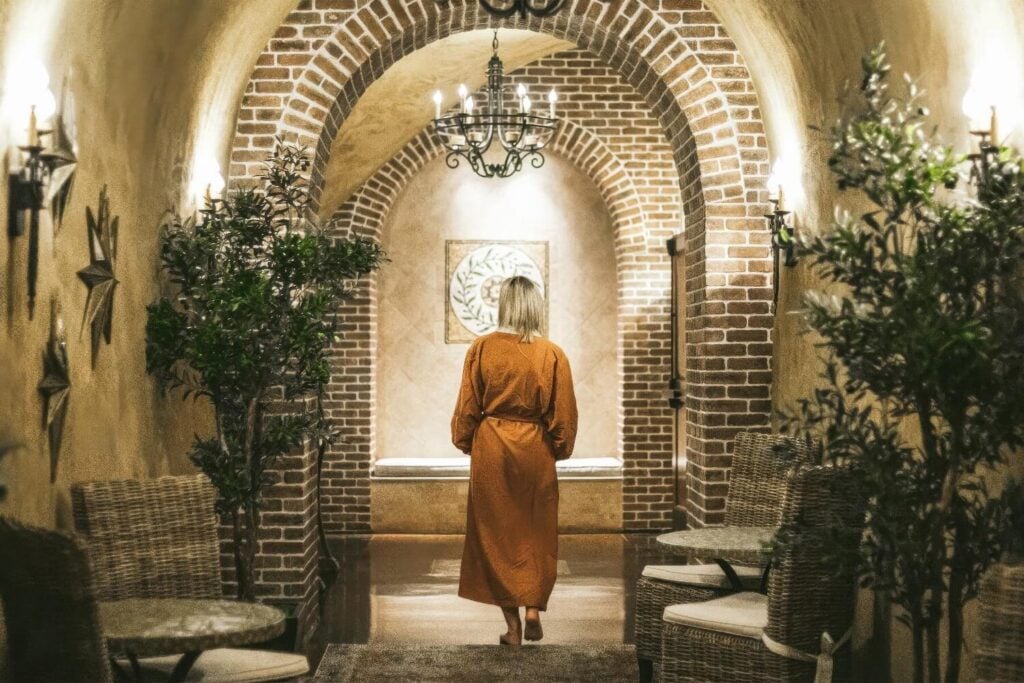
Contrast therapy left the athlete recovery room and became a night out. On May 16, 2026, Bathhouse opened its largest US location yet at 540 Atlantic Avenue in Brooklyn, 32,000 square feet total, with day passes starting at $29.
That price is the story. Sauna-and-cold-plunge culture is no longer a biohacker’s basement setup; it’s a social venue you drop into for a few hours. Bathhouse’s Williamsburg location runs eight thermal pools at named temperatures: three hot pools at 104°F, two cold plunges at 45°F and 50°F, two neutral pools at 98°F, and a rooftop pool at 84°F. If you’re new to heat bathing, start with how to use a sauna at a spa hotel before booking around it.
This is the most capital-backed and best corroborated trend of the year. The Global Wellness Institute gave it a dedicated Hydrothermal Initiative report on April 6, 2026, tracking it as a maturing category shifting toward gentler 12-15°C cold rooms and integrated hydrothermal circuits used as a hotel’s main draw rather than tucked-away amenities. It benchmarks Bathhouse, Othership, Nobu Hotel New York, and Aman New York.
The circuit is the storefront now. The Sanctuary Spa at Naples Beach Club, A Four Seasons Resort, opened March 18, 2026, with a 3,200-square-foot aquatherapy circuit built into a 30,000-square-foot, three-level spa.
One caution the marketing skips: the American Medical Association warns cold immersion can lower the arrhythmia threshold, and people with uncontrolled high blood pressure or existing vascular disease should avoid it. The AMA is also blunt that contrast therapy alone won’t produce dramatic healing. It supports recovery; it doesn’t cure.
Best for: anyone near a city bathhouse who wants low-cost entry to a real thermal circuit. Skip if: you have a cardiac or blood-pressure condition you haven’t cleared with a doctor first.
2. Neurowellness: Nervous-System Regulation Becomes the Point
Somewhere in the last year, the definition of luxury quietly flipped. It used to mean switching off. Now it means switching states, from pampering to nervous-system regulation.
The Global Wellness Summit named “The Rise of Neurowellness” one of its top ten trends for 2026. Heidi Moon of the Global Wellness Institute frames nervous-system regulation as “the master switch,” the connective layer beneath most other wellness trends. There’s a real technology stack underneath the phrase: vagus-nerve stimulation, EEG-guided sleep tools, and neurofeedback platforms now gaining FDA clearance for home use, the same tools starting to migrate from the clinic onto spa menus.
At a property level, this shows up as named devices rather than vague high-tech claims. The Sanctuary Spa at Naples Beach Club sells the Ammortal Chamber, which combines molecular hydrogen, vibro-acoustics, and multiwave frequencies with a zero-gravity lounger and a light-emitting canopy, in a single session explicitly aimed at the autonomic nervous system. Whether one chamber session moves your baseline is a separate question. But it’s a specific intervention with a specific target, not a renamed hot-stone massage.
That distinction is the whole trend. Structured breathwork, somatic work, and measured HRV training are real practices with real physiological effects. The marketing habit of relabeling a quiet massage as a “nervous-system reset” is not.
The verdict: the practices are worth seeking out, but the label is doing a lot of work. Look for structured breathwork and somatic programming with something measurable attached, not a relaxation menu wearing a new name.
3. Women’s Longevity and Menopause Care Get Their Own Lane
For years the longevity industry studied male biology and handed women a lavender robe. In 2026 that finally reroutes.
The Global Wellness Summit named “Women Get Their Own Lane in Longevity” a top-ten trend. Beth McGroarty, the Global Wellness Institute’s VP of Research, calls women’s longevity medicine “the new and fast-moving clinical and wellness category,” because ovarian decline during perimenopause and menopause accelerates systemic aging in ways male-designed longevity medicine has ignored.
The programs are real and datable. Canyon Ranch runs M/Power Menopause Retreats at its Lenox, Massachusetts property, three-night small-group immersions built specifically for perimenopause and menopause, scheduled periodically across 2025 and 2026. A new Canyon Ranch destination resort and residential community, 600 acres near Austin, Texas, is slated to open in fall 2026, built around sleep, nutrition, postpartum depression and midlife beauty.
On the diagnostic end, Carillon Miami’s Inner Glow Retreat is a five-day, four-night, physician-led program under Martin G. Bloom, M.D. It combines biostation diagnostics, nutrient IV treatments and daily injections, a $500 food-and-beverage credit, and a 45-day telemedicine follow-up after checkout. You book 14 days out, and it’s non-refundable inside that window.
The limitations matter here. These programs are date-specific or waitlisted. Small-group formats won’t suit anyone who wants an individualized medical workup. And Carillon doesn’t publish a price for Inner Glow, so the all-in figure is a call-and-ask, not a number on a page.
Best for: women who want hormone-specific programming with genuine medical substance behind it. Skip if: you need a fully individualized clinical workup, or you need to see the total cost before you commit.
4. Sleep Tourism Grows Up: From Better Pillows to Sleep Labs
Of every trend on this list, this is the one most likely to change how you feel by Tuesday. And it’s finally backed by science instead of thread counts.
Equinox Hotel New York’s Sleep Lab is the clearest example. Developed with sleep neuroscientist Dr. Matthew Walker, author of Why We Sleep, and launched in July 2025, it’s billed as the world’s first neuroscience-based sleep lab in a luxury hotel. The build is specific: Eight Sleep AI-regulated mattresses, automatic circadian lighting, and personalized morning and evening rituals.
Carillon Miami runs a Sleep Well Retreat, a four-night program built around the Bryte Balance smart bed, which adjusts through the night to track and shape sleep stages rather than just feeling comfortable.
The gap between substance and marketing is wide in this category, and easy to read once you know what to look for. Circadian lighting, tracked recovery, and a named neuroscientist are substance. A mattress that regulates your temperature to your measured sleep stages is substance. “Sleep-friendly room” is an adjective that means nothing.
Two caveats. A single-technology program built around one smart bed isn’t a full sleep-science protocol, whatever the brochure implies. And the strongest version of this trend runs on premium Manhattan pricing.
Direct recommendation: if you pass through New York and sleep is the actual goal, Equinox’s Sleep Lab is the clearest bet on this list. Anywhere else, look for circadian lighting and measured recovery data, not bedding adjectives.
5. Medicalized Longevity and the Biohacking Spa
The fastest-growing wellness resorts of 2026 look less like spas and more like, in one advisor’s words, “a private hospital with better interiors.” That’s Daria Guristrimba of the travel advisory Globe7, describing the clinical-wellness end of the market, biomarker screening and stem-cell therapy at operators like La Prairie, Lanserhof and Chenot, and distinguishing it from the parallel holistic-wellness world of Ayurveda and energy work growing alongside it.
The line between spa and clinic has genuinely dissolved. Biomarker panels, IV drips, NAD+ and GLP-1s now appear on wellness menus. Sensei Porcupine Creek in Rancho Mirage, the former Ellison estate, opens every guided stay with a private orientation that collects baseline data, blood pressure and functional movement screens, then builds a Move, Nourish and Rest plan around the results, delivered at a one-to-one practitioner ratio. It runs from about $1,475 per person, per night, double occupancy, with a three-night minimum, so a minimum stay clears $4,425 per person before add-ons. (That rate reference is dated; confirm the current figure before booking.) At the device-driven end sits the Sanctuary Spa’s Ammortal Chamber again.
The substance underneath is genuinely mixed. GLP-1 medications have real, trial-backed benefits: roughly 20% fewer major heart events, better insulin sensitivity, lower inflammation. But they were never designed or studied as a longevity intervention in healthy people, and 15 to 40% of the weight lost on them can be lean muscle. That’s real medicine deployed for an unproven purpose.
Best for: data-motivated travelers who will actually act on their results. Skip if: you want rest, or you’re being sold longevity claims the drug’s own trials don’t support.
6. The Over-Optimization Backlash (Even the Industry Is Tired of Tracking)
The same industry selling you a biometric ring just named “over-optimization” a top problem for 2026.
That’s not a critic talking. The Global Wellness Summit’s own 2026 report lists “The Over-Optimization Backlash” among its ten trends, describing constant health-metric quantification as a source of psychological strain rather than motivation, and predicting a pivot toward regulation, safety and low-stimulation formats. When the people selling the dashboards flag the dashboards, it’s worth listening.
The sharpest line comes from Veronica Schreibeis Smith, CEO of Vera Iconica, speaking about wellness real estate: “Real change doesn’t happen on vacation. It happens on a Tuesday, in your kitchen.” She’s describing the “longevity residences” trend, homes wired with passive diagnostics, smart mirrors and toilets that read your biomarkers, red-light panels, hyperbaric chambers, cryotherapy circuits. Her point cuts against the whole travel category: a single trip has limited lasting impact next to how you live the other 51 weeks, and the honesty of saying so is exactly what most trend lists avoid.
Read this one against items 4 and 5. It’s the deliberate counterweight to the biohacking spa. Off-grid and unplugged stays, hot-spring soaks, and low-stimulation formats that measure nothing belong here, and they’re catching demand precisely because everything else got so quantified. The report itself predicts a pivot toward regulation, safety and simplicity over one more optimization dashboard.
The verdict: if a resort’s entire pitch is a dashboard, ask what you’re actually buying. The most durable outcome of a 2026 trip may be the one that produces no data at all.
7. Slow, Structured Multi-Day Resets Replace the Weekend Spa Break
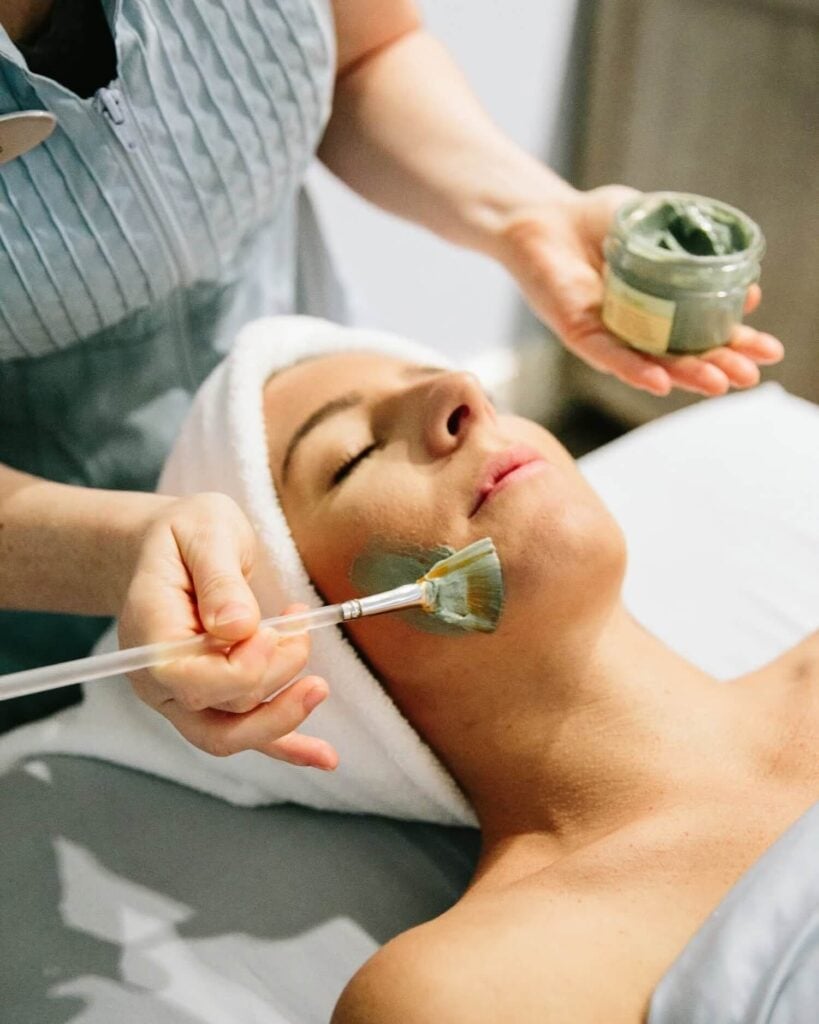
A weekend spa break ends the moment the massage does. The 2026 answer is a structured multi-day program you actually take home with you.
The Ranch Malibu is the reference point. Its signature six-to-eight-night program is capped at just 25 guests and built around a fixed daily structure: a two-to-four-hour sunrise hike, strength training, restorative yoga, a daily massage, plant-forward meals, a 60-minute sound bath, and infrared sauna plus cold plunge. The week runs roughly $7,000 to $10,500 per person, with nightly rates topping $1,500. The notable 2026 development: The Ranch added shorter three- and four-night formats to lower the commitment and cost barrier.
For a diagnostics-forward alternative, Canyon Ranch Tucson’s LONGEVITY8 is a four-day, four-night program with more than 30 daily activities and bundled diagnostic testing, consultations and educational sessions in one all-inclusive price. The point of the format is that you leave with a plan and baseline numbers, not just a lighter body.
The shift worth noting is that both flagships are adapting to demand. The Ranch’s new three- and four-night options let you run the same daily structure in half the time, and the shorter formats are the industry admitting the six-night commitment priced too many people out.
The limitation is physical, not just financial. These are demanding formats with restrictive, plant-forward diets and pre-dawn starts. If you want passive rest, this is the wrong category, and even the shorter versions aren’t cheap.
8. Elemental Wellness and the Return of the Hot Spring
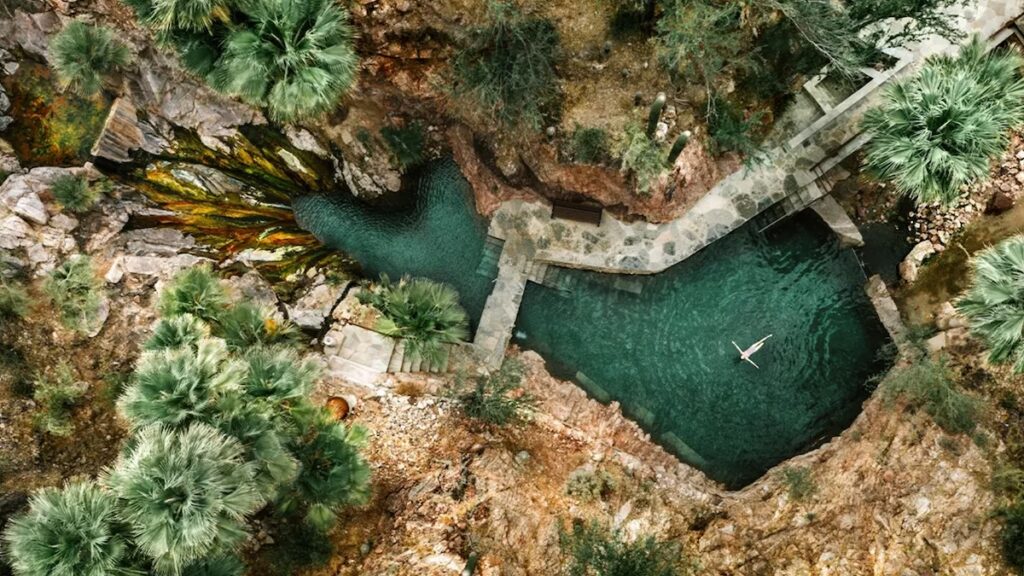
The oldest wellness technology on earth, hot mineral water, is having its biggest year in a decade, precisely because everything else got so digital.
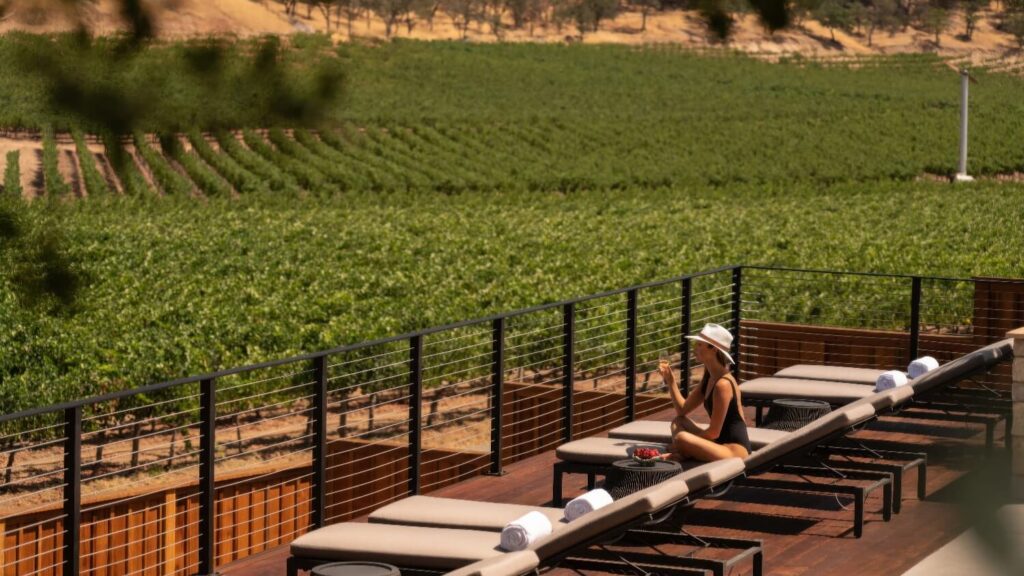
This is the counter-pull to the biohacking spa, and it’s often the better value. Calistoga Spa Hot Springs in Napa Valley just completed an 18-month renovation of all 57 guestrooms and its pool deck, with four geothermal-heated mineral pools, traditional volcanic-ash mud baths, and an on-site fitness partnership with Calistoga Fit. This is where “nature-first” stops being a design buzzword and becomes actual geology. And it’s a national shift, not a one-town story. See the hot springs driving this revival from coast to coast.
Blackberry Farm’s Wellhouse in Walland, Tennessee, holds down the food-and-nature end, and it does something the opaque-package crowd won’t: it itemizes. Treatments are priced individually, from about $100 to $450, with named, place-rooted options like the Appalachian Body Purification at $330 for 80 minutes, the Tammy Fender Signature Facial from $250, and the Himalayan Salt Stone up to $450. A 20% service charge sits on top of listed prices, which the menu states plainly rather than burying.
The trade-off here is about fit, not quality. This end of the market lacks the clinical diagnostics and biomarker testing of the longevity resorts, and it can’t match a large hotel’s thermal circuit at scale.
Best for: travelers who want restoration rooted in a real place, at a fairer and more transparent price. Skip if: you’re after clinical diagnostics or a full multi-pool thermal circuit.
9. Day Passes and Tiered Access Crack Wellness Open (a Little)
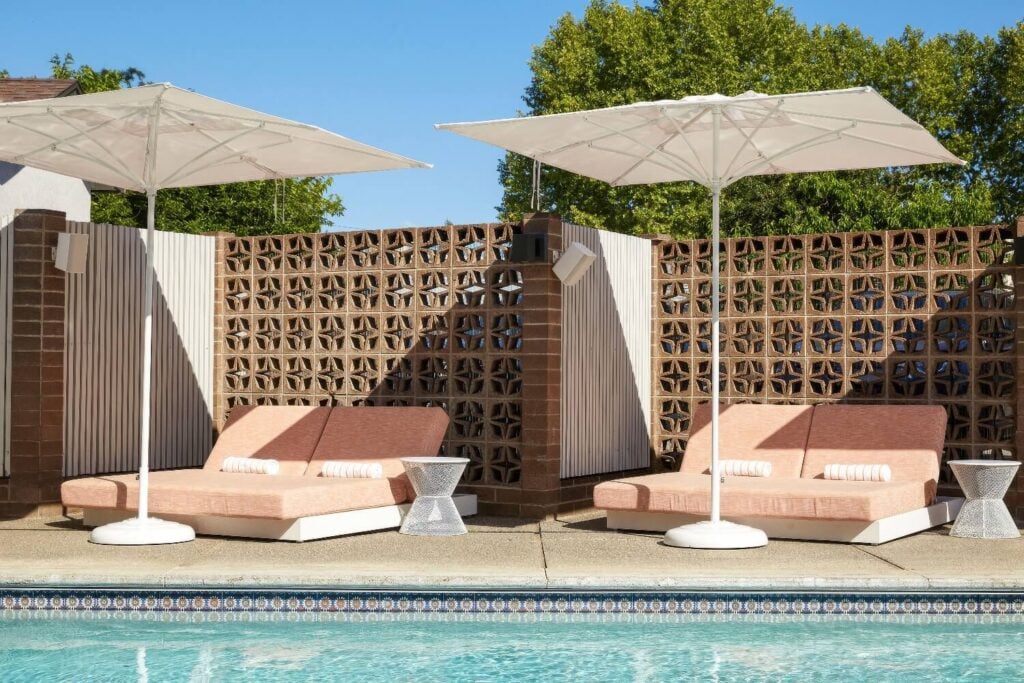
You don’t have to book a $10,000 week to use a great spa in 2026. The day-pass tier finally makes the good facilities reachable, with real caveats attached.
The numbers are concrete. CIVANA Wellness Resort & Spa in Carefree, Arizona, sells day passes for roughly $250 to $300, and that price bundles a required 60-minute treatment plus two fitness or wellness classes, with a $50 food-and-beverage credit added in July and August. Passes are non-refundable and seasonal. At the genuinely low-cost end, Bathhouse NYC day passes start at $29, with treatments sold separately. Note the difference in access rules: some properties gate the pools behind a treatment minimum, and some don’t. Check the terms before you book.
Fee transparency is improving alongside access. The FTC’s junk-fee rule took effect May 12, 2025, requiring hotels to show mandatory fees in the advertised price. It doesn’t ban them, and disclosed resort fees still average about $33 per night nationally, around $42 in Las Vegas (up 6% year over year). But Las Vegas went further, banning hidden hotel fees and surprise credit-card holds outright in February 2026.
The limitation worth naming: “accessible” is relative. A $250-to-$300 day pass still isn’t budget travel, and the non-refundable, seasonal terms remove flexibility.
Direct recommendation: before booking any day pass, ask two questions. Is a treatment required for pool access, and is the resort fee shown in the quoted rate?
Where to try it
Hotels in This Guide
We may earn a commission when you book through these links. It never affects a SpaRator score, and no hotel hosted or paid for this analysis. How we earn
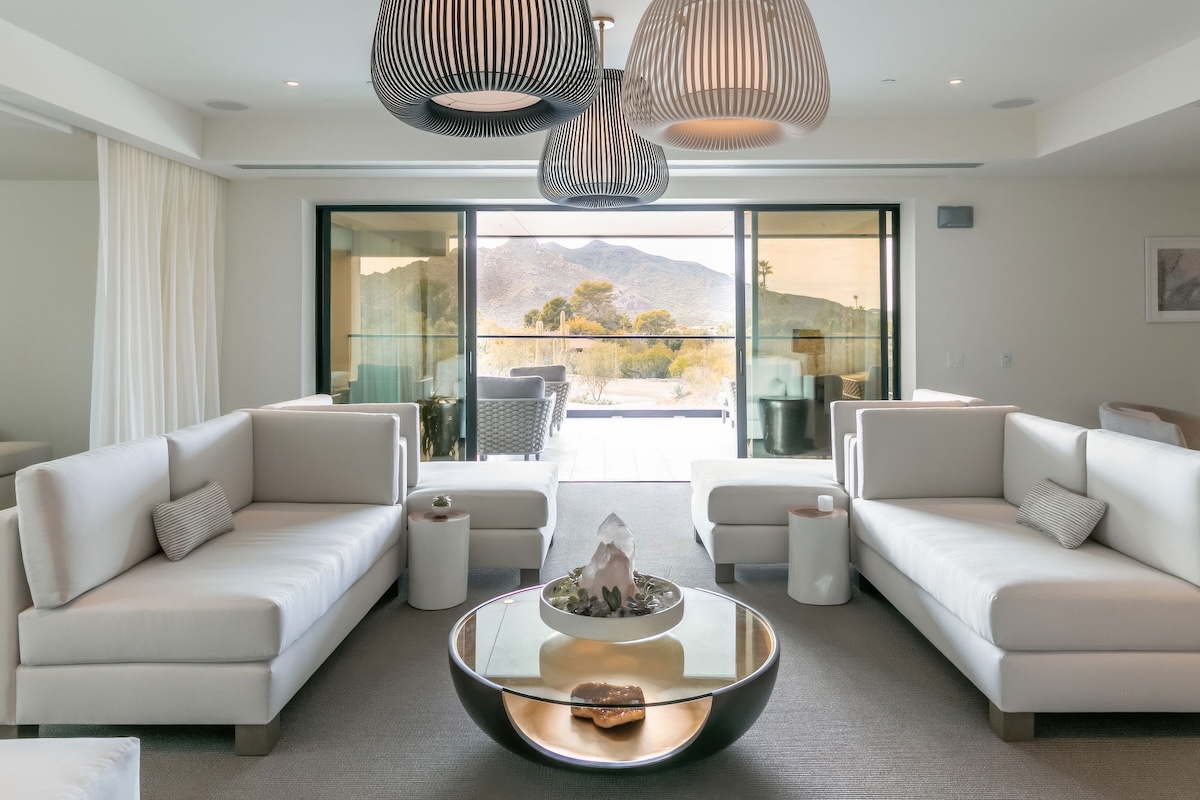 SpaRator 8.1: Outstanding
Scottsdale
CIVANA Wellness Resort and Spa
See the analysis: CIVANA Wellness Resort and SpaSee Live Rates: CIVANA Wellness Resort and Spa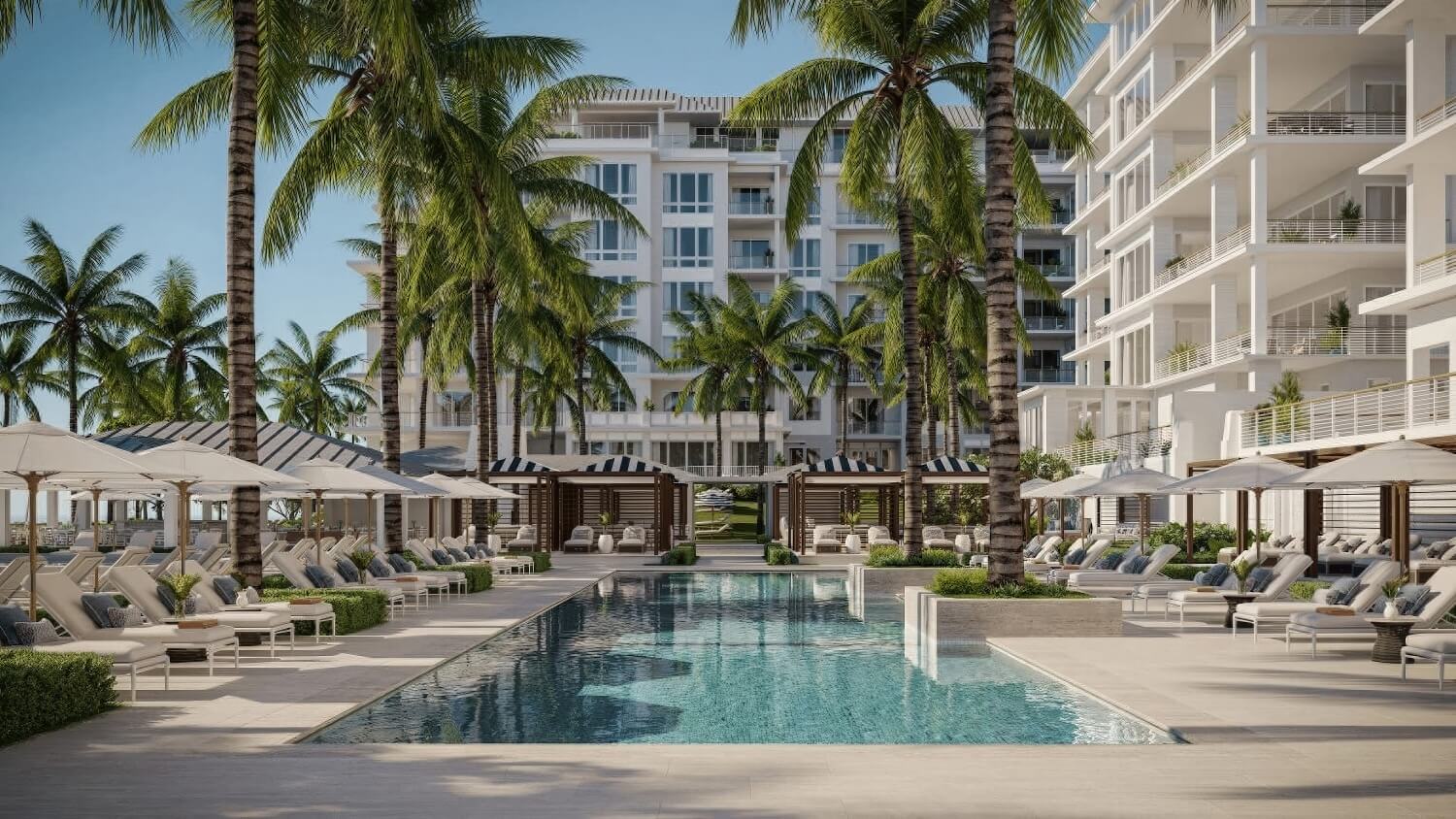 SpaRator 7.7: Strong
Naples
Naples Beach Club, A Four Seasons Resort
See the analysis: Naples Beach Club, A Four Seasons ResortSee Live Rates: Naples Beach Club, A Four Seasons Resort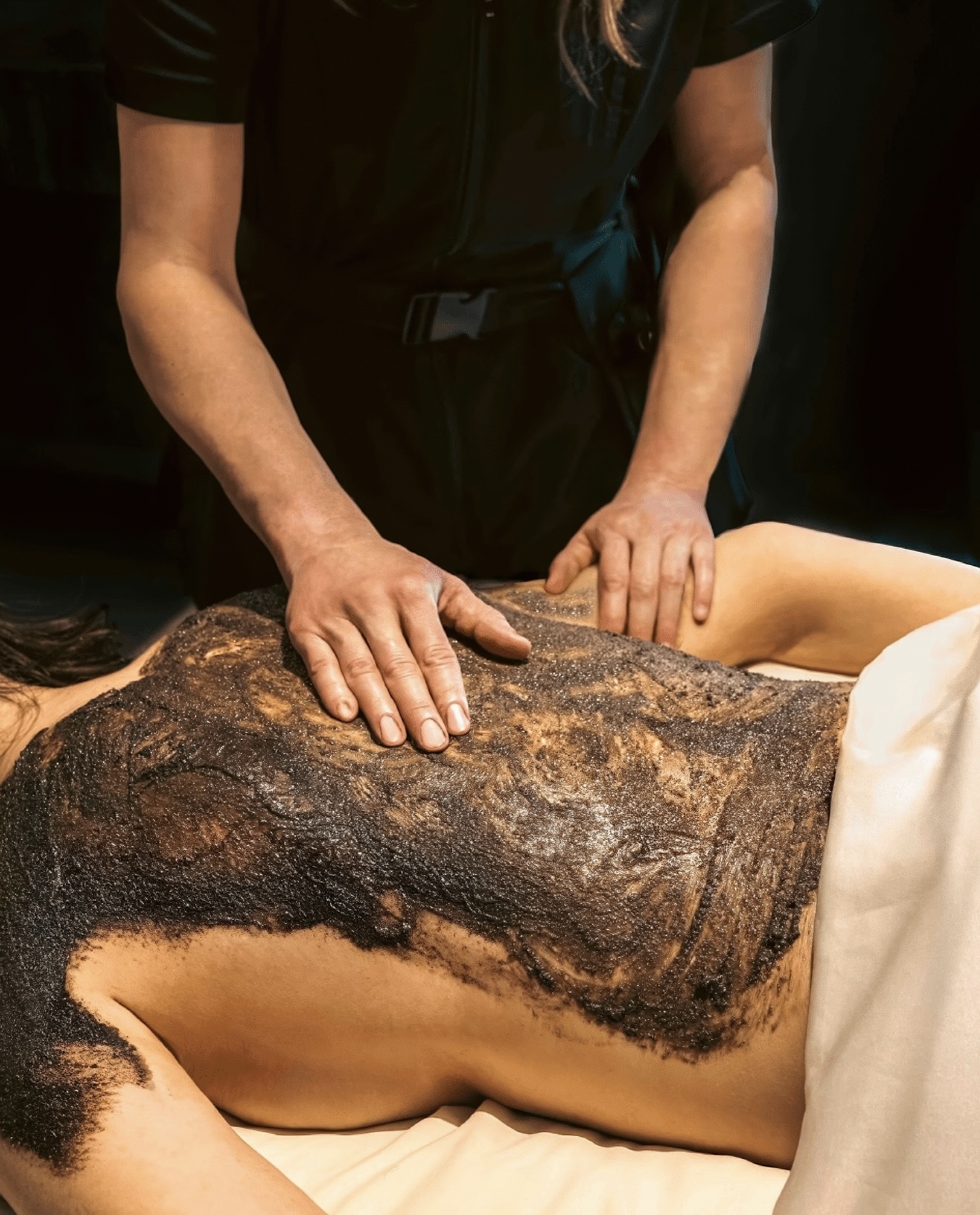 SpaRator 7.5: Strong
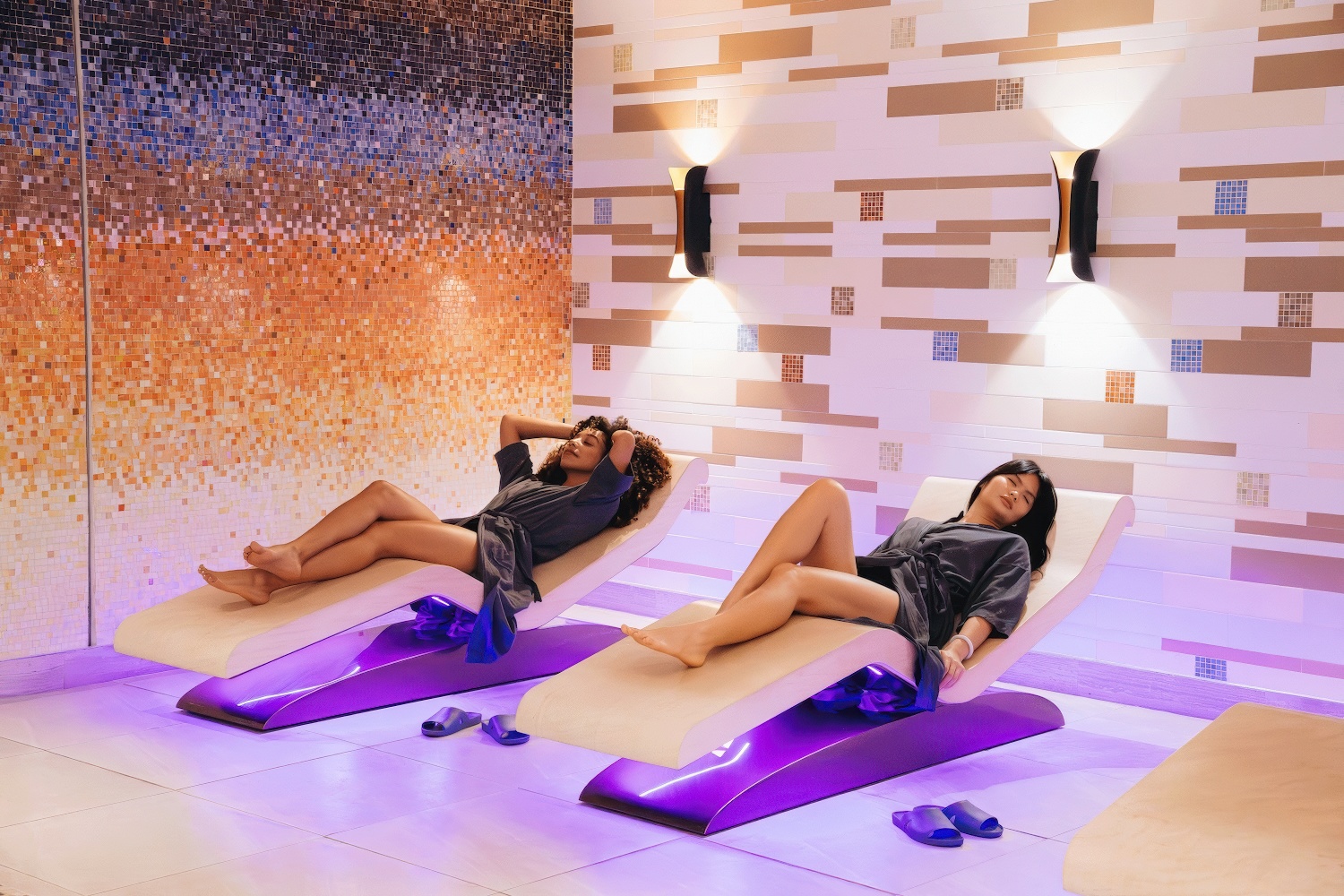 SpaRator 7.0: Solid
Miami
Carillon Miami Wellness Resort
See the analysis: Carillon Miami Wellness ResortSee Live Rates: Carillon Miami Wellness Resort
FAQs: Planning a 2026 Spa and Wellness Trip
How much should I realistically budget for a US wellness retreat in 2026?
Do I have to book a treatment just to use the pools and thermal facilities?
Will I get surprise resort fees on top of the advertised rate?
Is contrast therapy (sauna and cold plunge) safe for everyone?
Do rage rooms actually work for stress relief?
Are GLP-1 drugs a legitimate part of a longevity retreat?
4 Scored Hotels, Ranked by Score
We may earn a commission when you book through these links. It never affects a SpaRator score, and no hotel hosted or paid for this analysis. How we earn
- SpaRator 8.1: Outstanding
CIVANA Wellness Resort and Spa
Scottsdale
- SpaRator 7.7: Strong
- SpaRator 7.5: Strong
Canyon Ranch Tucson
Tucson
- SpaRator 7.0: Solid